
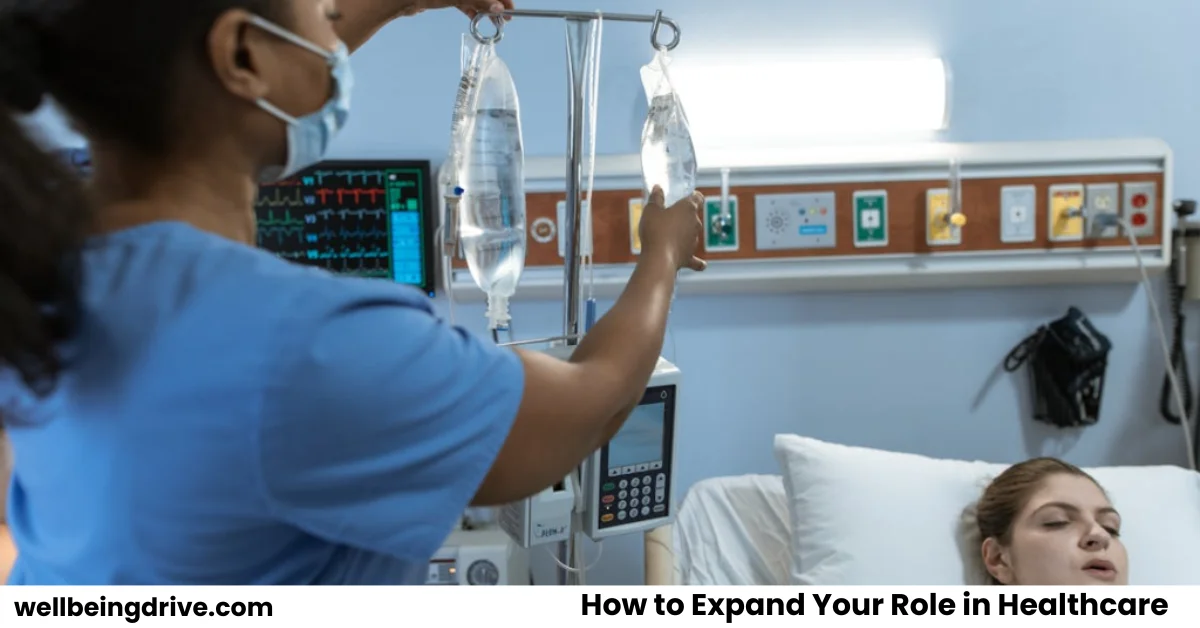
Nursing has always been at the heart of patient care, yet the profession offers far more than many people realize. Clinical work builds strong instincts, technical skill, and emotional resilience. Still, growth does not have to stop at the bedside. Healthcare systems continue to evolve, and nurses are uniquely positioned to grow alongside them. Expanded responsibilities, advanced credentials, and broader influence allow nurses to shape outcomes at multiple levels.
Career development in nursing begins with awareness. Many opportunities remain hidden simply because they are not discussed early enough. A thoughtful approach to professional growth makes the path clearer. Strategic education, leadership development, and specialization can elevate a nurse’s impact without losing the patient-centered focus that defines the profession.
Pursuing Advanced Clinical Practice
Advanced clinical roles allow nurses to deepen their expertise and practice with greater autonomy. Positions such as Nurse Practitioner, Clinical Nurse Specialist, Nurse Anesthetist, and Nurse Midwife demand rigorous preparation, yet they offer expanded responsibility and decision-making authority. A greater scope of practice means diagnosing conditions, prescribing treatment, and managing complex patient cases with confidence.
Commitment to advanced clinical practice strengthens professional credibility. Specialized training sharpens assessment skills and refines clinical judgment. Patients benefit from providers who understand both the technical and relational aspects of care. Healthcare teams also rely on advanced practice nurses to bridge communication gaps and improve coordination.
Investing in Graduate Education
Graduate education creates a broader platform for influence. Coursework strengthens analytical thinking and exposes nurses to healthcare systems at a structural level. Leadership theory, policy analysis, informatics, and advanced clinical training each open distinct professional pathways. Careful selection of a program aligned with your long-term goals makes a significant difference.
If you have a master in nursing careers in healthcare leadership, education, advanced practice, informatics, and policy become more accessible. Reputable healthcare organizations often support continuing education through tuition assistance programs, structured mentorship, and defined advancement pathways that encourage professional development.
Stepping Into Leadership and Management
Leadership roles allow nurses to influence care beyond individual patient interactions. Charge nurse responsibilities, unit coordination, and department management positions develop administrative competence alongside clinical expertise. Budget oversight, staffing models, and performance metrics become part of daily decision-making.
Effective leaders cultivate strong communication habits. Conflict resolution, delegation, and team motivation require emotional intelligence and clarity. Nurses who step into management gain insight into operational challenges that shape frontline care. This perspective strengthens collaboration between staff and executive leadership. Strategic involvement in committees and quality improvement initiatives builds confidence. Exposure to planning processes reveals how policies are formed and implemented.
Strengthening Clinical Specialization and Certification
Clinical specialization offers a focused way to expand your professional impact while remaining closely connected to patient care. Certifications in areas such as critical care, oncology, pediatrics, cardiac care, or emergency nursing demonstrate advanced competence and commitment to excellence. Healthcare organizations value nurses who pursue validated expertise because it directly improves patient outcomes.
Specialty certification deepens clinical knowledge and sharpens decision-making skills. Preparation for certification exams encourages review of best practices, updated guidelines, and emerging treatment protocols. That process alone enhances daily performance. Patients and colleagues recognize certified nurses as reliable resources within their units.
Engaging in Research and Evidence-Based Practice
Research involvement strengthens healthcare quality and accountability. Participation in clinical studies introduces nurses to structured inquiry and data analysis. Collaboration with interdisciplinary teams fosters a broader understanding of treatment effectiveness and patient outcomes.
Evidence-based practice ensures that care decisions rely on validated findings rather than habit. Nurses who engage with research remain current with emerging standards. Reviewing literature, implementing updated protocols, and evaluating outcomes contribute to measurable improvement. Professional conferences and journal publications extend the reach of research efforts. Sharing findings encourages dialogue and refinement. Healthcare advancement depends on practitioners willing to question assumptions and pursue better solutions.
Moving Into Healthcare Policy and Advocacy
Healthcare policy shapes everything from staffing ratios to patient access and reimbursement models. Nurses witness firsthand how regulations affect daily care delivery. That perspective carries weight when translated into advocacy. Engagement at the policy level allows nurses to influence decisions that extend far beyond individual facilities.
Professional nursing associations provide a practical starting point. Active membership opens opportunities to participate in policy discussions, attend legislative briefings, and contribute to position statements. Local and state boards also benefit from clinical insight when reviewing healthcare proposals. Clear communication becomes essential in advocacy work. Lawmakers and administrators respond to concise explanations grounded in patient outcomes and operational realities.
Launching Into Healthcare Entrepreneurship and Consulting
Entrepreneurship presents another avenue for nurses who want greater autonomy and broader influence. Clinical experience provides insight into gaps in care delivery, workflow inefficiencies, and patient education needs. Turning that insight into a service, product, or consulting practice allows nurses to shape solutions rather than simply adapt to existing systems.
Nurse consultants often collaborate with healthcare organizations, legal teams, or insurance providers. Their clinical background strengthens case evaluations, policy development, and risk management strategies. Independent consulting requires business knowledge, yet it offers flexibility and the opportunity to define your professional direction.
Building Professional Influence and Personal Brand
Professional growth extends beyond formal titles. Reputation, visibility, and credibility shape long-term opportunities. Nurses who cultivate a strong professional presence position themselves for leadership, speaking engagements, and collaborative projects.
Active networking plays a critical role. Industry conferences, professional organizations, and interdisciplinary meetings create connections that often lead to new possibilities. Thoughtful participation in discussions demonstrates expertise and commitment. Publishing articles, contributing to clinical blogs, or presenting at workshops reinforces authority. Sharing knowledge builds trust within the profession.
Nursing offers a wide spectrum of opportunities that extend far beyond traditional bedside roles. Advanced clinical practice, graduate education, leadership, education, research, policy involvement, specialization, and professional branding each provide distinct avenues for growth. Thoughtful planning allows these pathways to align with personal strengths and long-term goals.
Career expansion requires initiative. Deliberate learning, skill development, and strategic engagement open doors that might otherwise remain closed. Confidence grows through preparation and consistent effort. Healthcare systems benefit when nurses step into broader roles with clarity and purpose.
Disclaimer: WellbeingDrive provides health information for educational purposes only. Do not use this content as a substitute for professional medical advice. Consult your doctor before making health related decisions.