
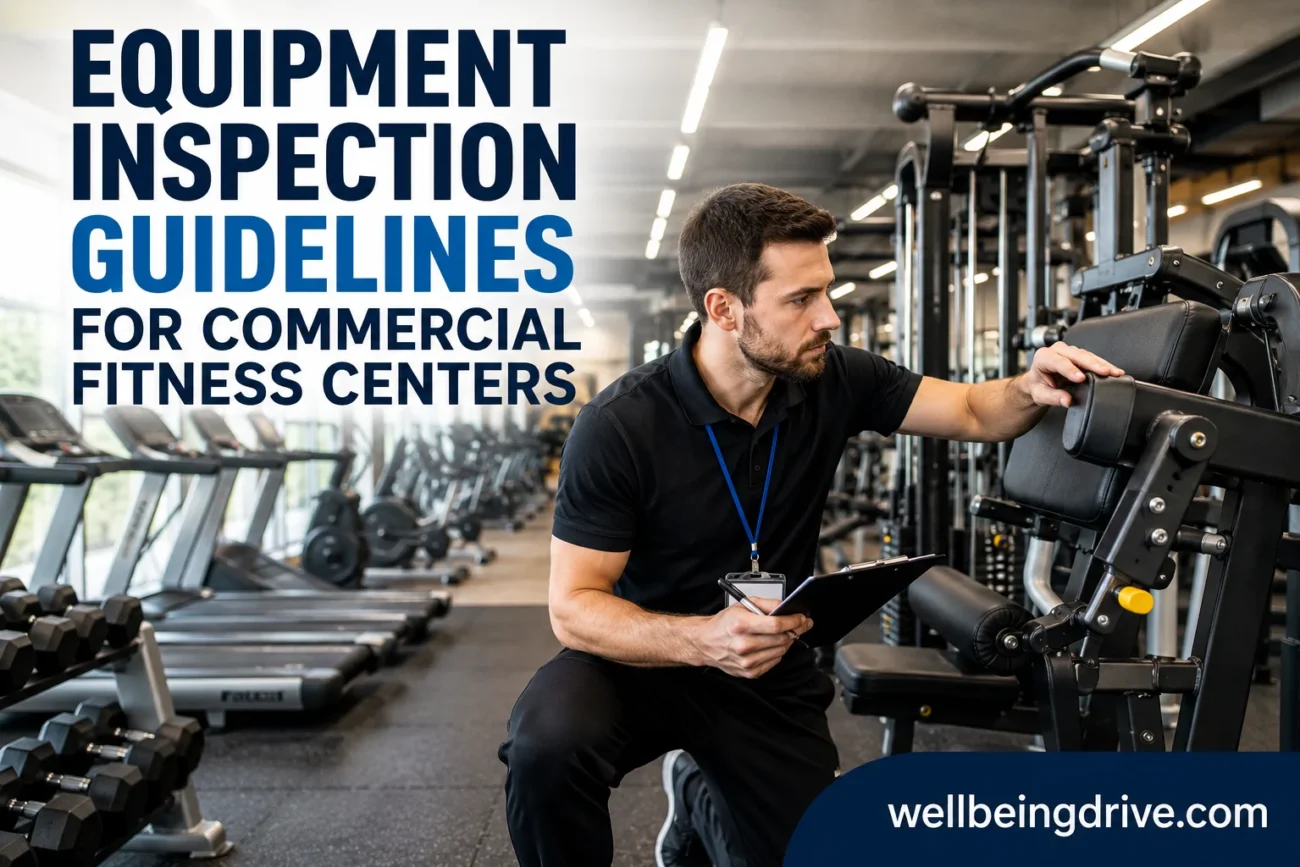
Maintaining a safe and efficient environment in commercial fitness centers requires more than just hiring knowledgeable staff and providing quality equipment. Regular equipment inspection is a fundamental aspect of operational excellence that ensures member safety, extends the lifespan of machines, and maintains the overall quality of the facility. A well-structured inspection program allows gyms to identify potential issues before they become serious problems, minimize downtime, and promote a reliable workout experience for patrons.
In this article, we will outline key guidelines for inspecting gym equipment, focusing on the essential elements that fitness managers and staff should monitor regularly. We will also discuss how different types of commercial exercise machines require specific attention to maintain their performance and safety.
Establishing a Routine Inspection Schedule
A systematic inspection schedule is the foundation of effective equipment management in a fitness center. Gym managers should develop a checklist for all types of equipment, including cardio machines, resistance training devices, free weights, and functional training gear. For instance, treadmills, ellipticals, and stationary bikes should be evaluated for electrical functionality, moving parts, and safety features such as emergency stop mechanisms. Strength machines and weight stacks require checks for smooth operation, proper alignment, and any signs of wear in cables, pulleys, or padding.
Using modern gym equipment solutions as an example, many contemporary devices are designed with built-in safety features and diagnostic indicators, which can simplify inspection procedures. Regardless of the equipment’s sophistication, however, manual verification of mechanical integrity, lubrication, and structural stability remains essential.
Key Areas to Inspect
When performing equipment inspections, staff should focus on several critical areas to ensure safety and functionality:
- Structural Integrity: Examine frames, joints, bolts, and welds for signs of rust, fatigue, or loosening. A compromised frame can lead to accidents or equipment failure.
- Moving Components: Check pulleys, cables, chains, bearings, and wheels for smooth operation. Listen for unusual noises that might indicate friction or misalignment.
- Wear and Tear on Surfaces: Pads, grips, and flooring surfaces should be inspected for cracks, tears, or uneven wear. These elements can affect both comfort and safety during workouts.
- Electrical Systems: For motorized machines, confirm that cords, plugs, and display panels are functioning correctly. Ensure emergency stops and other safety mechanisms operate as intended.
- Cleanliness and Hygiene: Although not strictly mechanical, clean and sanitized equipment prevents bacterial growth and maintains a professional appearance. Regularly disinfect surfaces and inspect for mold or residue build-up.
- Adjustment and Calibration: Machines with adjustable weights, incline settings, or resistance levels should be calibrated according to manufacturer recommendations. Misaligned or incorrectly calibrated equipment can pose injury risks.
Documentation and Record-Keeping
Keeping detailed records of inspections is essential for accountability and long-term maintenance planning. Each piece of equipment should have a log that notes inspection dates, findings, maintenance actions, and replacement schedules. Digital management tools can help centralize these records, track recurring issues, and generate reminders for preventive maintenance.
Documentation also plays a critical role in compliance with safety regulations and insurance requirements. In the event of an incident, thorough records can demonstrate that the gym maintained its equipment responsibly and followed standard safety protocols.
Staff Training and Responsibility
Even the most comprehensive inspection schedule is ineffective if staff members are not properly trained. Fitness centers should provide employees with clear guidance on identifying signs of wear, performing basic maintenance tasks, and understanding manufacturer recommendations.
Assigning responsibility is equally important. For example, certain staff members may be in charge of daily visual checks, while others conduct weekly mechanical inspections. A clear division of duties helps ensure that no aspect of equipment safety is overlooked.
Preventive Maintenance
Regular inspection is closely linked to preventive maintenance. Addressing minor issues before they escalate reduces repair costs, prevents unexpected downtime, and enhances the member experience. Preventive tasks may include lubricating moving parts, tightening bolts, replacing worn grips, and updating software on digital machines.
By implementing a preventive approach, gyms can extend the operational life of both traditional and advanced fitness equipment. It also promotes confidence among users, as they can rely on equipment that is consistently safe and functional.
Conclusion
Routine equipment inspection is a vital aspect of managing a commercial fitness center. By establishing a structured schedule, focusing on key areas such as structural integrity, moving components, electrical systems, and cleanliness, and maintaining detailed records, gym operators can ensure both safety and longevity of their assets. Staff training and clear responsibility assignments further enhance the effectiveness of inspection programs, while preventive maintenance helps avoid unexpected downtime and costly repairs.
Incorporating these guidelines supports a professional and reliable environment where members can exercise safely. Consistent attention to equipment, whether through detailed inspections or regular upkeep, ultimately contributes to the overall reputation and operational success of a fitness facility.
Disclaimer: WellbeingDrive provides health information for educational purposes only. Do not use this content as a substitute for professional medical advice. Consult your doctor before making health related decisions.