
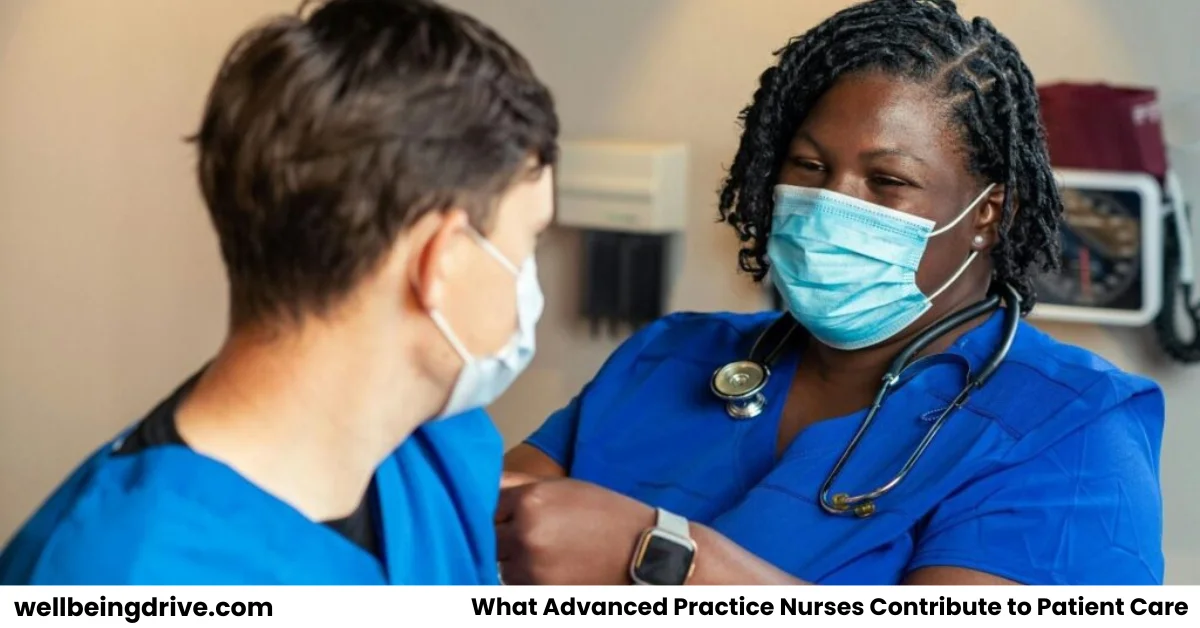
You can usually tell when a clinic is stretched thin. The waiting room fills early, phones keep ringing, and patients hesitate before asking another question because they can see how busy everyone is. It is rarely about effort or concern. There are simply more people needing care than the system easily supports.
Over the last decade, advanced practice nurses have stepped quietly into that gap. They manage patient visits, guide treatment plans, and handle ongoing health discussions. In many clinics and hospitals, their work has become part of the everyday structure that keeps patient care moving.
The Role Advanced Practice Nurses Play in Modern Care
Advanced practice nurses, often called APNs, complete additional education and clinical training beyond the registered nurse level. Their responsibilities may include diagnosing illnesses, ordering tests, managing treatments, and guiding patients through long-term care decisions.
As the demand for skilled healthcare professionals continues to grow, many healthcare facilities rely on a nurse staffing agency to ensure they have access to qualified advanced practice nurses when needed. These agencies provide a flexible solution for hospitals and clinics, offering both permanent and temporary staffing options to meet patient care demands. By partnering with a trusted staffing agency, healthcare organizations can ensure that they have the right expertise available to provide high-quality, patient-centered care at all times.
What often sets them apart is the way clinical authority blends with the patient-centered habits built during years of bedside nursing. Many spend extra time listening, asking follow-up questions, and explaining medical plans in language patients can actually understand. In healthcare systems where physician shortages are common, these providers help keep care accessible. Patients who might otherwise wait weeks for appointments are often able to receive evaluation and treatment sooner.
Looking Closer at Everyday Responsibilities in Primary Care
Primary care environments reveal the broad range of work handled by advanced practice nurses. In a typical clinic day, family nurse practitioner duties may include reviewing medical histories, evaluating symptoms, ordering diagnostic tests, prescribing medications, and creating care plans for chronic conditions such as diabetes or hypertension.
Much of the work also involves patient education. A large portion of modern healthcare revolves around helping people manage conditions over time rather than simply treating isolated illnesses. Conversations about diet, medication adherence, and lifestyle changes are often led by advanced practice providers. The role moves between clinical decision-making, preventive care, and long-term patient guidance, which is why these providers often become central figures in community health settings.
A Bridge Between Patients and Complex Systems
Healthcare systems are not easy for patients to navigate. Insurance rules change, referrals require paperwork, and medical information can be difficult to understand. Advanced practice nurses often find themselves acting as interpreters between the system and the patient.
This part of the job rarely appears in official job descriptions, yet it takes up a surprising amount of time. Patients bring concerns that extend beyond symptoms. They worry about medication costs, specialist appointments, or how a diagnosis will affect daily life.
Because many advanced practice nurses come from bedside nursing backgrounds, they tend to approach these conversations with patience. The goal is not only to treat illness but also to help patients make sense of what is happening to them. That ability to slow down and translate medical decisions into everyday language is something patients remember long after a clinic visit ends.
Preventive Care Is Becoming a Larger Focus
Modern healthcare increasingly revolves around prevention rather than crisis treatment. Catching health problems early reduces long-term costs and improves outcomes, but prevention requires consistent patient engagement. Advanced practice nurses often lead this effort. Routine screenings, wellness visits, and ongoing monitoring of chronic conditions fall squarely within their scope of practice.
During these appointments, the conversation may range widely. Blood pressure readings lead to discussions about stress levels or sleep habits. Questions about diet turn into broader conversations about daily routines. These interactions may appear small, yet they build the foundation of preventive care. Over time, they help patients develop a better understanding of their own health patterns.
Supporting Underserved Communities
Another important contribution appears in communities where healthcare access is limited. Rural areas and underserved urban neighborhoods often struggle to attract enough physicians to meet patient demand.
Advanced practice nurses help close that gap. Many community clinics rely heavily on these providers to deliver primary care services, manage chronic illness, and coordinate referrals when specialized treatment becomes necessary.
The presence of these professionals can significantly reduce barriers to care. Patients who might otherwise travel long distances for basic services are able to receive treatment within their own communities. This accessibility has become increasingly important as healthcare systems attempt to address disparities in care availability.
Collaboration Within Healthcare Teams
Although advanced practice nurses take on independent responsibilities, their work remains highly collaborative. Healthcare delivery depends on teams that include physicians, nurses, therapists, pharmacists, and administrative staff.
Communication becomes essential in these environments. Patient information must be shared clearly so that treatment plans remain consistent across multiple providers.
Advanced practice nurses often act as connectors inside these teams. Because their training includes both nursing and clinical decision-making perspectives, they are well-positioned to coordinate care between different specialties. This role helps maintain continuity for patients who move between primary care clinics, specialists, and hospital settings.
Technology and Changing Patient Expectations
Patient expectations have shifted alongside advances in technology. Online appointment scheduling, telehealth visits, and electronic health records have changed how people interact with healthcare providers.
Advanced practice nurses have adapted to these tools quickly. Many now conduct virtual consultations, review remote monitoring data, and communicate with patients through secure messaging platforms.
These changes allow care to extend beyond the physical clinic. A patient managing a chronic condition may send updates about symptoms or medication side effects without scheduling a traditional appointment. While technology cannot replace in-person evaluation entirely, it expands the ways providers stay connected with patients over time.
The Quiet Impact on Everyday Healthcare
The influence of advanced practice nurses often goes unnoticed by the public because it blends into the daily rhythm of healthcare settings. Clinics run more smoothly, patient questions receive thoughtful answers, and treatment plans move forward without unnecessary delays.
Their work sits at the intersection of clinical expertise and patient advocacy. They diagnose conditions, prescribe treatments, and manage complex cases, yet they also listen carefully to concerns that may fall outside strict medical categories.
Healthcare systems continue to evolve, and workforce shortages remain a persistent challenge. Within that landscape, advanced practice nurses provide stability.
Patients may not always recognize the structural role these professionals play, but the effects appear in shorter wait times, clearer communication, and more accessible care. In many communities, that quiet contribution has become an essential part of modern healthcare delivery.
Disclaimer: WellbeingDrive provides health information for educational purposes only. Do not use this content as a substitute for professional medical advice. Consult your doctor before making health related decisions.