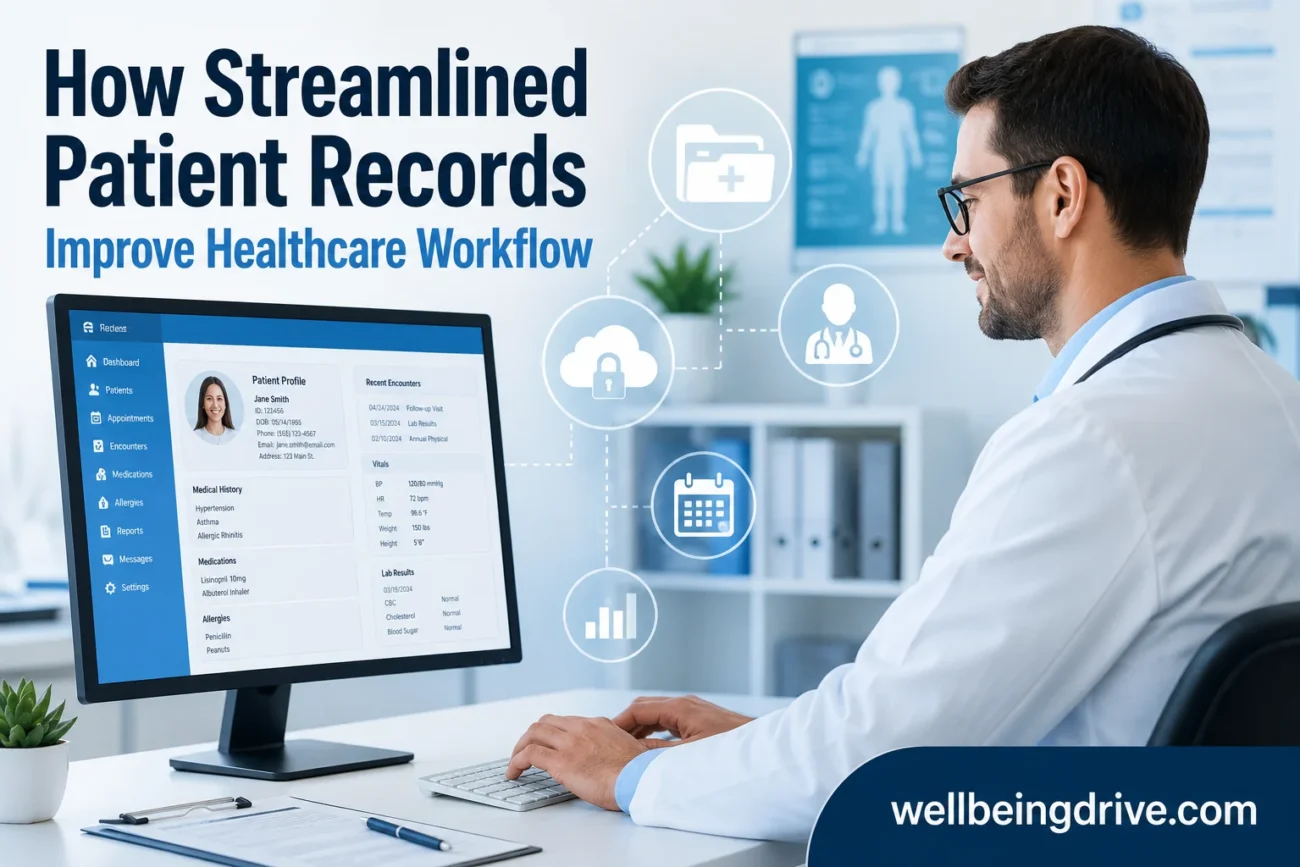
Working in healthcare is no easy feat. Between managing a busy schedule, keeping up with patient needs, and dealing with mountains of paperwork, it often feels like you’re juggling a million things at once. But what if there was a way to make all of this smoother and more efficient? The solution could lie in how you handle your patient records.
Streamlined patient records aren’t just about getting rid of paper—they can completely transform your practice, saving you time, reducing stress, and improving the care you provide. Let’s dive into how digital records can help you enhance your workflow and offer better service to your patients.
1. The Benefits of Streamlined Patient Records
You’ve probably heard the term “streamlined” thrown around, but what does it actually mean in the context of patient records? Simply put, it’s all about making the process of storing and accessing patient information quicker and more efficient. Moving from paper to digital records doesn’t just save space—it can completely change the way you work.
Increased Efficiency
First and foremost, going digital saves you time. Think about it—no more flipping through file folders or trying to read messy handwriting on paper records. With a digital system, everything you need is at your fingertips in an instant. Whether you’re looking for a patient’s medical history, lab results, or previous treatment notes, it’s all available with just a few clicks. Imagine how much time that can free up in your day.
Improved Accuracy
One of the biggest benefits of moving to digital records is accuracy. We all know that human error can creep in, especially when dealing with handwritten forms or manually entered data. Typos, missed details, and confusion can lead to mistakes that affect patient care. But with a streamlined digital system, these errors are greatly reduced. Most modern systems also come with built-in checks to ensure everything adds up, keeping your data more reliable.
Real-Time Access
Another major advantage? Real-time access to patient records. Gone are the days of waiting for a file to be pulled from a drawer or waiting for a fax to come through. With a digital system, you can instantly pull up the necessary information, whether you’re in the office, on the phone with a patient, or even at home. This access makes it easier to make quick, informed decisions—helping you deliver better care on the spot.
2. Reducing Administrative Burden
It’s no secret that healthcare professionals spend a lot of time on administrative tasks—scheduling, billing, charting, and the like. While these tasks are necessary, they’re often time-consuming and tedious. But by streamlining your patient records, you can eliminate a lot of the manual labor that comes with paper forms.
Automation of Routine Tasks
The beauty of digital systems is the ability to automate a lot of the repetitive tasks that drain your time. Things like appointment scheduling, billing, and even prescription management can be automated, leaving you with more time to focus on what really matters: patient care. This doesn’t just make your practice run more smoothly—it also helps reduce the risk of errors in billing and scheduling.
Less Time Spent on Documentation
For most healthcare providers, documentation takes up a huge chunk of their time. Whether it’s writing notes after every patient visit or updating treatment plans, it can feel like the paperwork never ends. But with digital systems, you can streamline this process. You don’t have to spend as much time writing or retyping information. With tools like voice recognition or templates, updating patient records can be done in a fraction of the time, so you can spend more time with your patients.
3. Improved Collaboration Between Care Providers
Good healthcare is a team effort. It’s not just about one provider doing their job—it’s about everyone involved in a patient’s care working together. That’s where streamlined records come in.
Enhanced Communication
When your patient records are all stored digitally, sharing information between providers becomes a breeze. Instead of trying to track down a fax or waiting for someone to dig up a paper chart, digital systems allow you to instantly share information with your colleagues. Whether it’s between departments or even across different locations, everyone has access to the same up-to-date patient data. This seamless communication means that your team can work together more effectively to provide the best care possible.
Integrated Care
Having all patient records in one place also makes it easier to coordinate care, particularly when multiple providers are involved. For example, if a patient is referred to a specialist, having their full medical history at the touch of a button makes the transition much smoother. No more waiting for records to be transferred or trying to piece together a patient’s story. Everything is already there—integrated and easy to access.
4. Better Patient Outcomes and Satisfaction
At the end of the day, everything you do in healthcare boils down to one thing: your patients. Streamlined records can improve their experience in countless ways, ultimately leading to better outcomes and higher satisfaction.
Faster Decision-Making
Having immediate access to a patient’s complete history means you can make quicker, more accurate decisions. Instead of waiting for a colleague to track down lab results or waiting for a fax to arrive, you can get all the information you need right away. This allows you to make timely decisions about treatment, which can be crucial for the patient’s health.
Reduced Waiting Times
With streamlined records, patients don’t have to wait as long for you to access their information. Whether it’s during a visit, a follow-up call, or a telehealth consultation, digital records help speed up the process. And in healthcare, where time is often of the essence, reducing wait times can make a huge difference in patient satisfaction.
Empowering Patients
More than just improving your workflow, digital systems also empower patients. Many modern systems allow patients to access their own medical records through online portals. This gives them the ability to track their health, view lab results, and even communicate directly with their healthcare providers. It’s a step toward greater transparency and trust in the patient-provider relationship, which leads to better overall care.
5. Supporting Telemedicine and Remote Care
Telemedicine has become a major part of healthcare, especially over the past few years. It’s great for providing care remotely, but it also presents a challenge: how do you make sure you have all the information you need for a successful virtual consultation?
This is where EHR for telemedicine really comes into play. By having a streamlined, digital record system, you can access a patient’s medical history, lab results, and other important details during remote consultations. This ensures that you’re providing the same high level of care that you would during an in-person visit. Whether you’re consulting with a patient in another state or simply conducting a follow-up visit from your office, digital records allow you to offer consistent and thorough care, no matter the distance.
6. The Role of Technology in Modernizing Healthcare Practices
Healthcare is changing rapidly, and technology is driving much of that change. From telemedicine to cloud-based systems, new tools are making it easier to offer better care to patients. Streamlining patient records is one part of this modernization, but it’s an important one.
By embracing these technologies, you can ensure that your practice stays competitive, efficient, and prepared for the future. Whether it’s through better data management or more seamless communication with patients and colleagues, the benefits of modernizing your systems are clear.
Conclusion
Streamlining patient records isn’t just a nice-to-have—it’s a must for any modern healthcare practice. By moving away from paper and adopting digital systems, you can reduce inefficiencies, improve patient care, and ultimately make your practice more effective and enjoyable to run. Whether it’s by reducing the time you spend on documentation, improving accuracy, or providing better remote care, the advantages are undeniable.
As healthcare continues to move into the future, adopting tools like EHR will only make your practice more adaptable and prepared for whatever comes next. So, why not take the leap today? Your patients—and your workflow—will thank you.
Disclaimer: WellbeingDrive provides health information for educational purposes only. Do not use this content as a substitute for professional medical advice. Consult your doctor before making health related decisions.