
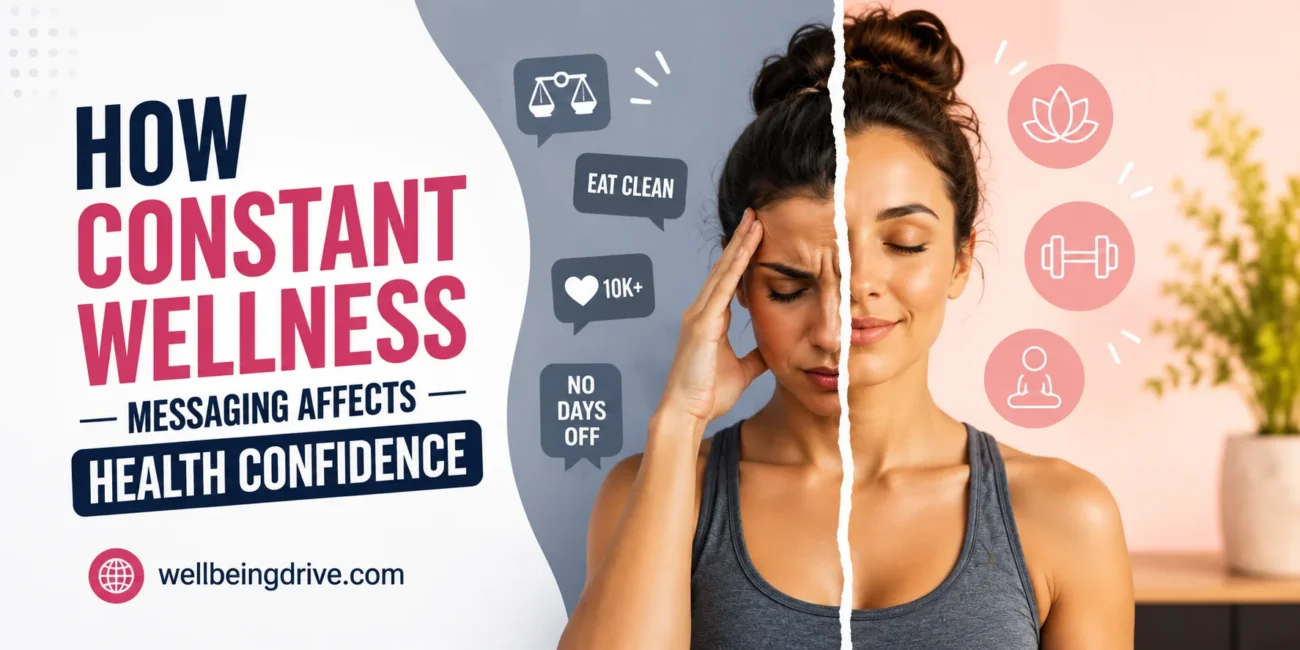
Open any app for five minutes and suddenly somebody is warning against seed oils, another person is tracking glucose levels after eating fruit, and somebody else claims waking up at 4:45 a.m. changed their life. A podcast insists your entire mood depends on minerals you have apparently been ignoring for years. Wellness messaging now follows people everywhere so aggressively that ordinary routines start feeling suspicious for no real reason. A regular breakfast becomes something to analyze. Feeling tired after work somehow turns into a sign of personal failure instead of basic human exhaustion.
This nonstop stream of advice is affecting confidence more than people admit openly. A lot of adults no longer trust simple decisions because there is always another expert, influencer, or ad suggesting they are doing something wrong.
Simpler Wellness Brands
One reason simpler wellness brands are gaining attention is that people are mentally exhausted from turning every daily choice into a research project. Buying toothpaste should not require comparing forty ingredient breakdown videos first. Choosing cleaning products should not feel like studying for an exam. A lot of consumers quietly miss the feeling of making ordinary decisions without spiraling into endless health debates afterward.
This exhaustion changed the kind of wellness companies people trust. Brands centered entirely around dramatic transformation language often feel overwhelming now because consumers already spend all day surrounded by pressure. Simpler wellness companies feel appealing partly because they reduce decision fatigue instead of adding to it. Broader product ecosystems tied to everyday routines create a sense of stability that many people feel they have lost online. That’s partly why many consumers are becoming more interested in companies like Melaleuca: The Wellness Company, where broader lifestyle focused product variety feels connected to practical everyday living instead of extreme optimization culture. Wellness starts feeling manageable again instead of becoming another nonstop performance review happening inside somebody’s own head.
Questioning Daily Habits
Constant wellness messaging created this strange atmosphere where completely normal habits suddenly feel questionable. Somebody drinks coffee and immediately sees three videos explaining why caffeine destroys sleep. Somebody enjoys dessert and instantly scrolls past warnings about sugar spikes. Even resting can start feeling unproductive once wellness culture keeps connecting health to optimization every hour of the day.
This constant correction slowly chips away at confidence in ordinary life. Adults start second-guessing routines they followed comfortably for years because the digital wellness culture rewards hyper-analysis constantly. A person can leave a grocery store feeling fine and then spend the next hour online wondering whether half the items they bought are secretly ruining their health somehow.
Social Media Wellness Trends
Social media changed wellness into entertainment, and honestly, that created a lot of confusion. Health advice now competes for attention using aesthetics, shock value, dramatic claims, and algorithm-friendly fear instead of calm, realistic conversation. Somebody films a “perfect” morning routine with supplements lined up beside glowing smoothies, while another creator warns that half the food in your kitchen is dangerous. The result is a constant emotional tug of war disguised as wellness content.
After enough exposure, ordinary health confidence starts slipping quietly. People compare themselves against unrealistic routines they were never supposed to maintain in the first place. A normal day suddenly feels unhealthy simply because it does not resemble polished online wellness culture. Social media turned wellness into something visually performative, which makes regular balanced habits seem boring, even though boring routines are usually the most sustainable ones long term.
Pulling Away from Optimization Culture
A noticeable transition is happening where many adults are stepping back from aggressive optimization culture altogether. Constant improvement sounds productive in theory, yet in practice, it often leaves people feeling like they are permanently behind. There is always another habit to improve, another supplement to buy, another productivity routine to master, another wellness trend supposedly changing everyone else’s life.
This endless pressure eventually becomes exhausting. To pull away from this, try to:
- Stop treating every routine like a self-improvement project that needs constant upgrading
- Unfollow wellness creators who make ordinary habits feel unhealthy or inadequate
- Build routines around consistency instead of perfection or intensity
- Allow meals, workouts, and rest days to exist without overanalyzing every detail
- Avoid stacking too many wellness goals at the same time, just because they are trending online
- Choose habits that realistically fit your actual schedule instead of fantasy productivity routines
- Let hobbies stay enjoyable, like painting, without turning them into performance metrics or optimization tools
- Spend less time tracking every physical or mental data point throughout the day
Wellness Marketing Saturation
Wellness marketing became so loud that many consumers now struggle to separate actual helpful information from constant advertising disguised as concern. Nearly every product category somehow connects itself to health now. Water bottles promise productivity. Mattresses promise emotional balance. Snacks promise focus. Cleaning products promise lifestyle transformation. At a certain point, wellness stopped feeling supportive and started sounding like an endless sales pitch attached to every ordinary purchase.
Such a level of saturation affects confidence because people begin questioning whether they are “missing” something constantly. Consumers scroll through enough targeted wellness ads and eventually start feeling like basic routines are incomplete without specialized products attached to them. A normal grocery trip suddenly feels full of hidden judgment. Even self-care becomes transactional after enough exposure to messaging insisting better health always sits one purchase away. Many adults are stepping back partly because they are tired of being marketed to emotionally all day under the label of wellness.
Information Heavy Digital Spaces
Digital spaces have completely changed how people experience health conversations because information never really stops anymore. Years ago, wellness advice arrived occasionally through magazines, doctors, television segments, or maybe a book somebody recommended. Now wellness content follows people during lunch breaks, before bed, while commuting, and even while relaxing online after work.
This constant exposure makes confidence harder to hold onto because opinions collide nonstop. One creator recommends fasting while another warns against it completely. Somebody praises high-protein diets, while another pushes plant-based eating aggressively. After enough conflicting information, many adults stop feeling confident in simple decisions because every habit appears debatable somewhere online. Too much information, ironically, creates more uncertainty for many people instead of creating clarity.
Productivity-Based Wellness Messaging
Wellness messaging increasingly suggests every habit should help somebody wake earlier, focus harder, work longer, stay energized constantly, or maximize output throughout the day. Rest itself sometimes gets framed like another performance strategy instead of a normal human need.
This pressure changes how people view themselves physically and mentally. Feeling tired starts carrying guilt attached to it. Slow mornings feel unproductive instead of restorative. Even hobbies sometimes become “recovery tools” measured for efficiency rather than enjoyment. Wellness slowly merged with hustle culture in ways that made many adults feel like they constantly need to optimize themselves instead of simply existing comfortably. The emotional weight of that mindset builds quietly over time.
Constant wellness messaging is changing everyday health confidence because people are absorbing advice, warnings, comparisons, and optimization pressure almost nonstop through digital spaces. What once felt like simple daily living now often feels tied to self-evaluation and correction.
Disclaimer: WellbeingDrive provides health information for educational purposes only. Do not use this content as a substitute for professional medical advice. Consult your doctor before making health related decisions.