
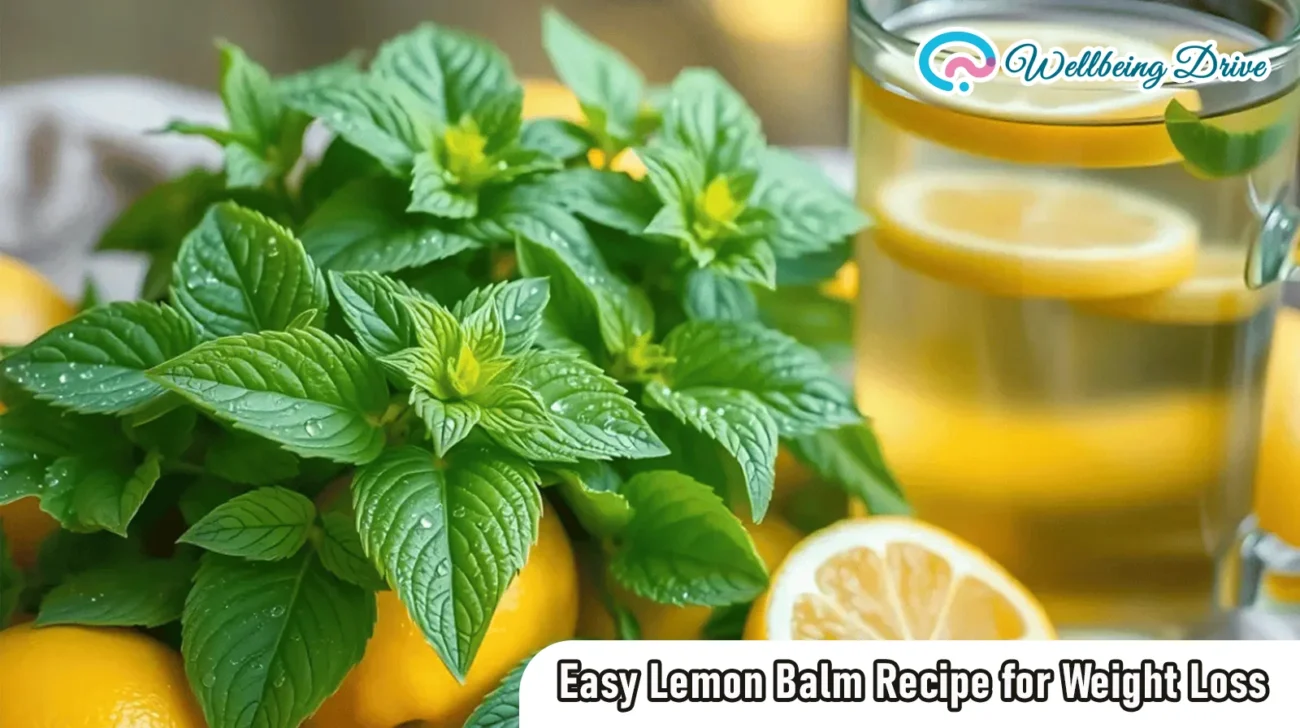
Lemon Balm Recipe for Weight Loss: What the Herb Actually Does and How to Use It
Lemon balm has been used medicinally for over two thousand years. Its role in weight loss is indirect, specific, and genuinely supported by emerging research. Here is what it does, what it does not do, and the best ways to prepare it.
Walk into any health food shop and you will find lemon balm in teas, tinctures, capsules, and sleep blends. It has been growing in European herb gardens since at least the Middle Ages, primarily valued as a remedy for anxiety, poor sleep, and digestive complaints. The weight loss conversation around it is newer, driven partly by research into cortisol, stress eating, and metabolic health published over the past few years.
Before reaching for the kettle, it helps to understand what lemon balm actually is, because there is significant confusion online between lemon balm the herb and lemon-based drinks. The two are not the same, and only one of them has a credible evidence base worth discussing.
What Lemon Balm Actually Is
Lemon balm, known botanically as Melissa officinalis, is a perennial herb in the mint family. Its leaves have a mild lemon scent and flavour, which is where the name comes from, but it contains no lemon juice, citric acid, or lemon-derived compounds. It is a distinct plant with its own unique chemical profile.
The active compounds most studied for their health effects include rosmarinic acid, flavonoids, and volatile oils including citronellal and geranial. These compounds interact primarily with the GABAergic system in the brain, which governs feelings of calm and relaxation. Rosmarinic acid in particular has demonstrated antioxidant and anti-inflammatory properties in cell and animal studies.
Many recipes online labelled as “lemon balm for weight loss” are simply lemon juice, ginger, and water with no lemon balm herb involved at all. These drinks have their own merits, but they are not lemon balm preparations and should not be confused with them. Genuine lemon balm recipes use the dried or fresh leaves of Melissa officinalis, either steeped as a tea or blended into other preparations.
How Lemon Balm Supports Weight Loss
Lemon balm does not burn fat. That needs to be stated clearly before anything else. What it does is address several physiological factors that are closely linked to weight gain and difficulty losing weight, particularly in people whose eating habits are influenced by stress, poor sleep, or digestive discomfort.
Cortisol and Stress-Related Eating
Chronic stress keeps cortisol elevated, and elevated cortisol is directly linked to visceral fat accumulation, particularly around the abdomen. High cortisol also disrupts the hunger hormones ghrelin and leptin, increasing cravings for calorie-dense, high-sugar comfort foods.
A 2024 review found that lemon balm reduces anxiety by increasing GABA, a calming neurotransmitter that reduces nervous system activity. For people whose overeating is driven by stress rather than physical hunger, this is the most practical weight-relevant benefit lemon balm offers. Managing stress and its physiological effects is a meaningful part of any long-term weight management approach. For those exploring broader stress management strategies, understanding how magnesium supports the nervous system and cortisol regulation provides useful additional context.
Sleep Quality and Hunger Hormones
Poor sleep directly increases ghrelin, the hormone that signals hunger, and decreases leptin, the hormone that signals fullness. Even one night of inadequate sleep measurably increases next-day calorie intake in research subjects.
Research also consistently links lemon balm to improved sleep quality. A 2019 clinical trial in 80 post-surgical patients found that lemon balm extract improved sleep quality in 54 percent of participants. Better sleep means better hunger hormone regulation, which means more reliable appetite control throughout the day.
Digestive Health and Bloating
Lemon balm has carminative properties, meaning it helps relax smooth muscle in the digestive tract and ease gas and bloating. Bloating is not the same as fat, but the discomfort and visible distension it causes lead many people to believe they are not making progress when they are.
Reduced bloating also supports more consistent eating patterns by removing a common source of digestive discomfort that disrupts appetite and energy. For those dealing with recurrent digestive discomfort alongside weight management efforts, understanding what causes digestive irritation and how to manage it covers the broader picture.
Blood Lipids and Metabolic Markers
A 2024 meta-analysis found that daily lemon balm extract taken for at least eight weeks significantly reduced total cholesterol, triglycerides, and LDL cholesterol. These improvements in metabolic markers suggest meaningful systemic benefit, even without direct fat-burning effects.
What Lemon Balm Cannot Do
Being honest about limitations is part of giving useful advice. Scientific evidence does not support the claim that lemon balm directly boosts metabolism, suppresses physical appetite, or burns fat in any meaningful way.
It does not have a thermogenic effect like caffeine or EGCG. It does not physically reduce stomach capacity or block nutrient absorption. Its appetite-relevant effects are cognitive and hormonal, operating through stress reduction rather than any direct satiety mechanism.
There is no clinical evidence to suggest lemon balm burns fat or boosts metabolic rate in a way that leads to significant weight reduction on its own. Its value lies in reducing stress-induced cortisol, improving sleep, and modestly regulating blood sugar and lipid profiles.
Summary of peer-reviewed research on Melissa officinalis and weight management, 2024–2026Research reviewed in the AARM botanical monograph on lemon balm confirms that Melissa extracts interfere with TSH binding to thyroid receptors, which can reduce thyroid hormone output. For people with hypothyroidism or those taking thyroid medication, this is a meaningful concern. Reduced thyroid activity can slow metabolism, potentially counteracting weight loss efforts. Anyone managing a thyroid condition should consult their doctor before using lemon balm regularly. This also applies to anyone who has noticed unexplained fatigue, cold sensitivity, or unexplained weight gain alongside stress symptoms.
Lemon Balm Recipes for Weight Loss
The most practical and evidence-aligned way to use lemon balm for weight loss support is as a tea. It can also be incorporated into water infusions, smoothies, and blended drinks. Each preparation below uses actual lemon balm leaves and is designed around the timing and dosage most relevant to its intended benefit.
Recipe 1: Classic Lemon Balm Tea
The simplest and most effective preparation. Best used in the evening to support sleep quality and cortisol reduction before bed.
| Ingredient | Amount | Notes |
|---|---|---|
| Fresh lemon balm leaves | 8 to 10 leaves | Or 1 to 2 teaspoons of dried lemon balm |
| Hot water | 250ml (1 cup) | Just off the boil, around 90 degrees Celsius |
| Raw honey | 1 teaspoon (optional) | Omit if managing blood sugar closely |
| Lemon slice | 1 slice (optional) | Adds flavour, not required for the herb’s benefits |
Method: Place fresh or dried lemon balm leaves in a cup or teapot. Pour hot water over the leaves and cover immediately to trap volatile compounds. Steep for 5 to 10 minutes. Strain, add honey if using, and drink 30 to 60 minutes before sleep.
Recipe 2: Lemon Balm and Ginger Digestive Blend
This combination targets both the stress-cortisol pathway and digestive discomfort. Ginger adds mild thermogenic properties and supports gut motility. Best used after meals or when bloating is a concern.
| Ingredient | Amount | Notes |
|---|---|---|
| Fresh lemon balm leaves | 8 leaves | Or 1 teaspoon dried |
| Fresh ginger | 1 inch piece, sliced thin | Do not grate — slices steep more gently |
| Hot water | 300ml | Just off the boil |
| Apple cider vinegar | 1 teaspoon (optional) | Adds mild digestive support. Skip if sensitive to acidity. |
Method: Add lemon balm and ginger slices to a cup. Pour hot water over, cover, and steep for 7 minutes. Strain and add apple cider vinegar after steeping if using. Drink after meals, particularly after the largest meal of the day.
Recipe 3: Lemon Balm Cold Infusion
A refreshing daytime option that replaces calorie-containing beverages like juice or sweetened drinks. The cold infusion method preserves delicate aromatic compounds that can be partially destroyed by boiling water.
| Ingredient | Amount | Notes |
|---|---|---|
| Fresh lemon balm leaves | Large handful (15 to 20 leaves) | Lightly bruised to release oils |
| Cold filtered water | 1 litre | Room temperature or chilled |
| Cucumber slices | 4 to 6 slices (optional) | Adds a cooling flavour, no caloric impact |
| Mint leaves | Small handful (optional) | Pairs well with lemon balm, enhances digestive benefits |
Method: Lightly bruise the lemon balm leaves by pressing them between your palms. Add to a glass jug with cold water and optional additions. Refrigerate for a minimum of four hours or overnight. Strain and drink throughout the day as a zero-calorie alternative to sweetened beverages. Replacing high-calorie drinks is itself a meaningful dietary change and one of the most practical applications of lemon balm for weight management. For those building a broader approach to healthy eating alongside herbal additions, a practical guide to simplifying healthy food choices offers a complementary starting point.
Best Time to Drink Lemon Balm Tea
Timing matters because lemon balm’s relevant benefits are not uniform throughout the day. Its two primary effects — calming the nervous system and supporting sleep — are most useful at specific times.
Who Should Be Cautious
Lemon balm is generally well-tolerated by healthy adults. However, several groups should exercise caution or consult a healthcare provider before using it regularly.
People with Thyroid Conditions
As noted earlier, lemon balm may inhibit thyroid hormone activity. Anyone with hypothyroidism, Hashimoto’s thyroiditis, or who is taking levothyroxine or other thyroid medications should speak to their doctor before adding regular lemon balm use to their routine.
People Taking Sedative or CNS Medications
Because lemon balm has a calming effect on the nervous system, it can amplify the effects of sedative medications, sleeping pills, anti-anxiety drugs, and certain antidepressants. This combination may produce excessive drowsiness or interfere with medication dosing.
Pregnant and Breastfeeding Women
There is insufficient clinical data to confirm safety during pregnancy or breastfeeding. While lemon balm has a long history of traditional use, medical guidance recommends caution with any herbal preparation during these periods. Consultation with a midwife or obstetrician is advised.
Final Thoughts
Lemon balm is not a shortcut to weight loss. Any source suggesting otherwise is overstating what the evidence supports. What it is, reliably and usefully, is a calming herb with a credible mechanism for addressing two specific weight-relevant problems: stress-driven eating and poor sleep.
For people whose relationship with food is significantly influenced by stress, anxiety, or emotional eating, incorporating lemon balm tea into a daily routine is a low-cost, low-risk, and increasingly evidence-backed approach. It works best as part of a broader framework that includes balanced eating and regular movement, not as a substitute for either.
The three recipes above offer practical starting points across different use cases: evening sleep support, post-meal digestive relief, and daytime hydration. Start with the evening tea, give it two to four weeks of consistent use, and pay attention to whether sleep quality and stress-related cravings shift. Those are the outcomes lemon balm can realistically influence, and they are worth having.
Medical Disclaimer: This article is for informational purposes only and does not constitute medical advice. Lemon balm may interact with certain medications and is not appropriate for everyone. Anyone with a medical condition, thyroid disorder, or who is pregnant should consult a qualified healthcare provider before using lemon balm regularly. Do not use herbal preparations as a substitute for medical treatment.
Frequently Asked Questions
Yes. Lemon balm is widely available in capsule and extract form. Most research studies used standardised extracts at 300mg to 600mg per day, which is more concentrated than a typical cup of tea. Supplements offer a consistent dose but lack the hydration benefit and calming ritual that tea provides. Either form can be effective depending on your preference and lifestyle.
One to three cups per day is a practical and well-tolerated range. One cup in the evening 30 to 60 minutes before sleep is the most evidence-aligned timing. A morning cup can be added for daytime stress management. Very high intake is unnecessary and may cause drowsiness in sensitive individuals. There is no established upper limit, but moderation is sensible with any herbal preparation.
Yes. Lemon balm can interact with sedative medications, central nervous system depressants, and thyroid medications. It may amplify the effects of sleep aids and anti-anxiety drugs, and may reduce thyroid hormone activity. Anyone taking medications for anxiety, insomnia, thyroid conditions, or other chronic conditions should consult a doctor or pharmacist before using lemon balm regularly.
The safety of lemon balm during pregnancy has not been established in clinical trials. While it has a long history of traditional use, medical guidance consistently recommends caution with herbal preparations during pregnancy. Pregnant women should consult their midwife or obstetrician before consuming lemon balm tea regularly.
Both are effective. Fresh leaves produce a brighter flavour and preserve volatile compounds that may be partially lost in drying. Dried lemon balm is more concentrated and practical year-round. Use approximately three times the amount of fresh leaves when a recipe specifies dried. Either form provides the rosmarinic acid and flavonoids associated with lemon balm’s calming properties.
Improved sleep quality is typically noticed within one to two weeks of consistent evening use. Reduction in stress-related cravings is usually reported over two to four weeks. The metabolic improvements found in clinical research, including reduced cholesterol and triglycerides, required a minimum of eight weeks of daily use. Realistic expectations focus on gradual support for better habits rather than rapid change.
Lemon balm is sometimes used in small amounts for children to support calm and sleep, and it has a long history of traditional use for this purpose. However, clinical data on dosing and safety specifically in children is limited. Any herbal preparation for a child should be discussed with a paediatrician first. Avoid adding honey for children under one year of age due to infant botulism risk.
Disclaimer: WellbeingDrive provides health information for educational purposes only. Do not use this content as a substitute for professional medical advice. Consult your doctor before making health related decisions.