
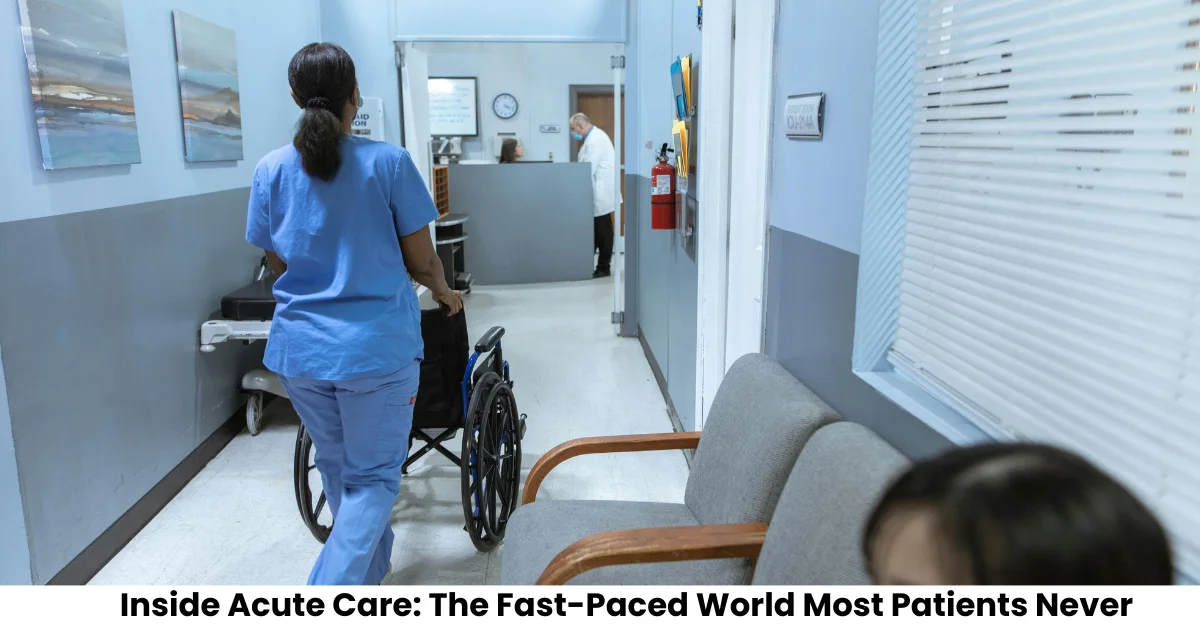
Hospitals across Kentucky are feeling steady pressure as more people seek urgent care for serious conditions, especially in communities with aging populations and limited access to routine services. While patients may only see a brief moment of treatment, a much more intense process unfolds behind the scenes. Acute care is where some of the most critical decisions in healthcare happen, often within minutes. It is fast, focused, and requires constant attention. Many people do not fully understand what goes on in these units until they need them. This article takes a closer look at how acute care really works, who is involved, and why it plays such a key role in modern healthcare.
Understanding What Acute Care Involves
Acute care focuses on treating patients who need immediate and short-term medical attention for serious conditions. This includes sudden illnesses, injuries, or worsening chronic issues that cannot wait for routine care. You will find acute care in places like emergency rooms, intensive care units, and trauma centers. The goal is simple: stabilize the patient and manage the condition as quickly as possible. Unlike primary care, which focuses on long-term health, acute care deals with urgent problems that require quick action. Patients often arrive without warning, and their needs can change within minutes. This makes the environment highly active and demanding for healthcare professionals like nurses who must stay alert at all times. Nurses in these settings often take on complex roles, from monitoring critical patients to making quick clinical decisions. To prepare for these responsibilities, many pursue online AGACNP programs, such as the one offered by Northern Kentucky University, which is designed to support working nurses through flexible online learning while building advanced clinical and decision-making skills for acute care settings.
The First Moments That Shape Outcomes
The first few minutes after a patient arrives in acute care are critical. Healthcare teams quickly assess the patient’s condition through a process called triage. They decide who needs immediate attention and who can safely wait. This step requires sharp judgment and clear thinking under pressure. Once the patient is prioritized, the team begins stabilizing vital signs and identifying the main issue. Early actions often influence how well the patient recovers. Delays or missteps can lead to complications. Because of this, acute care professionals train to act quickly without losing accuracy. Their ability to stay focused during these early moments plays a major role in patient outcomes.
Skills That Define Acute Care Professionals
Working in acute care requires more than medical knowledge. Professionals need strong decision-making skills and the ability to stay calm in stressful situations. They must notice small changes in a patient’s condition and respond quickly. Attention to detail is important, but so is the ability to act without hesitation when needed. Emotional control also plays a key role, as the environment can be intense. At the same time, providers must remain compassionate and communicate clearly with patients and families. These skills take time to develop through training and real-world experience. Over time, they help healthcare workers deliver care that is both efficient and patient-focused.
The Emotional Weight Behind Every Shift
Acute care is not only physically demanding but also emotionally intense. Healthcare workers often deal with serious illness, sudden decline, and difficult outcomes. They may care for multiple critical patients in a single shift while supporting worried families. This constant exposure to high-stress situations can take a toll over time. Many professionals learn ways to manage stress, such as debriefing with colleagues or taking short mental breaks when possible. Support from the workplace also matters. Even in fast-moving environments, compassion remains important. Patients and families look to providers for reassurance during uncertain moments. Balancing emotional awareness with clinical focus is a key part of working in acute care.
Technology That Supports Critical Decisions
Modern acute care relies heavily on technology to guide treatment. Monitoring systems track heart rate, oxygen levels, and other vital signs in real time. Imaging tools and lab tests help identify the cause of a patient’s condition quickly. These tools allow healthcare teams to make informed decisions without delay. Electronic health records also play a role by giving providers access to patient history and medications. However, technology does not replace human judgment. Providers must interpret the data correctly and act on it. When used well, these tools improve accuracy and speed in care. They help teams respond faster while maintaining a clear picture of the patient’s condition.
Why Demand for Acute Care Keeps Growing
Healthcare systems continue to see a steady need for acute care services. Many patients live with chronic conditions that can worsen suddenly and require urgent treatment. Hospitals also care for patients recovering from surgeries or serious injuries. As these needs grow, so does the demand for skilled professionals who can handle complex cases. Acute care settings often require quick decisions and advanced clinical skills, which not all providers are trained for. This creates ongoing demand for specialized roles. At the same time, healthcare systems are working to improve access and reduce wait times. This makes acute care an important and expanding part of the overall healthcare system.
What Patients Should Expect in Acute Care Settings
Patients and families often feel overwhelmed when entering an acute care setting. The pace can seem fast, and decisions may happen quickly. This is because care teams focus on urgent needs first. Patients may notice frequent checks, tests, and changes in treatment plans. These steps help providers track progress and adjust care as needed. Communication may feel brief, but teams aim to keep patients informed while managing multiple priorities. It helps to ask clear questions and share important health information. Understanding that the environment is designed for quick response can make the experience less stressful. The goal is always to provide safe and timely care.
Acute care plays a vital role in modern healthcare, even though most people only see a small part of it. Behind every patient interaction is a team working quickly to assess, decide, and act. These environments demand skill, focus, and strong coordination. From the first moments of care to ongoing monitoring, each step matters. The people working in these settings manage both clinical challenges and emotional pressure every day. As healthcare needs continue to grow, acute care will remain essential. Understanding how it works can help patients feel more prepared and confident when they or their loved ones need urgent medical attention.
Disclaimer: WellbeingDrive provides health information for educational purposes only. Do not use this content as a substitute for professional medical advice. Consult your doctor before making health related decisions.