
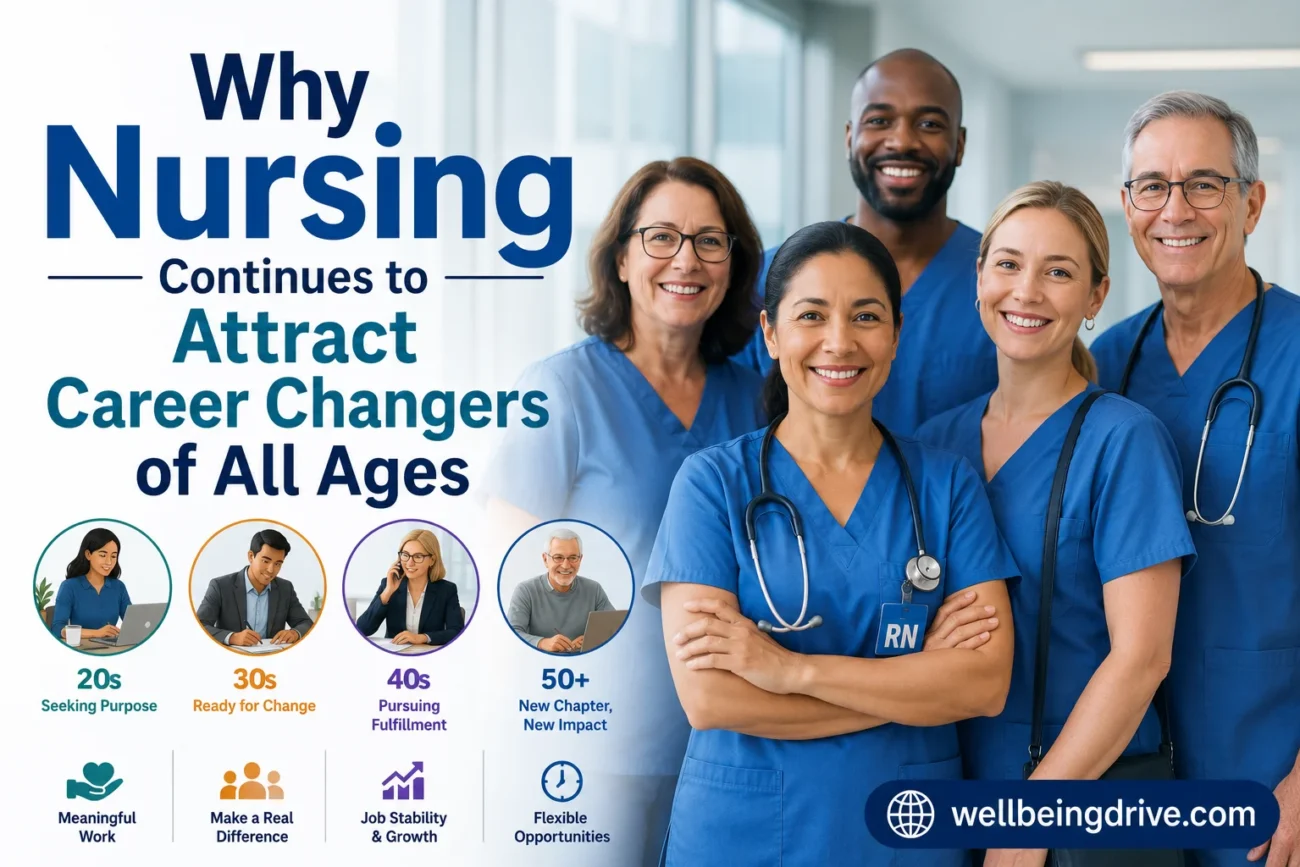
Many people reach a point where their current job no longer fits the life they want. Some feel burned out after years in corporate roles. Some want work that feels more useful. Others need a career with steadier demand and clearer growth. Nursing keeps showing up on the shortlist because it offers a rare mix of purpose, structure, and practical opportunity. The field also welcomes people who arrive with life experience, which makes it especially appealing to career changers. A former teacher, office manager, military member, parent, or retail worker may bring skills that matter in patient care. For people across generations, nursing can feel like a serious reset rather than a risky leap.
Why Life Experience Matters in Patient Care
One reason career changers often thrive in nursing is that life experience can strengthen patient interactions. Many patients value nurses who listen carefully, communicate clearly, and respond with patience. Adults who have worked in different industries frequently bring these qualities with them. They may have managed teams, solved workplace problems, handled stressful situations, or supported people through difficult circumstances. These experiences can improve their ability to connect with patients and families.
The growing interest from adults returning to education has also sparked discussions about the average age of nursing students, which reflects how nursing programs increasingly attract learners from a wide range of life stages and professional backgrounds. Clinical knowledge remains essential and must be learned through education and training. At the same time, human skills play an important role in healthcare. Career changers often arrive with a level of maturity and perspective that helps them navigate complex situations and build trust with those they care for.
Career Changers Want Work That Feels Useful
Many people leave established careers because their work starts to feel disconnected from real life. They may spend years meeting deadlines, handling reports, or managing customers without feeling that their effort changes anything meaningful. Nursing attracts these people because the value of the work is easy to understand. Nurses help patients manage pain, understand treatment, recover after illness, and feel less alone during stressful moments. That daily contact gives the job a clear purpose. Career changers often look for this direct link between effort and impact. They want to go home tired for a reason that makes sense. Nursing gives them a role where their time, attention, and care can matter to another person in a visible way.
Stability Matters More After Career Uncertainty
After layoffs, unstable industries, or years of worrying about the next company change, many adults start looking for work with stronger long-term demand. Nursing stands out because healthcare needs do not disappear when the economy shifts. Hospitals, clinics, long-term care centers, schools, home health agencies, and community health programs all need skilled nurses. That range gives career changers more than one place to build a future. Stability also matters for people supporting families, paying tuition, or planning for retirement later than expected. Nursing still requires effort, training, and licensing, but it offers a clearer path than many uncertain career moves. For adults who want dependable work with real community need, that matters.
Flexible Education Opens the Door
One reason nursing keeps attracting career changers is that education pathways have become more flexible. Adults who already hold a degree may explore accelerated options. Working learners may look for evening, weekend, hybrid, or online coursework where available. Some people begin with an entry-level nursing route and build from there over time. This flexibility matters because most career changers cannot pause their entire life to return to school. They may have bills, children, aging parents, or current jobs to manage. A realistic path makes the goal feel possible. Good nursing programs also help students understand clinical hours, licensing steps, and time commitments before they enroll, which helps adults plan with fewer surprises.
More Than One Career Path Ahead
Many career changers appreciate that nursing does not lock them into a single role for decades. A nurse can work in hospitals, outpatient clinics, schools, public health departments, rehabilitation centers, home healthcare, and many other settings. Over time, some nurses move into leadership, education, case management, research support, or advanced practice roles after meeting additional education and licensing requirements. This flexibility appeals to people who previously felt trapped in careers with limited growth. It also reduces the pressure of choosing one specialty forever. A new nurse can gain experience in one area and later explore another. For career changers making a major professional decision, having multiple options within the same profession creates a sense of long-term opportunity and control.
Work Schedules That Fit Real Life
Many adults considering a career change need work that fits around family responsibilities and personal commitments. Nursing offers scheduling options that are difficult to find in some other professions. Depending on the employer and specialty, nurses may work traditional daytime hours, evening shifts, weekends, or longer shifts with additional days off during the week. School nurses, clinic nurses, and public health nurses often follow schedules that differ from hospital-based roles. This variety allows people to look for positions that match their stage of life. Flexibility does not mean nursing is easy, and healthcare work can be demanding. Still, the ability to explore different schedules makes the profession attractive to people balancing work with responsibilities outside their job.
Financial Growth Supports Long-Term Goals
Income is rarely the only reason people choose nursing, but it remains an important factor. Career changers often make decisions based on practical realities such as housing costs, education expenses, family needs, and retirement planning. Nursing provides a clear professional pathway where experience, certifications, specialization, and additional education can create opportunities for increased earnings. Healthcare employers also continue to need qualified nurses in a wide range of settings, which helps support career stability. Before making a transition, prospective students should research local salary data, program costs, and employment trends in their area. A realistic financial plan helps people understand the return on their investment and avoid making decisions based solely on assumptions or online claims.
Nursing continues to attract career changers across generations because it aligns with what many adults want from their work. People look for purpose, stability, flexibility, and opportunities to grow, and nursing offers a practical route toward those goals. The profession welcomes individuals from diverse backgrounds and values many of the skills they have already developed in previous careers. While the transition requires commitment, education, and careful planning, many find that the effort leads to a career with lasting value. For anyone considering a professional reset, nursing remains one of the strongest options available. Its combination of meaningful work and long-term opportunity continues to appeal to people at every stage of life.
Disclaimer: WellbeingDrive provides health information for educational purposes only. Do not use this content as a substitute for professional medical advice. Consult your doctor before making health related decisions.