
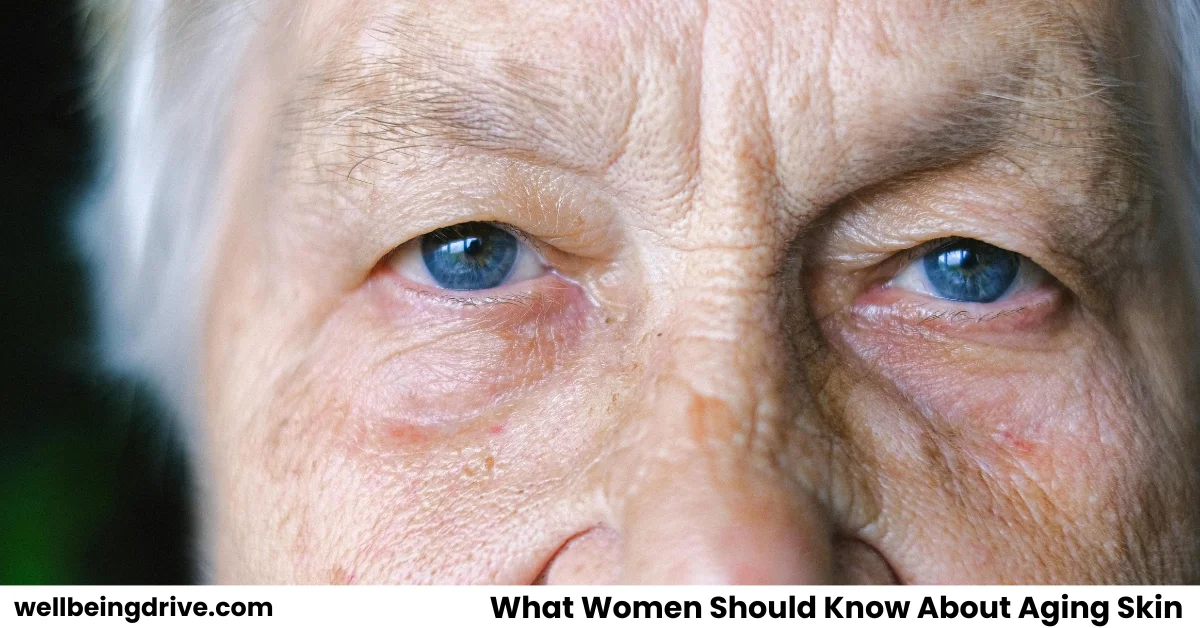
As we age our skin changes. It may become noticeable that it no longer looks as plump or smooth as it once did, and it’s in fact becoming thinner. In this article, you’ll read about the changes you’ll see in aging skin, what you can do to prevent premature aging, and how you can address particular issues that are caused by it.
What can you do to prevent premature aging?
Premature aging is mainly caused by lifestyle and environmental factors. You may reverse these changes by incorporating healthy habits into your lifestyle. If your skin is already showing signs of premature aging, here’s what you can do:
- Quit smoking: Stop smoking as soon as you can. If you need help quitting, talk to your healthcare provider.
- Reduce stress levels: Try to reduce stress as much as you can from your life. There are healthy stress management techniques that help. Exercise and meditation can help you deal with stressors that are unavoidable.
- Improve the quantity and quality of your sleep: Quality of sleep matters, too. When you get less than 7 hours of sleep your body ages quicker.
- Avoid going out in the sun: You should take steps to protect yourself from sunburn. Use sunscreen even when you’re in shade. Opt for UV protection that’s SPF 30 or higher.
- Manage menopause symptoms: Menopause makes your skin drier and thinner. These changes can be managed with an estrogen patch. It provides fast relief from symptoms of menopause. Pick one that’s FDA-approved.
- Eat vegetables and fruits: A healthy and balanced diet can also stop premature aging. Avoiding excess carbs and sugar helps, too.
- Reduce alcohol consumption: Alcohol also causes your skin to age prematurely. Reducing intake stops that from happening.
- Exercise: Improved blood flow, caused by exercise is good for your skin. This can entail anything (walking, strength training, etcetera.)
Changes that come with aging skin
When you age, your skin becomes paler, less stretchy, and thinner. Because your blood vessels are becoming more fragile, you will also bruise more often. Aging adults also produce less oil and sweat from their skin. According to research, on average, people lose about 1% of collagen every year after their mid-20s.
Several factors control how your age affects your skin. Losing collagen and elastin makes you develop wrinkles and you also look older.
Chronic health conditions can also have symptoms that affect your skin. Conditions like:
- Atherosclerosis
- Diabetes
- Heart disease
- Kidney disease
Here are some specific problems you may face caused by these diseases, along with what you can do to solve them.
Dry or flaky skin
During menopause your skin loses its ability to hold on to water. This makes it dry which is noticeable.
What you should do:
- Ditch the soap, use a mild cleanser. Soap can be too drying for mature skin. Also skip deodorant bars.
- Whenever your skin feels dry, apply moisturizer. Especially after bathing. Moisturizers with glycerin or hyaluronic acid may be helpful.
Bruising skin
Thin skin bruises easily.
What you should do:
- Use a broad-spectrum SPF 30 sunscreen (or higher) every day. This won’t thicken your skin, but it may prevent it from thinning further. Apply sunscreen to any part of your body that clothing won’t cover. Do this every day, even in winter.
- A dermatologist will be honest about what can work for you. A retinoid cream is beneficial for some people. Another option is laser treatment.
Increase in facial hair
As female hormones fall, you’ll start seeing unwanted hair under your chin, above your lip, and on your jawline.
What you should do:
- Waxing is an option. If your skin has become too thin for waxing it may tear and bleed. Here’s what you should try instead:
- A dermatologist can guide you towards other options like hair reduction cream or laser hair removal.
Hair loss from the head
Several women experience hair thinning on their heads during menopause. The first sign is a widening gap and another sign is a receding hairline.
What you should do:
- The earlier you start treating hair loss the better. The cause will decide the treatment for hair loss. If you’re losing hair due to menopause, a doctor may recommend laser treatment, minoxidil or both. But if you’ve lost a considerable amount of hair, a hair transplant may be an option.
Prevention is Key
Signs of premature aging can start showing at any point in adulthood. Several factors pertaining to your lifestyle or environment can be causing them. On the other hand, some rare conditions can also cause premature aging. You don’t necessarily need medicine if you’re getting the basics right. Eat a balanced diet, get exercise, quit smoking, protect your skin from the sun and reduce alcohol consumption and you won’t have a lot to worry about.
That said, if issues still persist, you should consider talking to your healthcare provider.