
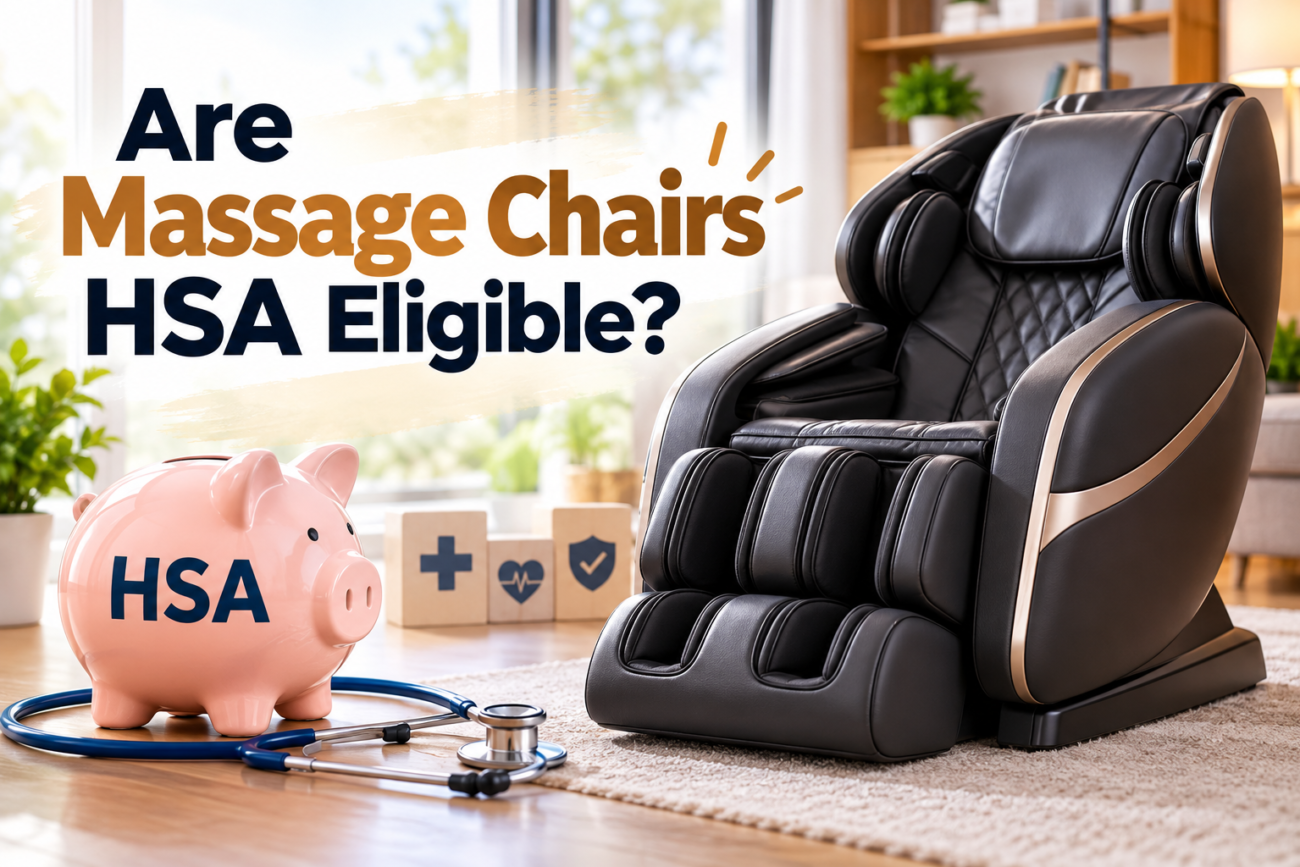
Many of today’s shoppers ask, ‘are massage chairs HSA eligible’, when looking for smarter ways to manage both comfort and healthcare spending. The answer depends on how the purchase is documented and why the chair is being used. This makes identifying the process important before making a decision.
Health Savings Accounts and Flexible Spending Accounts are designed to cover qualified medical expenses using pre-tax funds. These accounts usually apply to doctor visits, prescriptions, and treatments.
Massage chairs fall into a more specific category, where eligibility is tied to medical necessity rather than general wellness.
What Determines HSA Eligibility for Massage Chairs?
Massage chairs do not qualify automatically. Approval depends on whether the chair supports treatment for a diagnosed condition. Common examples include chronic back pain, muscle tension, or circulation issues that require consistent relief.
A healthcare provider must confirm this need through formal documentation. This usually takes the form of a Letter of Medical Necessity. The letter explains how the chair contributes to managing symptoms or supporting recovery.
Without this documentation, reimbursement is unlikely.
Each account administrator reviews claims based on internal guidelines. Some may request additional details, while others follow a more simplified process. Checking requirements before purchasing helps avoid delays or denied submissions.
Why Medical Justification Matters
Massage chairs have advanced beyond simple relaxation tools. Modern designs include targeted therapy features such as adjustable pressure, heat application, and body scanning. These capabilities allow the chair to support structured relief rather than casual use.
This distinction is important when determining eligibility. A chair used for general comfort does not meet the same criteria as one recommended for ongoing symptom management. Documentation must clearly connect the product to a medical need.
A detailed evaluation strengthens the case for approval. This is why it is smart to get a consultation before making a purchase. A provider can assess physical concerns and determine whether a massage chair fits within a treatment plan.
Types of Massage Chairs and How They Fit Different Needs
Massage chairs differ in design, which affects both cost and functionality. Selecting the right type depends on the condition being treated and the features required for consistent use.
Affordable massage chairs offer a practical entry point for those who need basic relief. These models focus on core functions such as rolling massage, vibration, and limited heat settings. They may suit individuals with mild discomfort or those beginning a structured routine.
At the other end of the spectrum, high-end massage chairs deliver more advanced capabilities. These models include full-body coverage, zero-gravity positioning, and detailed customization. They are designed for individuals who need more precise support or longer sessions.
Choosing between these categories should reflect medical recommendations rather than personal preference alone. Matching features to documented needs improves the likelihood of approval and long-term satisfaction.
Steps To Use Your HSA or FSA for a Massage Chair
The process begins with confirming that your account allows reimbursement for therapeutic equipment. Review plan documents or contact the administrator to verify eligibility requirements.
Next, schedule a visit with a healthcare provider. This step connects your symptoms to a treatment approach that includes a massage chair. The provider will prepare a Letter of Medical Necessity if the chair supports your care plan.
After receiving documentation, select a chair that aligns with those recommendations. Keep all receipts and supporting paperwork organized. Submit these materials to your HSA or FSA provider for review.
Some plans allow direct payment using account funds. Others require reimbursement after purchase. Recognizing how your plan operates helps set expectations for timing and approval.
Financial Planning and Payment Flexibility
Massage chairs represent a meaningful investment, which makes planning important even when using pre-tax funds. Pricing varies based on features, materials, and overall design quality.
Looking into financing options can make the purchase more manageable. Payment plans allow buyers to spread costs over time while still choosing a chair that meets their needs. This approach can work well alongside HSA or FSA reimbursement, reducing immediate financial pressure.
Account limits also affect timing. HSA funds roll over year to year, while some FSA plans require funds to be used within a set period. Planning the purchase around these timelines helps maximize available resources.
Careful budgeting also helps avoid partial payments that fall outside eligible reimbursement amounts. Reviewing monthly obligations before committing to a plan keeps spending in line with personal financial boundaries while still moving forward with a qualified purchase.
Common Mistakes that Lead to Denied Claims
One of the most frequent errors is purchasing a chair before securing medical documentation. Without a Letter of Medical Necessity, claims rarely succeed. Starting with professional guidance keeps the process on track from the beginning.
Another issue involves selecting a chair that does not match the documented need. A mismatch between features and medical reasoning can raise concerns during review. This may lead to partial reimbursement or denial.
Incomplete submissions also create problems. Missing receipts, unclear documentation, or incorrect forms slow down the process. Keeping detailed records from the start avoids unnecessary setbacks.
Long-Term Value of an Approved Purchase
Using HSA or FSA funds for a massage chair offers both financial and physical benefits. Pre-tax dollars increase purchasing power, which allows access to better equipment without increasing overall spending.
Regular use supports consistent relief. Instead of scheduling repeated appointments, users gain daily access to therapy at home. This convenience can improve adherence to care routines and support better outcomes over time.
A properly selected chair becomes part of a long-term wellness strategy. It supports ongoing comfort while fitting within structured medical guidance.
Making a Confident Buying Decision
Familiarizing yourself with eligibility removes uncertainty from the buying process. The question, ‘are massage chairs HSA eligible’, becomes easier to answer when medical documentation and product selection match.
Start with a clear evaluation of your needs. Work with a healthcare provider to determine whether a massage chair supports your condition. Use that guidance to choose a model that fits both your physical requirements and your budget.
Careful planning leads to a smoother experience from approval to daily use. With the right approach, a massage chair becomes more than a purchase. It becomes a practical extension of ongoing care supported by available healthcare funds.
Disclaimer: WellbeingDrive provides health information for educational purposes only. Do not use this content as a substitute for professional medical advice. Consult your doctor before making health related decisions.