
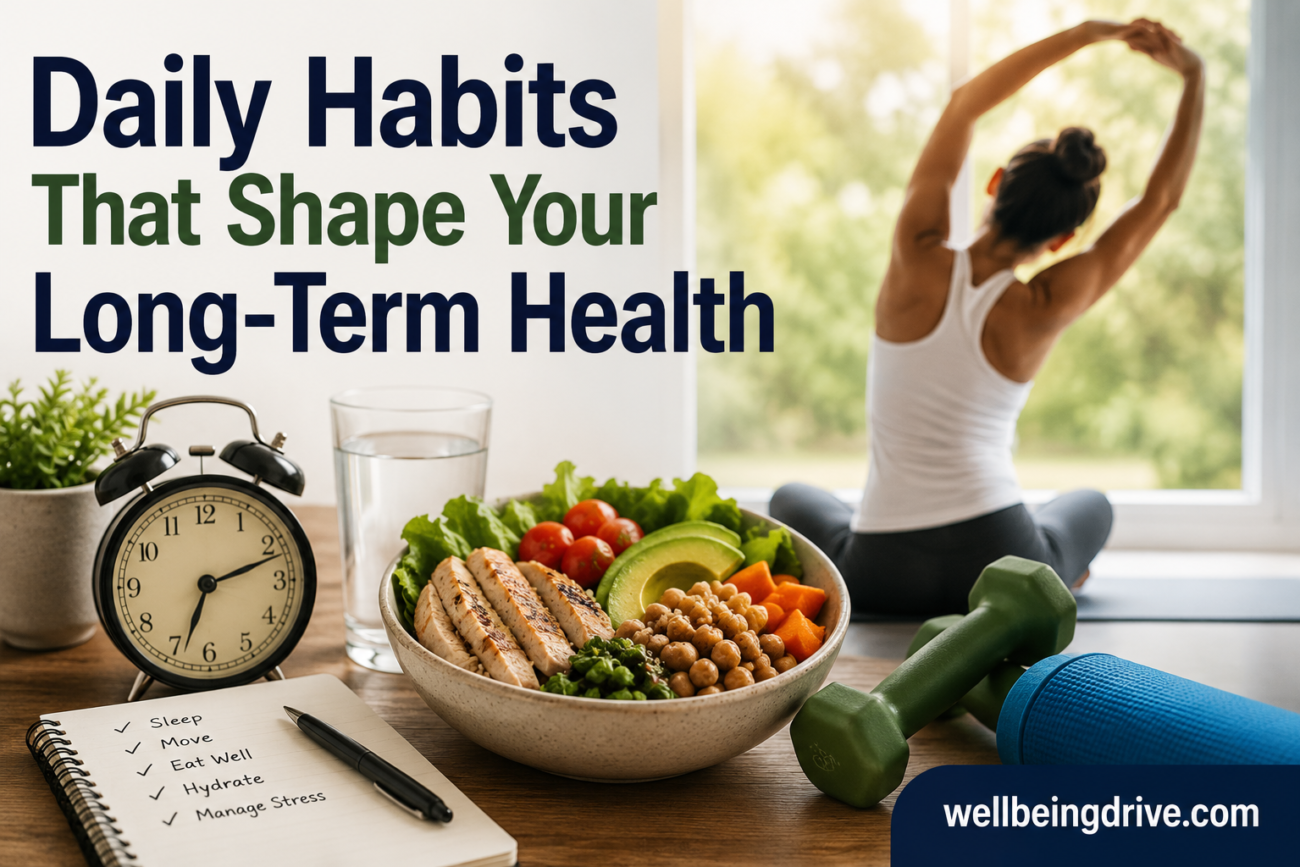
You make thousands of decisions every day, most without conscious thought. What time you wake up, what you eat for breakfast, whether you take the stairs or the elevator—these seemingly insignificant choices accumulate over time, creating the foundation of your overall health. The truth is, your current state of wellness isn’t determined by a single dramatic event or decision. Instead, it’s the result of countless small actions repeated consistently over weeks, months, and years.
Understanding this principle gives you tremendous power. You don’t need to overhaul your entire life overnight to see meaningful improvements in your health. By focusing on incremental adjustments to your daily routine, you can create sustainable changes that compound into significant health benefits. This approach feels manageable rather than overwhelming, and it’s far more likely to stick than drastic measures that require willpower you may not have when life gets stressful.
The challenge lies in identifying which habits deserve your attention and how to implement changes that actually last. Let’s explore the daily patterns that have the most profound impact on your long-term health and practical strategies for reshaping them.
Sleep: The Foundation Everything Else Builds Upon
If you’re only going to prioritize one health habit, make it sleep. Quality rest affects every system in your body—from immune function and metabolism to emotional regulation and cognitive performance. When you consistently shortchange your sleep, you’re essentially undermining every other healthy choice you make throughout the day.
Your body follows natural circadian rhythms that regulate hormone production, body temperature, and cellular repair processes. When you maintain consistent sleep and wake times, you work with these rhythms rather than against them. This consistency helps regulate cortisol levels, which influence everything from inflammation to blood sugar control. Even on weekends, try to wake within an hour of your weekday schedule to maintain this biological synchronization.
Creating an environment conducive to quality sleep matters just as much as the hours you allocate. Your bedroom should be cool, dark, and quiet. Consider blackout curtains if streetlights filter through your windows, and keep the temperature between 60-67 degrees Fahrenheit—the range most people find optimal for sleep. Remove electronic devices that emit blue light, or at minimum, use night mode settings on phones and tablets after sunset.
The hour before bed sets the stage for how well you’ll sleep. Develop a wind-down routine that signals to your brain that rest is approaching. This might include gentle stretching, reading physical books rather than screens, journaling, or meditation. Avoid intense exercise, heavy meals, and stimulating content during this window. Your pre-sleep ritual becomes a powerful cue that helps you transition from wakefulness to rest more easily.
Movement: Beyond Structured Exercise
You’ve heard it countless times: exercise is essential for health. But focusing solely on gym sessions or workout classes misses a crucial component of movement—what you do during the other 23 hours of your day. Non-exercise activity thermogenesis (NEAT) refers to all the calories you burn through daily activities outside of formal exercise, and it can significantly impact your metabolic health.
If you sit for eight hours at work, then sit during your commute, then sit at home in the evening, a 30-minute workout can’t fully counteract that prolonged inactivity. Your body is designed for regular movement throughout the day, not extended periods of stillness interrupted by brief bursts of activity. Research shows that breaking up sitting time with even two minutes of light activity every hour can improve insulin sensitivity and cardiovascular health markers.
Look for opportunities to add movement to activities you’re already doing. Take phone calls while walking, do calf raises while waiting for coffee to brew, park farther from entrances, or use a standing desk for part of your workday. These micro-movements seem trivial individually, but they accumulate into significant activity over time. The goal isn’t to replace structured exercise—that remains valuable—but to complement it with consistent daily movement.
When you do engage in intentional exercise, prioritize activities you genuinely enjoy. The best workout is the one you’ll actually do consistently. If you dread running, don’t force yourself onto a treadmill. Try dancing, hiking, swimming, martial arts, or group fitness classes until you find something that feels more like play than punishment. Building positive associations with movement makes it sustainable rather than something you constantly resist.
Nutrition: Quality Over Perfection
Nutrition advice can feel impossibly contradictory. One expert tells you carbohydrates are essential, while another insists they’re destroying your health. Someone promotes intermittent fasting as transformative, while someone else warns it disrupts hormones. This confusion often leads to paralysis—if you can’t figure out the “perfect” diet, why bother changing anything at all?
Here’s liberating news: you don’t need nutritional perfection to be healthy. Focus instead on consistently making choices that are slightly better than what you’d otherwise select. This approach removes the all-or-nothing thinking that derails so many well-intentioned efforts. You can eat vegetables most days without achieving some arbitrary “clean eating” standard. You can reduce processed foods without eliminating every packaged item from your pantry.
Start by examining your current eating patterns without judgment. What do you typically eat for breakfast? What drives your lunch choices—convenience, habit, genuine hunger? What time do you usually eat dinner, and what does that meal look like? Understanding your baseline helps you identify specific, manageable changes rather than attempting a complete dietary overhaul.
One of the most impactful shifts involves increasing whole foods while gradually reducing ultra-processed options. This doesn’t mean you can never enjoy convenience foods, but making whole foods the foundation of your diet provides more nutrients, fiber, and satiety. When possible, choose foods with minimal ingredients that you recognize. An apple is better than apple juice. Oatmeal with fruit beats a pastry. Grilled chicken with roasted vegetables trumps a frozen dinner loaded with sodium and preservatives.
Hydration deserves attention too, yet many people walk around chronically under-hydrated. Your body needs adequate water for every cellular function, from nutrient transport to temperature regulation. Thirst isn’t always a reliable indicator of hydration status, especially as you age. Keep water accessible throughout the day—a filled bottle on your desk, a glass by your bedside. If plain water feels boring, add lemon, cucumber, or mint for flavor without added sugars.
Stress Management: The Missing Piece
You can sleep eight hours, exercise daily, and eat nutritious meals, but if you’re chronically stressed, you’re still compromising your health. Stress triggers a cascade of physiological responses designed for short-term survival—elevated cortisol, increased heart rate, diverted blood flow. These responses are adaptive when facing immediate threats, but they become destructive when activated constantly by work deadlines, relationship conflicts, financial worries, and endless digital stimulation.
Chronic stress contributes to inflammation, impaired immune function, digestive issues, cardiovascular problems, and disrupted sleep—essentially undermining all those other healthy habits you’re working to build. Managing stress isn’t optional; it’s essential for long-term health. The challenge is that you can’t always eliminate stressors from your life, but you can change how you respond to them.
Mindfulness practices help create space between stimulus and response. When you practice observing your thoughts and emotions without immediately reacting, you develop greater emotional regulation. This doesn’t require hours of meditation—even five minutes of focused breathing can shift your nervous system from sympathetic (fight-or-flight) to parasympathetic (rest-and-digest) activation. Apps, guided recordings, or simple breath counting can help you establish this practice.
Social connection serves as a powerful stress buffer. Humans are inherently social creatures, and meaningful relationships provide emotional support that helps you navigate challenges. Prioritize time with people who energize rather than drain you. This might mean regular phone calls with distant friends, weekly coffee dates, joining community groups, or simply having dinner with family without devices present. Quality matters more than quantity—one authentic conversation can be more restorative than a dozen superficial interactions.
Setting boundaries protects your mental and emotional resources. You don’t have to respond to every email immediately, attend every social event, or say yes to every request for your time. Learning to decline commitments that don’t align with your priorities or capacity isn’t selfish—it’s necessary for maintaining the energy to show up fully for what truly matters to you.
The Role of Support Systems in Behavior Change
Changing ingrained habits is challenging, and attempting to do it in isolation makes it even harder. Your environment and relationships significantly influence your behaviors, often in ways you don’t consciously recognize. If everyone around you maintains unhealthy patterns, you’ll face constant friction when trying to establish healthier ones. Conversely, when you surround yourself with people who prioritize wellness, those behaviors become normalized and easier to maintain.
Consider who in your life supports your health goals and who might inadvertently undermine them. This isn’t about cutting people out of your life, but rather being strategic about when and how you engage with different individuals. Maybe you skip the weekly happy hour that always turns into excessive drinking and suggest a hiking meetup instead. Perhaps you find an accountability partner who’s also working on health improvements so you can encourage each other.
Professional support can accelerate progress and provide structure when you’re struggling to create change independently. This might include working with a nutritionist to develop sustainable eating patterns, seeing a therapist to address emotional barriers to health, joining a fitness class with built-in community, or participating in wellness programs. Research tracking 48 key events on just a few months of structured support shows that people who engage with professional guidance achieve better outcomes than those attempting change alone, particularly when addressing complex behavioral patterns.
Online communities can provide additional support, though they require discernment. Some groups foster comparison, perfectionism, and unhealthy behaviors disguised as wellness. Look for communities that emphasize progress over perfection, celebrate small wins, and provide evidence-based information rather than promoting extreme approaches or quick fixes. The right community helps you feel less alone in your struggles and provides practical strategies from people navigating similar challenges.
Tracking Progress Without Obsession
What gets measured gets managed, as the saying goes. Tracking certain health markers can help you identify patterns, maintain motivation, and course-correct when needed. However, there’s a fine line between helpful monitoring and obsessive tracking that creates anxiety and removes joy from the process.
Choose metrics that actually matter for your goals and that you can influence through your behaviors. If you’re working on improving sleep, tracking hours slept and how rested you feel upon waking provides useful data. If you’re focusing on movement, step counts or workout frequency might be relevant. For nutrition, you might track servings of vegetables rather than calories, shifting focus toward adding beneficial foods rather than restriction.
Avoid weighing yourself daily if the number on the scale significantly impacts your mood and self-worth. Weight fluctuates due to hydration, sodium intake, hormonal cycles, and other factors unrelated to fat loss or gain. Weekly or monthly measurements provide a better picture of trends without the emotional rollercoaster of daily variations. Better yet, focus on how you feel—energy levels, sleep quality, mood stability, physical capabilities—rather than external measurements.
Regular check-ins with yourself help maintain awareness without constant monitoring. Set a weekly time to reflect on how your health habits are going. What went well? What proved challenging? What adjustments might help next week? This reflection keeps you engaged with the process while allowing flexibility rather than rigid adherence to predetermined plans.
Navigating Setbacks and Imperfection
You will have days when you don’t follow through on your health intentions. You’ll skip workouts, eat foods that don’t serve you well, stay up too late scrolling social media, or let stress overwhelm your coping strategies. This isn’t failure—it’s being human. The difference between people who maintain long-term health improvements and those who cycle through repeated attempts lies not in avoiding setbacks but in how they respond to them.
When you slip up, resist the urge to abandon your efforts entirely. The “all-or-nothing” mentality—thinking that since you already ate poorly at lunch, you might as well write off the whole day—sabotages progress. Each moment offers a fresh opportunity to make a choice aligned with your health. One less-than-ideal meal doesn’t negate the nutritious breakfast you had. Missing your morning workout doesn’t mean you can’t take a walk after dinner.
Practice self-compassion when you fall short of your intentions. Speak to yourself the way you’d speak to a good friend facing similar struggles—with kindness, understanding, and encouragement rather than harsh criticism. Research consistently shows that self-compassion supports behavior change more effectively than self-criticism, which often triggers shame spirals that lead to giving up entirely.
View setbacks as information rather than indictments of your character. If you consistently struggle to maintain a particular habit, that’s useful data. Maybe the habit needs adjustment—perhaps morning workouts aren’t realistic given your schedule, but lunchtime walks are. Maybe you need additional support or a different approach. Curiosity about what’s not working helps you problem-solve rather than simply feeling bad about yourself.
Creating Your Personal Health Blueprint
Generic health advice rarely accounts for your unique circumstances, preferences, and challenges. You’re not a statistic or an average—you’re an individual with specific needs, constraints, and goals. Creating sustainable health improvements requires developing an approach that fits your actual life rather than trying to force yourself into someone else’s ideal.
Start by identifying your non-negotiables—the aspects of your life that aren’t changing regardless of health goals. Maybe you work night shifts, have young children, manage chronic health conditions, or have financial limitations. These factors shape what’s actually possible for you. Rather than viewing them as obstacles, treat them as parameters within which you’ll design your health practices.
Experiment to discover what works for your body and lifestyle. Some people thrive with early morning exercise; others need evening movement to decompress from the day. Some do well with three meals; others prefer smaller, more frequent eating. Some find meditation transformative; others manage stress better through creative pursuits or time in nature. Give different approaches genuine trials, but don’t force strategies that consistently feel miserable or unsustainable.
Build habits sequentially rather than simultaneously. Attempting to overhaul sleep, nutrition, exercise, and stress management all at once typically leads to overwhelm and abandonment of all efforts. Choose one area to focus on first—ideally the one that will create the most positive ripple effects in other areas. For many people, that’s sleep, since quality rest improves energy for exercise, reduces stress eating, and enhances emotional regulation.
Once a new habit feels relatively automatic—you do it without significant mental effort or decision-making—add another layer. This gradual approach may seem slower than dramatic transformations, but it’s far more likely to create lasting change. You’re not just altering behaviors temporarily; you’re rebuilding your relationship with health and self-care in a way that can sustain you for decades.
The Long View: Health as a Lifelong Practice
Health isn’t a destination you reach and then maintain effortlessly. It’s an ongoing practice that evolves as your life circumstances, body, and priorities change. What serves you well in your twenties may need adjustment in your forties. Strategies that work when you’re single might shift when you have a family. Health challenges may emerge that require new approaches.
This reality can feel frustrating—wouldn’t it be nice to just figure it out once and be done? But it’s also liberating. You don’t have to achieve some perfect state of health and then white-knuckle your way through maintaining it forever. You can continuously adapt, refine, and reimagine what wellness looks like for you in each season of life.
The daily habits you cultivate now create the foundation for your future health. Every nutritious meal, every good night’s sleep, every stress management practice, every movement session contributes to your body’s resilience and function years down the road. You’re not just living for today—you’re investing in the quality of life you’ll experience in your later decades.
Start where you are, with what you have, doing what you can. Progress doesn’t require perfection, just consistent effort in a generally positive direction. Your health is worth the attention, experimentation, and patience required to build habits that truly serve you. Small changes, repeated consistently, create transformations that last.
Disclaimer: WellbeingDrive provides health information for educational purposes only. Do not use this content as a substitute for professional medical advice. Consult your doctor before making health related decisions.