
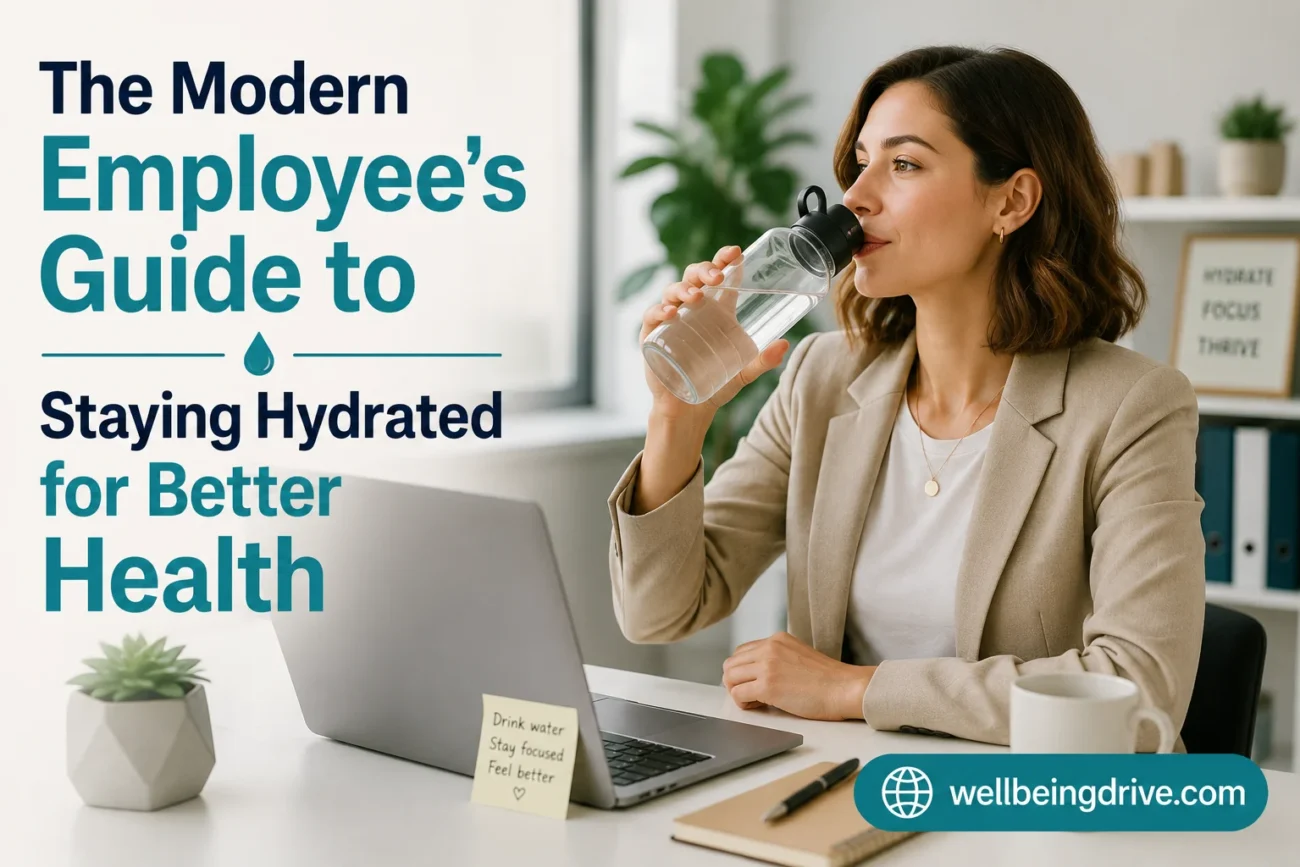
Every professional today is caught in a web of responsibilities and deadlines. We often find ourselves glued to our screens, crafting emails, crunching numbers, and attending meetings with caffeine in hand. What gets overlooked in this high-velocity environment? One basic, easy self-care routine: staying hydrated.
The Power of H2O
Water is, undeniably, the baseline of any health regimen. It maintains our internal mechanics, optimizes brain function, and fuels our day-to-day activities. Yet, in the midst of chasing targets and juggling tasks, we underestimate its power. Ask yourself: Have you had enough water today? The answer might reveal a gap between your daily habits and well-being objectives. Consuming the right amount of water can also keep your energy levels high. When your body is well-hydrated, blood circulation improves, providing oxygen and nutrients to vital organs. This can translate into better stamina, ensuring you have the vitality to tackle whatever the day might throw at you.
Throughout history, many powerful figures have attributed their sharp mental agility to simple routines like drinking enough water. Although it sounds simplistic, keeping a clear mind amidst a cascade of pressures is often associated with the basic state of how well we’re hydrated. As water circulates within the body’s matrix, it influences areas we rarely connect with hydration, such as emotional balance and general mental alertness. One’s mindset is, therefore, crucially supported by keeping one’s hydration in check.
An interesting approach to ensure hydration at your workplace might be to consider investing in Water & ice on-demand solutions. These innovations offer a sustainable and convenient way for employees to access purified water throughout their workday while minimizing costs and environmental waste. Such an improvement facilitates consistent hydration across the board, enhancing overall workplace productivity and well-being.
Practical Ways to Stay Hydrated
- Carry a Refillable Bottle: A trusty bottle by your side serves as a visual cue and allows you to track water intake easily. Aim to refill it at regular intervals throughout the day.
- Set Time-based Reminders: You can’t rely on thirst alone to remind you to drink. Technology can help – set a recurring alarm to take water breaks, even when emails pile high.
- Eat Water-rich Foods: Besides drinking, consume fruits and vegetables like watermelon, cucumber, and oranges that naturally hydrate.
- Limit Caffeine and Sugary Drinks: Swap one or more cups of coffee or soda with herbal teas or just plain water.
- Build a Routine: Begin and end your day with a glass of water, and stick to a routine that keeps hydration measurable.
Not All Beverages Are Equal
Many count their daily dose of fluids based on their coffee or soft drink consumption. However, the reality is harsh: these don’t replace the benefits of drinking water. While they might give a temporary boost of energy, the hidden sugars and caffeine can leave you hitting the metaphorical brick wall sooner than anticipated. And hydration? It barely scratches the surface.
It’s important to educate ourselves on the ingredients within our favorite drinks. Energy drinks, while marketed as performance enhancers, often can have adverse effects when consumed consistently instead of water. The stealthy culprits are the artificial additives and aforementioned sugars, which can erode wellbeing over time. Simply substituting these drinks with water or herbal teas can make profound differences in how our bodies recoup and regenerate.
The afternoon slump at your desk? It’s often associated with dehydration rather than the workload. Replacing sugary beverages with water not only reduces calorie intake but also alleviates the sluggish feeling that typically follows.
We should also consider the environmental impact. By cutting down on purchasing sugary drinks and turning to tap water, we’re doing our bit for sustainability. The ripple effect includes reduced plastic waste and preserving natural resources. Hence, promoting water intake not only benefits individual health but contributes positively to collective environmental goals.
Understanding Your Needs
Bear in mind that hydration isn’t about a one-size-fits-all magic number. Physical activity, dietary habits, climate, and individual health differences mean your needs vary. Listen to your body and adjust accordingly to maintain your optimal performance.
While water intake is essential, balance is key. Overconsumption could lead to its own set of problems. It’s essential to assess your body’s signals, ensuring that you’re optimally hydrated without overdoing it.
As each person’s body responds differently to various levels of hydration, keeping a journal may help in identifying unique patterns. Observing these patterns over weeks or months, such as energy levels during work hours, can provide insights into personal hydration needs. Recognizing individual responses allows tailoring approaches for effective hydration, leading to a healthier life experience overall.
The Science Behind Hydration and Productivity
Findings in cognitive psychology suggest that even mild dehydration impacts cognitive performance and mood. Tasks requiring alertness, coordination between the mind and body, and problem-solving speed are all compromised. Better hydration equals better productivity. Period.
Studies further suggest a direct link between hydration and stress management. When adequately hydrated, the body is better prepared to maintain ongoing cognitive functions while simultaneously dealing with stress. This can lead to enhanced clarity under pressure and more balanced emotional responses, promoting a peaceful work environment.
Delving deeper into the science behind hydration, water acts as a lubricant for joints. Staying well-hydrated can counteract physical discomforts such as joint stiffness, which might otherwise be mistaken as a sedentary lifestyle consequence. Ultimately, a body free from minor ailments means fewer distractions from primary concerns, enhancing productivity. Simple gestures like choosing water can translate into more substantial long-term workplace benefits.
Conclusion
In the relentless march of professional life, ensuring you remain hydrated isn’t just a checklist item; it’s a commitment to your health. Water literally kickstarts your body’s complex systems, revives brain function, and makes you more effective in the workplace. Prioritize hydration and watch how you transform from riding the roller-coaster of fatigue to reaching peak performance consistently.
Disclaimer: WellbeingDrive provides health information for educational purposes only. Do not use this content as a substitute for professional medical advice. Consult your doctor before making health related decisions.