
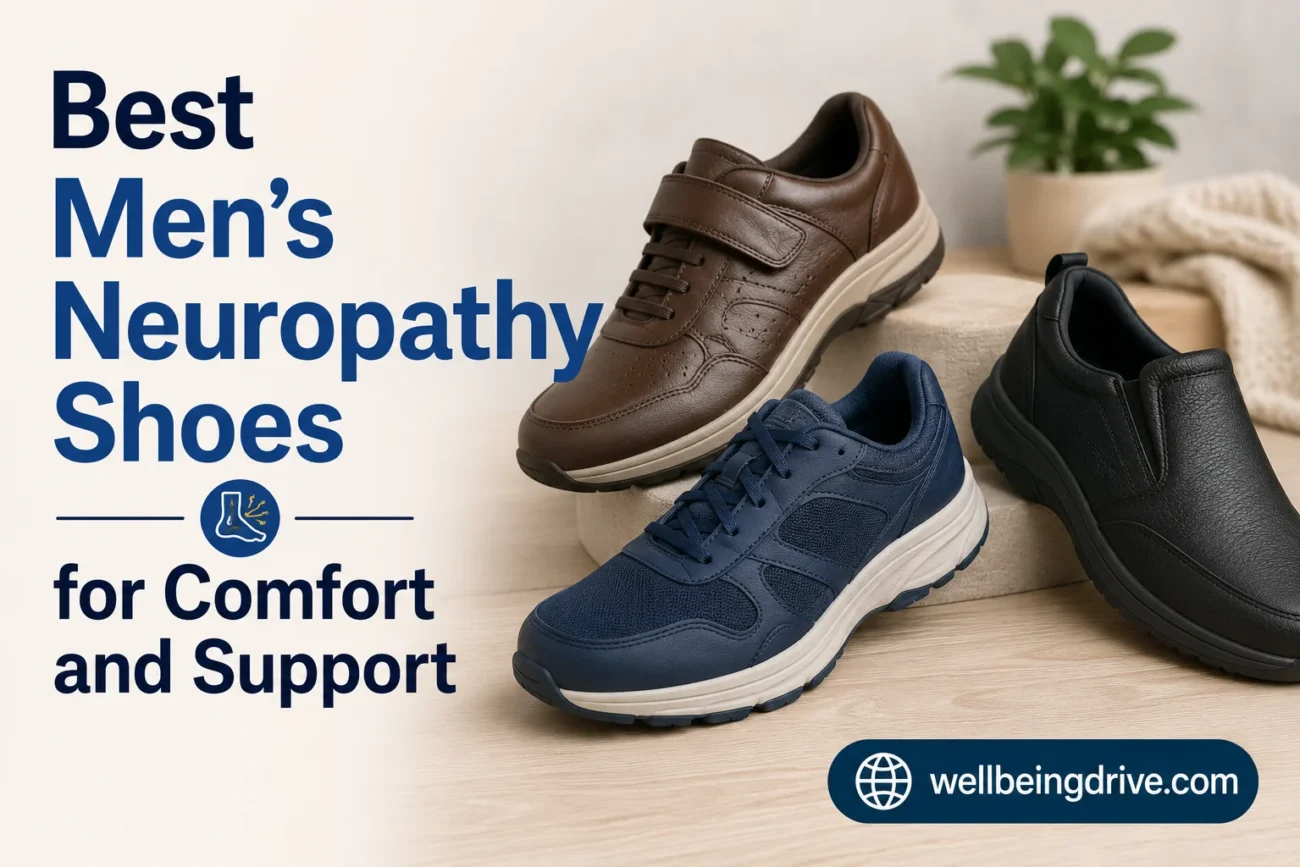
Men with neuropathy often need more than a standard pair of walking shoes. The condition introduces nerve-related symptoms like sensory numbness, severe tingling, burning sensitivity (allodynia), swelling, and reduced foot proprioception. These symptoms can impact mechanics and balance, making your feet significantly more vulnerable. Because neuropathy disrupts how the brain receives foundational pain signals, improper footwear can cause hidden rubbing, tissue pressure, and a poorly balanced gait without you ever noticing the damage.
This guide compares men’s neuropathy shoe brands and specialist footwear providers based on comfort, supportive structure, fit range, and practical daily-use features. The right shoes do not treat the underlying nerve damage of neuropathy itself, but they can help reduce pressure, limit friction, improve daily comfort, and support safer walking. Strong options usually combine soft interiors, stable soles, wide or extra-depth fits, removable insoles, and enough adjustability to accommodate swelling or prescribed orthotics.
Why Men With Neuropathy Need the Right Shoes
Neuropathy in the feet causes an array of complex symptoms such as sensory numbness, burning pain, tingling, reduced physical feeling, tissue swelling, and dangerous balance problems. Correct shoe fit matters immensely. Because sensory nerve damage can reduce pain signals, a minor blister or area of rubbing may go unnoticed and progress into a wound, ulcer, or infection.
Tight toe boxes worsen discomfort and create centralized pressure points across the skin. Furthermore, shoes without enough internal depth will not work well with custom orthotics or feet that swell significantly throughout the day.
Neuropathy can reduce proprioception, which affects your ability to sense where your feet are in space. Shoes with unstable or overly soft midsoles may make balance feel less secure, especially for men who already have reduced foot sensation. A proper shoe should provide enough structure to support a steadier gait while still offering cushioning over hard surfaces.
What to Look for in Men’s Neuropathy Shoes
Here are the main features to consider when evaluating neuropathy-friendly shoe options.
Wide Toe Box and Extra Depth
Wide sizing reduces side-to-side pinch pressure across the foot, while extra depth provides essential space for natural swelling, therapeutic custom inserts, and sensitive friction spots on the top of the foot. Men must not rely only on “stretchy” shoe uppers when they actually need true structural width or standardized extra depth.
Soft or Seam-Free Interior
Rough seams, stiff synthetic linings, or harsh stitching patterns create hazardous friction. For men with reduced sensation, a smooth interior matters intensely because active tissue rubbing may go completely unnoticed for hours.
Cushioning With Stability
Cushioning can help absorb repetitive impact, but shoes should not feel overly soft or unstable beneath the foot. Look for a balance of comfort, support, and structure.
Adjustable Closures
Utilize external laces, adjustable straps, quick hook-and-loop closures, and flexible stretch panels. These adjustable features are extremely helpful when unpreventable foot swelling changes your volume requirements during the afternoon.
Slip-Resistant and Stable Sole
Stable outsoles, reliable traction, and firm heel support can help men feel more secure while walking on smooth or slick surfaces.
Quick Comparison: Best Men’s Neuropathy Shoes and Footwear Providers
Use this extremely focused comparison regarding foundational men’s neuropathy footwear providers to begin your search.
| Rank | Brand / Provider | Best For | Key Strength | Fit Notes |
| 1 | DT Footwear | Overall Options | Extreme Width / Depth | Modular orthotic sizing |
| 2 | Orthofeet | Orthopedic Comfort | Soft, seamless interiors | Plantar fasciitis, wide toes |
| 3 | Dr. Comfort | Diabetic Relief | Deep therapeutic safety | Select Medicare-eligible depth-shoe options |
| 4 | New Balance | Athletic Walking | Cushioned internal support | Broad 6E availability |
| 5 | Brooks | Walking Stability | Built-in external structure | Straight roomy toe box |
| 6 | Propet | Everyday Utility | Lightweight functional hold | Functional daily dimensions |
| 7 | FitVille | Extra-Wide Casual | Visually casual wide toe area | Generous volume sizing |
| 8 | Apex / Anodyne | Protected Utility | Medical condition width | Highly sensitive at-risk feet |
1. DT Footwear — Best Overall Provider for Men’s Neuropathy Shoe Options
DT Footwear functions primarily as a specialist footwear provider rather than a single shoe brand, which makes it useful for men who need to compare multiple widths, depths, closures, and support features in one place. It may be especially helpful for shoppers who struggle to find proper width or internal depth in standard sporting-goods stores.
Its main advantage is range. Men with neuropathy can use a specialist provider like DT Footwear to compare extra-depth shoes, wide and extra-wide sizing, removable insole designs, adjustable closures, and orthotic-compatible styles. This can make the search process easier, especially for people dealing with swelling, sensitive pressure points, or difficulty fitting custom inserts.
2. Orthofeet — Best for Orthopedic Comfort and Sensitive Feet
Orthofeet maintains a strong reputation as a popular orthopedic shoe brand expressly tailored for people who need soft interiors, gentle cushioning, and a meticulous, comfort-focused design. By incorporating stretch or soft uppers and precise wide sizing options up to 6E, it integrates supportive, removable insoles and steadfast orthopedic-style cushioning. It is an exceptionally strong option for daily walking across highly sensitive skin.
3. Dr. Comfort — Best for Diabetic-Friendly Therapeutic Shoes
Dr. Comfort is deeply associated directly with comprehensive, diabetic-friendly therapeutic footwear. This structured brand boasts deeply protective shoe interiors, certified extra-depth construction, and mechanically supportive soles. Supplying a highly protective, comfort-focused fit, Dr. Comfort stands as a tremendously useful provider for men who strictly require a more clinical, medical-style shoe option.
4. New Balance — Best for Cushioned Walking and Wide Sizes
New Balance emerges as a structurally strong option for men who want a more traditional walking or athletic shoe. Combining superb walking comfort, densely cushioned fatigue-reducing midsoles, and highly accessible multiple-width options, it remains ideal for mainstream daily activity and fitness. Men with neuropathy should still cautiously check specific interior seams, depth allowances, and detailed orthotic compatibility before deciding on a purchase.
5. Brooks — Best for Walking Support and Stability
Brooks remains a strong choice for men who decisively need rigid structured support alongside highly stable movement. They provide mechanically supportive midsoles through intuitive internal guide systems, a phenomenal walking and running shoe crossover experience, strong friction traction, and a remarkably stable heel structure. This engineering is highly useful for men prioritizing balance support, though specific Brooks models operate better for neuropathy symptoms than others.
6. Propet — Best for Everyday Wide-Fit Walking Shoes
Propet serves as a practical, functional option for men who want highly reliable, wide-fit daily walking footwear. Providing comprehensive wide and critically extra-wide options extending to high-volume feet, Propet utilizes comfortable everyday aesthetic designs alongside easily adjustable closures in select medical models. Delivering stellar value for long-term daily use, Propet can work exceptionally well for men possessing functional comfort goals instead of extreme athletic performance desires.
7. FitVille — Best for Extra-Wide Casual and Walking Options
FitVille operates seamlessly as a generous option for men who specifically need vastly roomy toe boxes paired with casual daily comfort. Featuring wide fit options that properly facilitate an expansive, roomy toe area, their casual and robust walking shoe styles leverage exclusively comfort-focused designs. This is immensely helpful for older men who chronically feel severely squeezed in standard commercial shoes, though orthotic clearance and internal volume must still be carefully checked if severe daytime swelling occurs.
8. Apex or Anodyne — Best for Therapeutic Foot Protection
Brands precisely engineered like Apex or Anodyne supply an advanced therapeutic medical-style footwear option. Emphasizing intensely robust protective construction, foundational extra depth measurements, luxuriously soft interiors, and completely unyielding supportive base soles, these specific specialty providers cater directly to the most vulnerable user demographics. They operate excellently for diverse men handling deeply sensitive, uniquely at-risk, or medically compromised feet without sacrificing continuous functional support.
How to Choose the Right Pair for Your Symptoms
Choosing the right pair depends on your main symptoms, foot shape, and whether you use prescribed inserts or orthotics.
- For swelling (edema): Look for adjustable closures, such as straps or laces, that can be loosened as foot volume changes during the day.
- For numbness: Prioritize smooth, low-friction interiors so unnoticed rubbing is less likely to develop into skin irritation or wounds.
- For burning pain: Choose stable cushioning that helps spread pressure without feeling overly soft or unstable.
- For balance issues: Look for firm heel support, stable soles, and reliable traction.
- For custom orthotics: Choose extra-depth shoes with removable insoles and enough internal room for prescribed inserts.
- For wide feet: Buy true wide or extra-wide sizes rather than relying only on stretchy uppers.
When to Ask a Doctor or Podiatrist Before Buying
Properly selected footwear can support comfort and reduce friction, but it does not replace professional podiatric or medical care. Men with diabetes, open sores, unhealed wounds, active foot ulcers, sudden worsening numbness, major swelling, recurring blisters, or signs of poor circulation should consult a podiatrist or qualified healthcare professional before buying standard retail footwear.
Seek medical guidance promptly if you notice sudden severe numbness, worsening burning pain, new balance problems, significant swelling, foot deformity, skin discoloration, slow-healing wounds, or shoes that repeatedly cause rubbing, blisters, or pressure marks.
Next Steps
Your final footwear choice should be based on comfort, support, true width, internal depth, stable sole structure, and your daily symptoms. If you have diabetes, open sores, ulcers, serious swelling, recurring blisters, or worsening numbness, speak with a podiatrist or qualified healthcare professional before buying standard retail footwear. To compare specialty width options, extra-depth designs, and orthotic-compatible models, you can start with a specialist footwear provider such as DT Footwear, then confirm that the final shoe works safely for your feet and medical needs.
Disclaimer: WellbeingDrive provides health information for educational purposes only. Do not use this content as a substitute for professional medical advice. Consult your doctor before making health related decisions.