
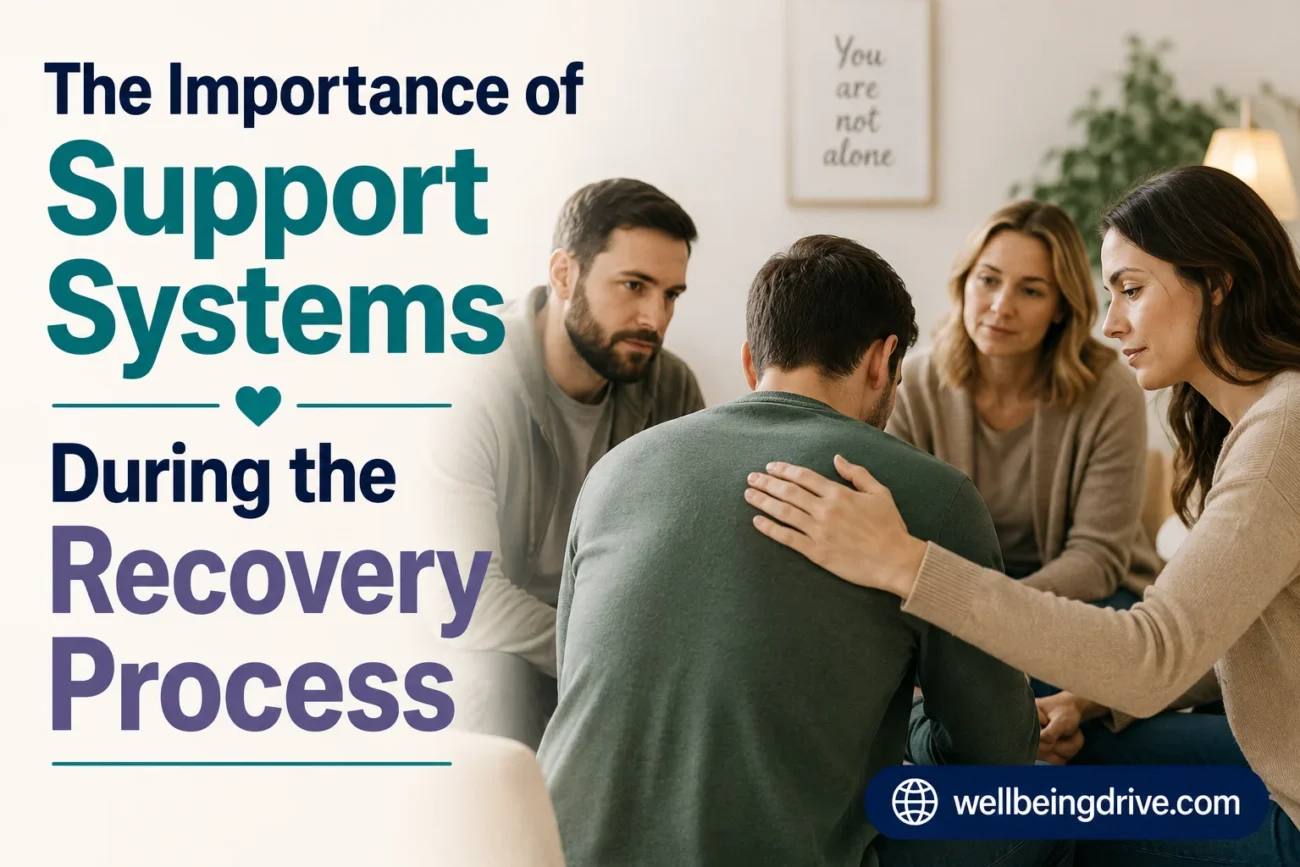
Recovery is rarely a solo achievement, no matter how determined the individual is at the start. The early months ask people to rebuild routines, repair relationships, manage cravings, and confront emotions that have been buried for years. Doing that work in isolation almost always ends the same way, with the person quietly slipping back into old patterns because the weight became too much to carry alone. A strong support system changes that outcome. It does not remove the difficulty of recovery, but it surrounds the person with the structure, accountability, and encouragement needed to keep moving forward when motivation alone runs thin. The sections below examine the different layers of support that protect long-term recovery and explain why each one matters.
The Limits of Leaning Only on Loved Ones
Family and close friends are often the first people someone in recovery turns to, and that instinct is understandable. The trouble is that loved ones, no matter how devoted, are not trained to handle the clinical realities of addiction. They may push too hard, soften too much, or carry emotional wounds of their own that complicate the support they try to offer. Without trained guidance layered into the picture, small misunderstandings turn into setbacks, and the person in recovery starts hiding struggles to protect the people around them. That silence is where relapse takes root. To close that gap, visit innervoyagerecovery.com to speak to a professional who can assess the situation, recommend the right level of care, and coordinate the clinical layer that personal relationships cannot provide. Trained admissions staff and clinicians bring an understanding of withdrawal, co-occurring conditions, behavioral patterns, and evidence-based methods that family members simply do not have access to.
Peer Support and the Power of Shared Experience
Few things steady a person in recovery faster than sitting in a room with others who have walked the same road. Peer groups offer a kind of recognition that no outsider can provide. When someone describes the urge to numb out after a difficult phone call, the heads nodding around the room communicate something words cannot. That shared experience reduces shame, which is one of the largest obstacles to sustained recovery. It also provides living proof that the work pays off, since the person hears from others who are six months, two years, or a decade further along. Regular attendance at peer meetings becomes one of the most reliable anchors a person can build into the week.
Clinical Relationships That Go the Distance
A skilled therapist or counselor occupies a unique position in the support system. Unlike friends or family, they hold no personal stake in the outcome beyond the person’s well-being, which frees them to ask hard questions and challenge thinking patterns without fear of damaging the relationship. Over time, this clinical relationship becomes a space where the person can explore the roots of addiction, including trauma, untreated mental health concerns, and family dynamics that shaped early coping habits. Consistency matters enormously here. Seeing the same clinician across months and years allows the work to deepen in ways that occasional or interrupted treatment cannot achieve.
The Role of Healthy Daily Connections
Beyond formal treatment and peer groups, the smaller daily connections deserve attention. A coworker who notices when the person seems off, a neighbor who waves each morning, a coach at the gym, a barista who remembers the order, all contribute to a sense of being seen and rooted in ordinary life. These low-stakes interactions counteract the isolation that addiction tends to create. They also reinforce the identity the person is building in recovery, since being known and recognized in small ways outside of treatment settings reminds the individual that they belong to a wider community.
Family Involvement Done Correctly
When family members receive guidance on how to support recovery, their role becomes one of the strongest assets the person has. Education on boundaries, communication, and the realities of substance use disorders allows loved ones to respond constructively rather than reactively. Family therapy sessions create a setting where old patterns can be named openly and replaced with healthier ways of relating. Done well, this work transforms the home environment from a source of tension into a place where the person can continue practicing what they have learned in treatment.
Building Accountability Without Shame
Accountability is one of the most misunderstood elements of a support system. It is often confused with surveillance or judgment, which makes people resist it. True accountability looks different. It involves a small circle of trusted individuals who check in regularly, ask honest questions, and respond with care rather than criticism when answers are uncomfortable. A sponsor, a therapist, a recovery coach, or a close friend in long-term recovery can all serve this role. The point is not to catch someone failing but to create regular moments of honesty that keep small struggles from growing into larger ones.
Spiritual or Faith-Based Support When It Fits
For many individuals, faith or spiritual practice provides a layer of support that secular methods alone cannot offer. This might involve regular attendance at a place of worship, participation in a faith-based recovery program, prayer, meditation, or quiet study. The structure of belief gives the person a sense of meaning and direction during the long stretches when progress feels slow. For those who find this support meaningful, integrating it into the broader recovery plan strengthens the foundation considerably.
Knowing When to Add Another Layer
Support needs shift across the recovery timeline. The first ninety days require intensive structure, while later stages may call for different forms of connection as new challenges emerge. Returning to work, navigating a relationship, facing a loss, or marking an anniversary can each surface needs that the existing support system was not built to handle. Recognizing those moments and reaching out for additional help is a sign of progress rather than weakness. People who treat their support system as something that grows and adapts tend to sustain recovery far longer than those who assume the original plan will carry them through every season.
Disclaimer: WellbeingDrive provides health information for educational purposes only. Do not use this content as a substitute for professional medical advice. Consult your doctor before making health related decisions.