
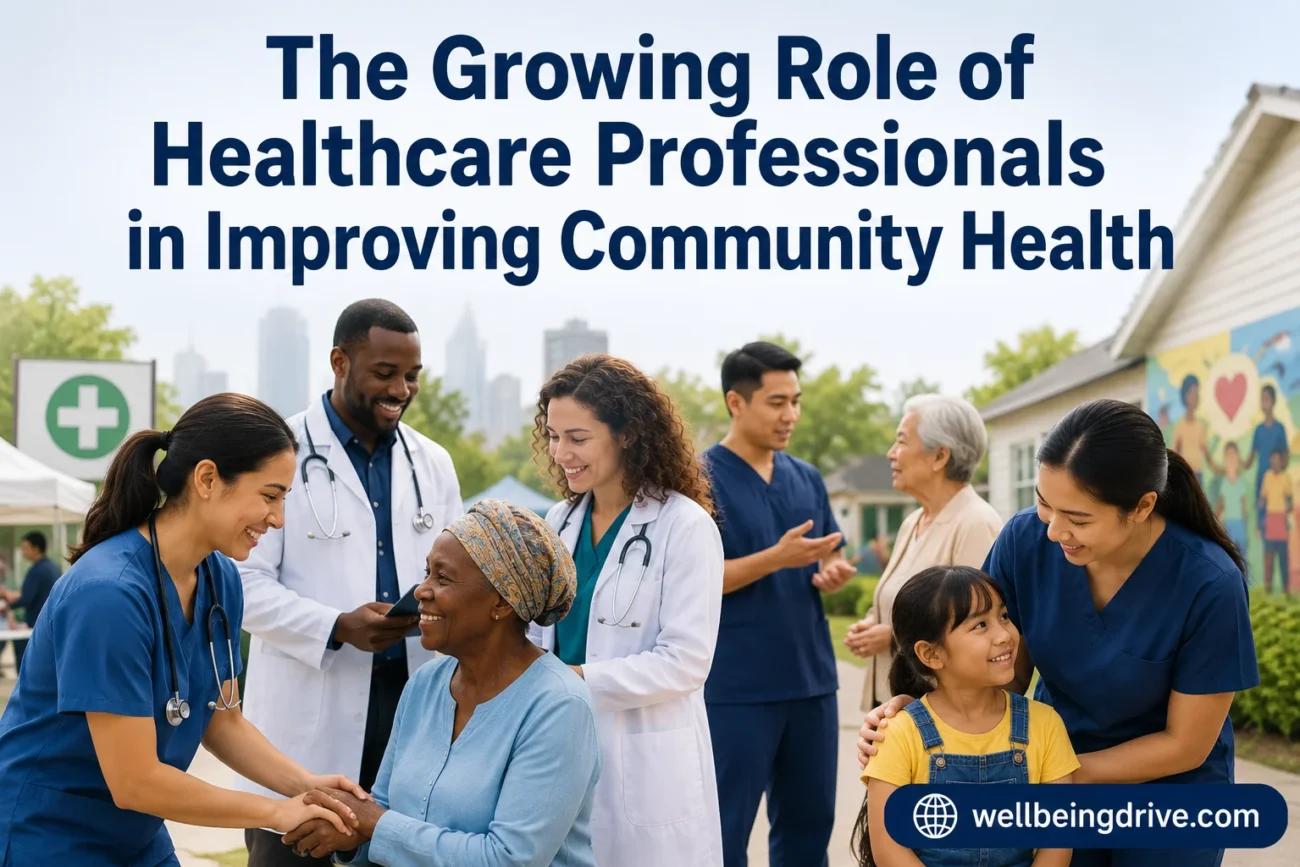
Community health is a key factor in improving overall well-being and quality of life. Healthy communities experience lower rates of preventable diseases, better access to healthcare services, and stronger support systems that help individuals maintain long-term wellness. As healthcare needs become more complex, the focus has expanded beyond treating illnesses to promoting prevention, education, and healthier living. This shift has increased the importance of community-based healthcare efforts that address both immediate medical concerns and long-term health outcomes.
Healthcare professionals are at the center of these efforts. Their responsibilities now extend beyond traditional clinical settings to include public health initiatives, patient education, wellness programs, and community outreach. By working closely with individuals, families, and local organizations, they help identify health challenges, improve access to resources, and encourage healthier behaviors.
Promoting Preventive Healthcare and Wellness
Preventive healthcare has become one of the most effective ways to improve community health outcomes. Rather than focusing only on treating illness, healthcare providers work to identify potential risks before they become serious concerns. They encourage routine screenings, vaccinations, regular checkups, and healthy lifestyle habits that support long-term well-being. By emphasizing prevention, they help reduce avoidable health complications while easing pressure on healthcare systems.
Beyond individual patient care, many providers contribute to community-wide efforts that promote healthier living. Nurses, in particular, play a central role in these initiatives because they often serve as the first point of contact for patients and community members. Their responsibilities frequently extend beyond clinical care to include health education, disease prevention, care coordination, and wellness advocacy. As healthcare systems place greater emphasis on prevention and population health, nurses are increasingly expected to take on leadership and decision-making responsibilities. To prepare for these evolving roles, many nurses pursue MSN nursing online programs to expand their knowledge while continuing to practice. This advanced education helps them strengthen their clinical expertise, develop leadership capabilities, and gain a deeper understanding of population health. As a result, they are better equipped to lead community health initiatives, enhance patient education efforts, and support strategies that promote long-term public well-being.
Improving Access to Health Education
Access to accurate health information is essential for making informed decisions. Healthcare professionals serve as trusted sources of knowledge, helping individuals understand medical conditions, treatment options, and healthy lifestyle practices. Their guidance allows community members to navigate complex health topics with greater confidence and make choices that support their well-being.
Health education also helps address misinformation, which can negatively affect public health efforts. Through community workshops, outreach programs, and patient consultations, healthcare professionals provide reliable information that promotes healthier behaviors. They help people understand the importance of preventive care, medication adherence, disease management, and available wellness treatments that may support overall well-being. As individuals gain access to accurate information, they become more confident in managing their health and making informed decisions for themselves and their families.
Supporting Underserved and Vulnerable Populations
Many communities continue to face barriers that limit access to healthcare services. Rural residents, low-income families, older adults, and underserved populations often experience challenges related to transportation, healthcare availability, and financial constraints. Healthcare professionals work to reduce these barriers by connecting individuals with essential services and advocating for more equitable healthcare access.
Community outreach efforts have become increasingly important in addressing health disparities. Healthcare professionals frequently partner with local organizations, schools, and public agencies to deliver resources and services where they are needed most. These initiatives may include health screenings, educational programs, and preventive care services designed specifically for vulnerable populations. By expanding access and addressing unmet needs, healthcare professionals help create healthier communities and improve overall public health outcomes.
Strengthening Community Health Through Collaboration
Healthcare professionals improve community health most effectively when they work with partners outside traditional care settings. Schools, local agencies, nonprofits, and public health departments all play important roles in identifying needs and delivering support. When these groups coordinate their efforts, they can reach more people and reduce gaps in care.
Collaboration also helps communities respond to health concerns more efficiently. For example, joint programs can support vaccination drives, nutrition education, mental health awareness, and chronic disease screening. These efforts allow healthcare professionals to share expertise while using local networks to connect residents with helpful services.
Leading Public Health and Community Health Programs
Healthcare professionals often take leadership roles in programs that promote safer and healthier communities. They are responsible for identifying priority health concerns and developing strategies that address the specific needs of local populations. They help plan health campaigns, organize outreach events, train teams, and evaluate results. Their clinical knowledge allows them to design practical programs that address real community needs rather than relying on general assumptions.
Strong leadership also matters during public health challenges. Healthcare professionals guide communication, support emergency response efforts, and help people understand prevention steps. Their ability to make informed decisions can improve trust, reduce confusion, and strengthen the overall impact of community health programs.
Using Technology to Enhance Community Health Outcomes
Technology has changed how healthcare professionals support communities. Telehealth, patient portals, mobile apps, and remote monitoring tools make it easier for people to access care and manage health concerns. These tools are especially useful for individuals who face transportation issues, busy schedules, or limited local healthcare options.
Digital systems also help healthcare teams identify patterns in community health. Data can show rising risks, service gaps, and populations that may need targeted support. When professionals use technology responsibly, they can improve communication, support early intervention, and deliver more timely care.
Building Healthier Communities for the Future
Healthcare professionals play a growing role in shaping healthier communities through prevention, education, outreach, leadership, and innovation. Their work helps people access reliable information, receive timely care, and make informed decisions about their well-being. These efforts can reduce health risks and improve long-term outcomes.
Stronger community health depends on continued collaboration between healthcare teams, public organizations, and residents. As needs evolve, healthcare professionals will remain essential to building practical solutions that improve access, strengthen prevention, and support healthier lives for individuals and families.
Disclaimer: WellbeingDrive provides health information for educational purposes only. Do not use this content as a substitute for professional medical advice. Consult your doctor before making health related decisions.