
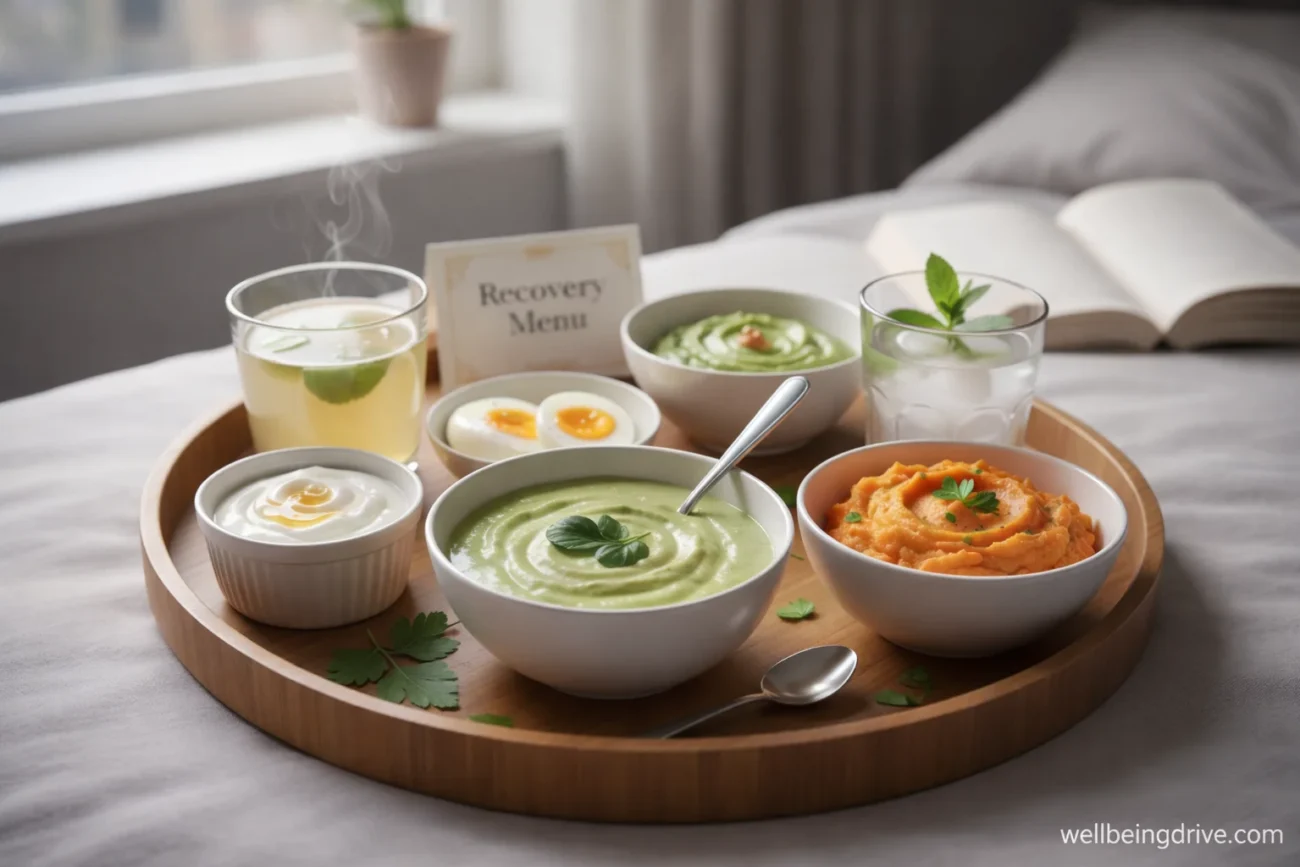
Waking up from dental surgery often brings a mix of relief and a specific kind of hunger. Whether you just had a wisdom tooth extraction, a dental implant placement, or a root canal, your first question is likely about what you can put in your mouth without causing pain or risking a complication like dry socket.
Finding the right soft foods to eat after dental surgery is more than just comfort; it is a critical part of the biological healing process that protects the surgical site and stabilizes the initial blood clot.
The first 24 to 48 hours are the most delicate for your mouth. During this window, your body is working overtime to initiate tissue regeneration and manage inflammation. By choosing the right nutrient-dense, soft-textured foods, you provide the building blocks for repair while avoiding mechanical trauma to your gums. This guide breaks down exactly what to eat, why certain nutrients matter, and how to navigate the recovery timeline with ease and flavor.
Soft foods to eat after dental surgery for a fast and safe recovery
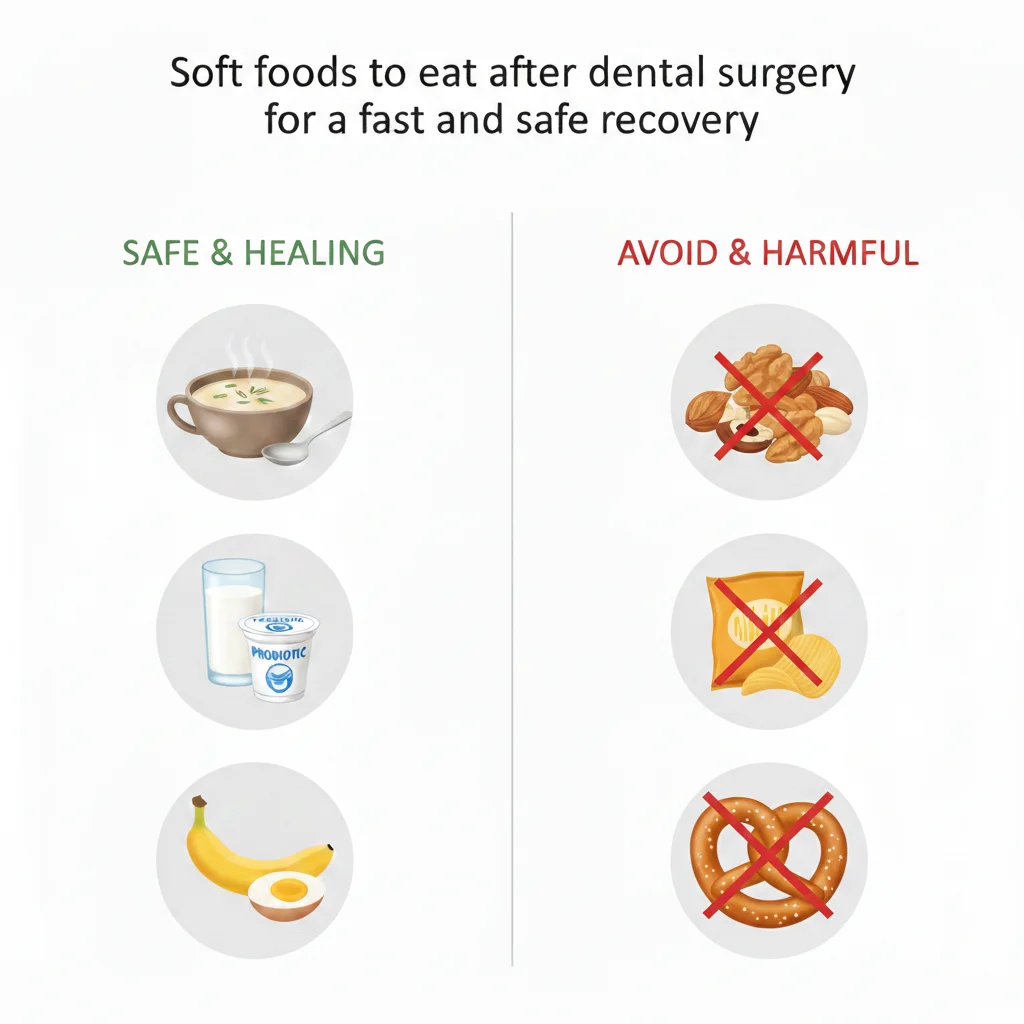
Choosing the right meals during your recovery is the most effective way to protect your delicate surgical site while fueling your body for a rapid recovery. Prioritizing food like mashed avocados, smooth Greek yogurt, and warm bone broth ensures your immune system has the building blocks necessary for efficient tissue regeneration.
By following a structured diet, you can significantly minimize the risk of complications such as dry socket or unwanted inflammation. Transitioning carefully from liquids to soft solids like scrambled eggs allows your healing tissue to stabilize, ensuring that you return to your normal routine without the setback of post-operative pain or infection.
Phase 1 The first 24 hours of liquid and ultra soft nourishment

Hydration with Coconut Water: This is an excellent choice because it contains potassium and magnesium to help your body recover from the stress of the procedure.
Healing with Bone Broth: Unlike standard chicken stock, bone broth is a powerhouse rich in amino acids and collagen, the fundamental components your body needs to rebuild gum tissue. Ensure the broth is at room temperature before consuming; the savory saltiness provides a welcome relief from sweet recovery foods.
Balancing with Greek Yogurt: Yogurt provides probiotics, which are essential if your dentist has prescribed a course of antibiotics. These active cultures help maintain your gut microbiome balance during the initial healing process.
Support with Smooth Applesauce: A classic staple that provides a gentle dose of Vitamin C, a key nutrient that supports collagen synthesis and immune function.
Phase 2 Days 3 to 7 Transitioning to soft solids

Once the initial swelling begins to subside, usually around the third day, you can begin introducing soft mechanical foods. These are foods that require very minimal chewing but offer more substance and calories to keep your energy levels up.
Scrambled eggs for high quality protein
Scrambled eggs are perhaps the perfect recovery food because they are soft, easy to swallow, and packed with high-quality protein and Vitamin A. They provide the essential building blocks for tissue regeneration without putting any mechanical stress on your healing gums.
Energy boosting mashed potatoes
As you move into this stage, mashed potatoes and sweet potatoes become your best friends. They are incredibly versatile and provide the complex carbohydrates needed for energy. To boost the nutritional profile, mix in a bit of butter or sour cream for healthy fats. Just ensure they are whipped to a completely smooth consistency to avoid any lumps that might require unintended chewing.
Savory options with fish and tofu
For those craving something savory, flaky white fish or silken tofu are excellent protein sources that disintegrate easily. Fish like cod or tilapia, when steamed or poached, can be gently flaked with a fork and require almost no effort to consume. This stage is about preventing recovery fatigue by diversifying your flavors while still respecting the fragility of your sutures.
The science of healing and nutrients your gums crave
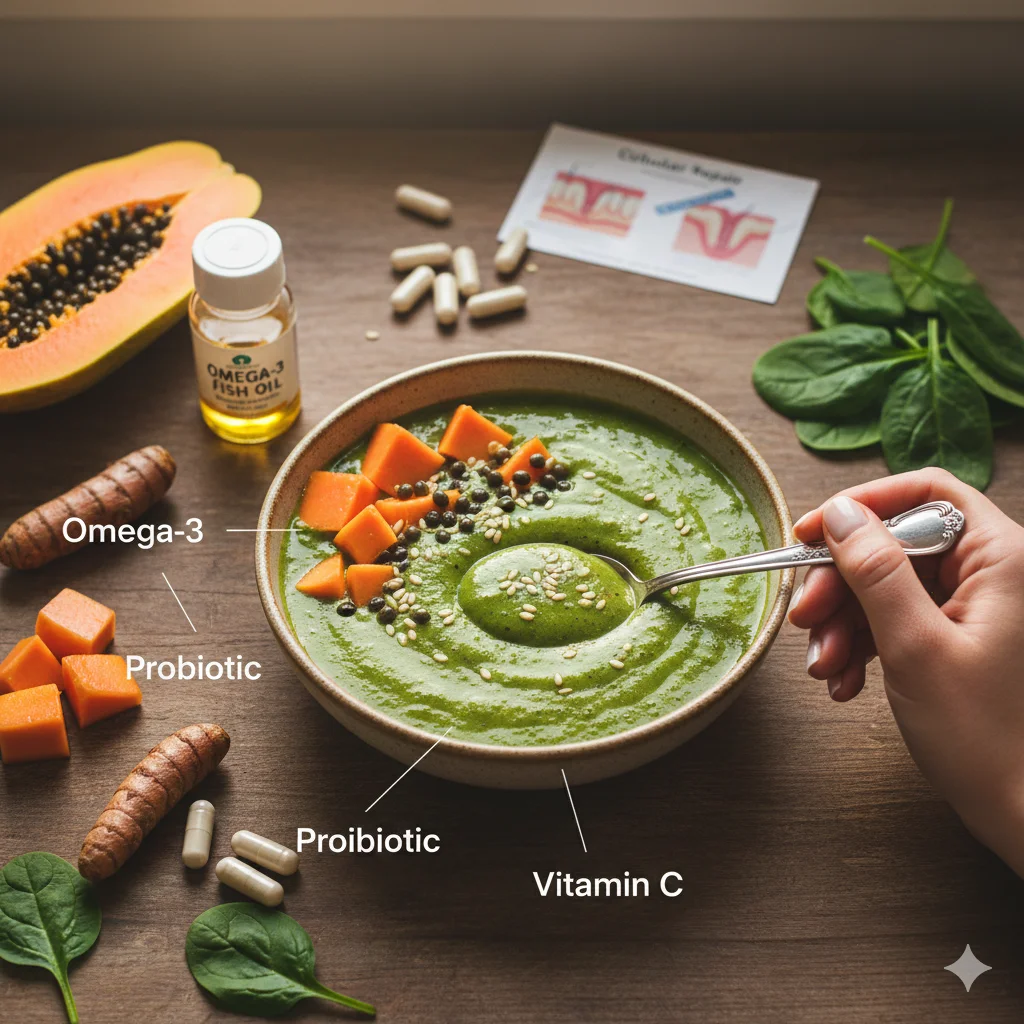
Healing is a resource-intensive process for your immune system. To speed up the closure of the surgical site, you need to focus on specific micronutrients. Zinc and Vitamin C are the dynamic duo of oral healing. Zinc helps with cell membrane stability and prevents the overgrowth of bacteria, while Vitamin C is the primary driver of the repair of the epithelial layer.
Omega-3 fatty acids, found in smashed avocado or finely flaked salmon, play a massive role in managing inflammation. Reducing the inflammatory response not only makes you more comfortable but also allows the blood vessels to deliver nutrients to the wound more efficiently. If you are struggling to eat enough, consider a high-calorie nutritional shake, but remember to drink it from a glass, not a straw.
“Nutrition is the often-overlooked third pillar of oral surgery recovery, alongside rest and hygiene. What you put in your body dictates how fast those tissues can knit back together.” — Clinical Nutrition Insight.
Beating food boredom and the mental side of recovery
It is common to feel frustrated or even slightly depressed after a few days of a restricted diet. Food boredom is a real hurdle that can lead people to cheat and eat something crunchy too early. To maintain your progress, you must address the psychological aspect of healing alongside the physical.
Varying temperatures and flavor profiles
To combat the monotony of a soft diet, focus on varying the temperatures and savory-to-sweet ratios of your meals. If you have been eating cold yogurt all day, a lukewarm bowl of creamy tomato soup can completely change your outlook and satisfy a different part of your palate. This variety keeps the eating experience engaging while your healing tissue recovers.
Using non-irritating spices for flavor
Don’t underestimate the power of spices that don’t irritate. While you must avoid chili flakes and black pepper, which can burn sensitive tissue and increase inflammation, you can use mild herbs like fresh parsley or dill. Turmeric is another fantastic addition; it is a natural anti-inflammatory and adds a beautiful color and earthy flavor to mashed cauliflower or soups without causing a stinging sensation at the surgical site.
Navigating social eating and isolation
Socializing can also be difficult during this time. If you are eating with others, try to prepare a meal that can be easily modified for you. For example, if the family is having pasta, overcook a portion of pastina or small noodles for yourself until they are very soft. Being able to sit at the table and share a meal helps reduce the feeling of isolation that sometimes comes with surgical recovery and keeps your immune system supported by positive social interaction.
Critical danger foods to avoid for safety
Knowing what to avoid is just as important as knowing the best soft foods to eat after dental surgery. The danger list comprises foods that can either physically damage the site or cause a painful chemical reaction. Spicy foods are at the top of the list because capsaicin can cause intense stinging and increase blood flow to the wound, potentially worsening swelling.
Crunchy and hard foods
Popcorn, chips, and nuts are strictly forbidden until your dentist gives the all-clear. Popcorn hulls are notorious for sliding under the gum line and causing painful infections or abscesses. Any food with a sharp edge can easily puncture the delicate healing tissue or dislodge your protective blood clot.
Small seeds and fragments
Fruits like raspberries, strawberries, or even sesame seeds on bread can get lodged in the extraction site. These tiny particles are difficult to remove without aggressive rinsing, which is not allowed in the early stages of recovery. Keeping the surgical site clear of these small irritants is vital for preventing post-operative complications.
Sticky and chewy items
Taffy, caramel, and even thick, gummy bread can stick to the surgical site and pull on the sutures. The mechanical force required to chew sticky foods creates unnecessary stress on the jaw and the wound. Stick to items that dissolve easily or require zero suction to move through the mouth.
Acidic and carbonated liquids
Orange juice, lemonades, and sodas can irritate the raw tissue and break down the early stages of the blood clot. The high acidity levels cause a stinging sensation that interferes with comfort and the epithelial repair process. Stick to neutral pH liquids like plain water or lukewarm herbal teas to keep the area calm.
Moving back to a normal diet with the fork tender test
As you enter the second week, you may feel ready to conquer a steak, but a gradual transition is safer. Use the fork-tender test to determine if a food is safe. If you can easily mash the food against the side of a bowl with a plastic fork, it is likely safe to eat. Start by chewing on the opposite side of your mouth from the surgery to minimize the risk of food particles entering the healing area.
If you experience any sharp pain, increased bleeding, or a foul taste in your mouth when you start eating firmer foods, stop immediately. These can be signs that the site isn’t quite ready or that a fragment of food has caused an irritation. It is always better to stay on the soft food diet for two extra days than to cause a complication that sets your recovery back by two weeks.
FAQs About Foods To Eat After Dental Surgery
Can I eat pancakes after wisdom tooth removal?
You can typically enjoy pancakes starting around day three or four, provided they are very soft and moist. Avoid adding any crunchy toppings like nuts or chocolate chips. It is best to cut them into very small pieces and use plenty of syrup to ensure they are easy to swallow without chewing.
Is coffee okay after dental surgery?
Yes, but with two major conditions. First, it must be lukewarm or iced; hot coffee can dissolve the blood clot. Second, do not use a straw if you are drinking iced coffee. If you are taking certain pain medications, be mindful that caffeine can sometimes increase heart rate or jitteriness.
What if I accidentally ate something crunchy?
If you accidentally bite down on something hard, gently rinse your mouth with warm salt water—do not scrub or spit forcefully. Check the area for any new bleeding or sharp pain. If the site feels fine and the bleeding doesn’t start, you likely escaped without damage, but return to your soft food diet immediately.
When can I stop eating only soft foods?
Most patients can begin transitioning back to a regular diet between 7 and 10 days after surgery. However, this depends entirely on the complexity of your procedure and your individual healing rate. Always wait until the swelling has completely subsided and you can move your jaw comfortably.
Are smoothies a good idea for recovery?
Smoothies are excellent for getting nutrients, but you must be careful with the ingredients. Avoid fruits with small seeds like blackberries or raspberries. Use a spoon to eat the smoothie rather than a straw to protect the surgical site from the pressure of suction.
Can I eat dairy-free if I am recovering from surgery?
Yes, if you are avoiding dairy, swap Greek yogurt for silken tofu or coconut-based yogurt. You can also get plenty of protein from creamy almond butter (mixed into oatmeal) or well-cooked lentils that have been blended into a smooth soup.
Is ice cream actually helpful for healing?
In the first 24 hours, the cold temperature of ice cream can help constrict blood vessels and reduce swelling. However, avoid flavors with chunks, cookies, or nuts. Stick to plain vanilla or chocolate and eat it with a spoon to soothe the surgical area.
Conclusion
Recovering from dental surgery is a marathon, not a sprint. By prioritizing soft foods to eat after dental surgery that are rich in protein, vitamins, and minerals, you are actively participating in your own healing. Focus on the first 24 hours of cooling liquids, move into nutrient-dense soft solids by day three, and always prioritize the safety of the blood clot by avoiding straws and irritants. With a little bit of planning, you can maintain your energy and spirits while your mouth does the hard work of repair.
Disclaimer: The content on Wellbeingdrive is for informational purposes only and not a substitute for professional advice. Always consult a qualified expert for health concerns.