
Concerns about everyday ingredients spread quickly, especially when people see warning labels or hear alarming claims online. One topic that often sparks questions is the psyllium husk cancer warning, leaving many unsure whether this common fiber ingredient is safe. The discussion usually comes from confusion, misinterpreted information, or concern about product quality rather than the ingredient itself.
Understanding where these warnings originate can help reduce fear and bring clarity. Psyllium husk is widely used, so it is natural for people to question any risks connected to it. This article breaks down what the warning refers to, why it exists, what influences the safety of psyllium husk, and how myths spread so easily. The goal is to give a clear and simple explanation without exaggeration or unnecessary worry.
Why People Search for Psyllium Husk Cancer Warning
People often look for the psyllium husk cancer warning because they encounter the topic in unexpected places. A label, an online conversation, or a shared image can spark concern quickly. Since many individuals use psyllium husk for digestive health, any mention of cancer risk leads to immediate questions.
Common triggers include:
- Seeing warning labels on certain products
- Reading snippets of scientific discussions taken out of context
- Hearing rumors online
- Wondering about impurities in supplements
- Seeing psyllium included in legal warning categories in some regions
- Confusion about natural products and manufacturing processes
All these factors create the impression that psyllium husk may carry dangerous risks, even though the actual concern usually relates to product quality, not the fiber itself.
What Psyllium Husk Actually Is
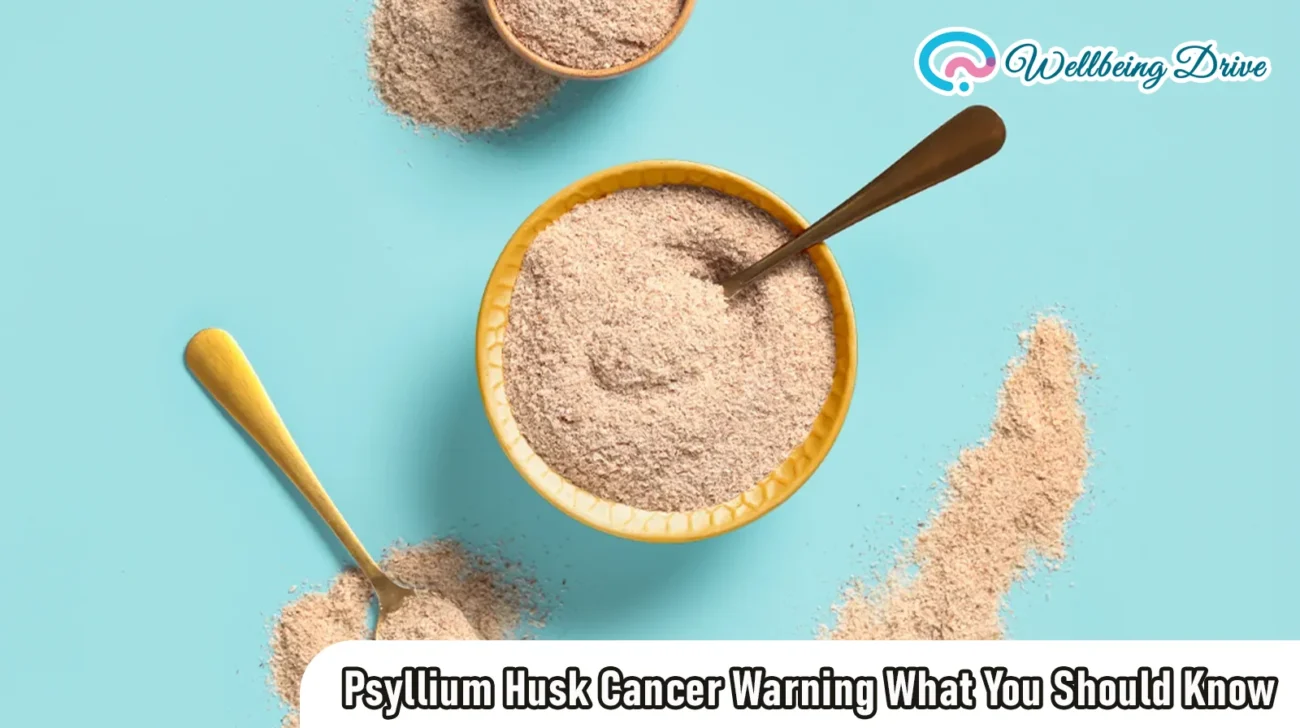
Psyllium husk is a natural fiber made from the seeds of the Plantago ovata plant. It is valued because of its ability to absorb water and form a gel like texture. People often encounter it in:
- Fiber powders
- Digestive support supplements
- Certain foods
- Baking products
- Nutritional blends
Despite being natural, psyllium husk can vary widely in purity. Since it is a plant derived ingredient, its safety depends heavily on how it is grown, harvested, processed, and packaged. This is where most concerns surrounding the psyllium husk cancer warning come from.
Understanding the Psyllium Husk Cancer Warning
The psyllium husk cancer warning does not come from psyllium itself being proven as a cancer causing ingredient. Instead, the topic usually appears for three main reasons:
Concerns About Contamination
Products sourced or processed in uncontrolled environments may contain impurities. These impurities, not the psyllium, may trigger regulatory warnings.
Misinterpreted Safety Labels
Certain regions require companies to include broad warnings if there is even a small chance of contamination in plant based ingredients.
Online Misinformation
Discussions on forums or social platforms often combine unrelated facts, creating confusion about the actual risk.
In short, the warning is more about the possibility of product contamination than the natural fiber itself.
Does Psyllium Husk Have a Cancer Risk
There is no widely accepted evidence that psyllium husk by itself causes cancer. Most concerns are connected to external factors such as:
- Impure batches
- Environmental contaminants
- Low grade manufacturing
- Poor storage conditions
- Added ingredients mixed with the fiber
The psyllium plant itself is not known to contain substances directly linked to cancer. However, variation in quality from one product to another is the real source of concern, which leads to the appearance of the term psyllium husk cancer warning.
Why Some Psyllium Products Carry Cancer Related Warnings
Some products may display cautionary statements or warnings for reasons unrelated to the core ingredient. These warnings often relate to regulations rather than proven risk.
Manufacturing Conditions
Factories that produce a wide range of products may need warnings due to potential cross exposure.
Trace Impurities
If small levels of contaminants are found during testing, labels may require warnings even when risk is low.
Regional Laws
Certain states or regions require warning labels for a broad range of substances, even in tiny amounts.
Misunderstood Packaging Notes
Labels meant for manufacturing compliance may be misread as direct cancer claims.
These warnings do not necessarily indicate that psyllium husk itself is harmful.
Factors That Influence Psyllium Husk Safety
Even though psyllium is natural, like any plant product, its safety depends on several factors:
Source Quality
Where and how the plant is grown affects purity.
Processing Practices
Grinding, packaging, and storage can influence contamination levels.
Type of Facility
Shared facilities may increase exposure to unwanted materials.
Additives
Some psyllium products include artificial flavors, sweeteners, or preservatives.
Packaging
Low quality packaging may expose the product to moisture or other factors.
Understanding these influences helps explain why warnings exist even if the ingredient itself is not the direct issue.
Myths About Psyllium Husk Cancer Warning
The topic comes with several myths, often repeated until they seem true. Clearing up these misunderstandings helps people make informed decisions.
Myth 1: Psyllium Husk Naturally Causes Cancer
There is no widespread evidence supporting this claim.
Myth 2: All Psyllium Products Are Dangerous
Quality varies, which is why some products receive more scrutiny.
Myth 3: Warning Labels Always Confirm High Risk
Many warnings exist due to legal requirements rather than proven danger.
Myth 4: Natural Ingredients Cannot Have Any Safety Issues
Natural products can still become contaminated during processing.
Myth 5: Viral Posts Represent Scientific Consensus
Online discussions often magnify fear without accurate context.
These myths fuel confusion and keep the topic trending.
Signs of Poor Quality Psyllium Husk Products
Since the psyllium husk cancer warning often relates to quality, recognizing potential problems helps people understand the risk clearly, without medical interpretation.
Signs of poor quality include:
- Strong or unusual odor
- Gray or inconsistent coloring
- Very low cost that seems suspicious
- Lack of clear labeling
- Unusual residue
- Packaging without transparency about origin
These indicators do not confirm danger but suggest that the product may not be handled with proper care.
How the Psyllium Husk Cancer Warning Spread Online
The topic became popular online because of how easily health concerns go viral. Several factors contributed:
Screenshots Shared Out of Context
Images of labels and warnings circulate without explanations.
Combined Claims From Different Sources
People often mix unrelated information into a single claim.
Lack of Clear Guidance From Manufacturers
When companies are vague, consumers fill the gaps with speculation.
Forum Discussions
Long threads of personal opinions get confused with factual reports.
Fear Driven Sharing
People share warnings quickly to protect others, even if the details are uncertain.
These elements make the topic seem more alarming than it really is.
Why People Confuse Fiber Safety With Cancer Risks
The association between psyllium husk and cancer often reflects broader concerns about food and supplement safety. Many people worry that anything processed or packaged may contain hidden dangers. This worry becomes stronger when labels include legal warnings that look frightening.
Additionally, plant based products can be misunderstood because the average person does not know how they are grown or processed. When uncertainty meets legal caution labels, confusion spreads.
The psyllium husk cancer warning is one example of how misunderstanding grows faster than actual risk.
General Understanding of Psyllium Husk Safety
Even though warnings exist in certain contexts, psyllium husk is widely used around the world. Many people consume it daily through foods, powders, or baking blends. Reaction to the ingredient varies by individual, but widespread danger is not a common concern.
Safety discussions usually focus on:
- Product purity
- Manufacturing standards
- Quality control
- Country of origin
Understanding that these factors matter more than the ingredient itself helps clarify the situation.
FAQs About Psyllium Husk Cancer Concerns
No. There is no widespread scientific evidence linking psyllium husk itself to cancer. It is generally considered safe when used as directed.
Warning labels often relate to manufacturing or packaging laws, or trace contamination concerns—not the safety of psyllium as an ingredient.
No. These warnings usually reflect product purity or environmental exposure issues rather than any confirmed cancer risk from psyllium itself.
Online conversations often stem from viral posts, misunderstood labels, or incomplete information that leads to unnecessary worry.
Safety varies by brand and manufacturer. High-quality, well-processed products are safest. Always choose reputable sources.
Impurities can arise from poor handling, environmental contamination, or low-quality processing during manufacturing.
Most concerns stem from misinformation rather than confirmed scientific evidence. For most users, psyllium is safe when used responsibly.
Final Thoughts
The psyllium husk cancer warning often sounds alarming, but the concern usually comes from misunderstandings rather than proven danger. The warnings associated with some products focus on contamination, manufacturing conditions, or legal requirements—not the psyllium plant itself.
Most discussions emphasize the importance of product quality and purity rather than suggesting that psyllium husk directly causes cancer. By understanding the root of the warning, people can separate fact from fear and avoid unnecessary worry.
Clear information helps bring balance to a topic often complicated by myths, confusion, and vague labels.
Disclaimer: The content on Wellbeingdrive is for informational purposes only and not a substitute for professional advice. Always consult a qualified expert for health concerns.