
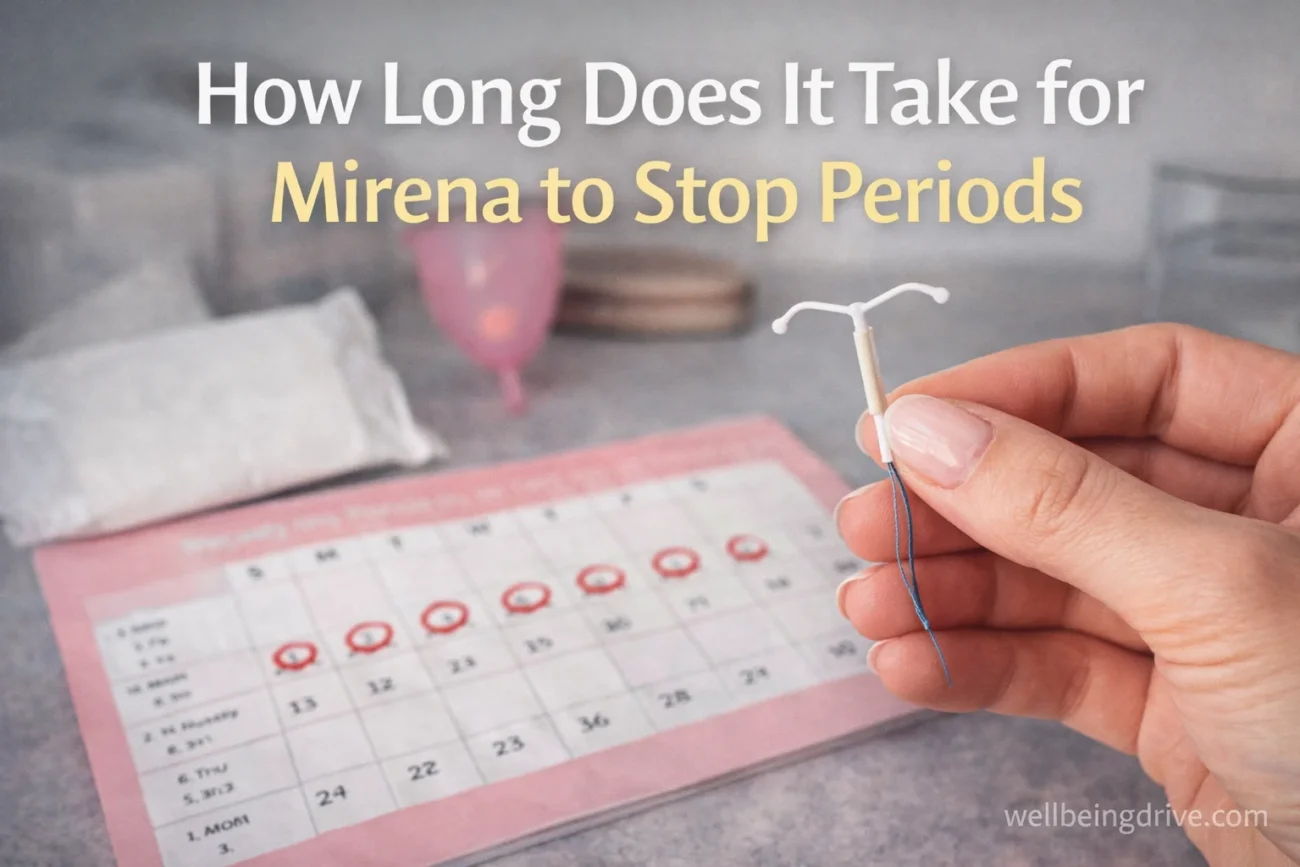
If you are wondering how long does it take for mirena to stop periods, the typical answer is that bleeding patterns usually change gradually, with many people noticing lighter periods within the first few months and some experiencing little to no bleeding after about 6 to 12 months. This timeline varies because each body responds differently to the hormone released by the device.
Understanding what happens during the adjustment phase can make the experience far less stressful. This guide explains how Mirena affects the menstrual cycle, what changes are normal, and what to expect month by month so you feel informed and reassured.
Quick Answer: Mirena Period Timeline
A brief overview of how bleeding typically changes after insertion, including the average timeframe for lighter or absent periods.
This section helps set realistic expectations from the start.
Average Time for Periods to Stop
For many users, periods do not stop immediately. Instead, bleeding often becomes lighter over time. By around six months, some people notice very minimal bleeding, and by one year, a portion may stop having periods altogether.
What Most People Experience
The most common pattern includes irregular spotting early on, followed by reduced flow. Some continue to have light cycles, while others experience menstrual suppression.
Why Results Vary
Hormonal sensitivity, uterine lining response, and natural cycle differences all influence how quickly changes occur. Variation is normal and expected.
How Mirena Works to Affect Periods
Explains how the hormone released by Mirena thins the uterine lining and influences menstrual flow.
Understanding the mechanism helps clarify why bleeding patterns change.
Hormone Release Explained
Mirena releases levonorgestrel, a form of progesterone. This hormone acts locally within the uterus and helps regulate the menstrual cycle.
Effect on the Uterine Lining
The hormone causes the endometrium to become thinner. Because periods occur when the lining sheds, a thinner lining results in lighter bleeding.
Why Bleeding Becomes Lighter or Stops
Over time, the lining may remain very thin, which means there is little or nothing to shed. This is why some people eventually stop having periods while using Mirena.
Mirena Bleeding Pattern Month by Month
Breaks down what many people experience in the first weeks and months after insertion.
A timeline view helps you see how changes usually progress over time.
First Month After Insertion
During the first few weeks, spotting or irregular bleeding is common. The body is adjusting to the new hormone levels, and cycles may feel unpredictable.
Months Two to Three
Bleeding patterns often remain irregular but may start to lighten. Some people notice shorter periods or less flow compared to before.
Months Three to Six
This stage is often called the adjustment phase. Many users see clearer improvements, including lighter periods and fewer days of bleeding.
Six Months and Beyond
By this point, cycles often stabilize. Some individuals experience only occasional spotting, while others stop having periods completely.
What Is Considered Normal Bleeding
Describes common patterns like spotting, irregular cycles, and lighter flow.
This helps reassure you about what is typically expected during adjustment.
Light Spotting
Small amounts of spotting between cycles are common in the first months. This does not usually indicate a problem.
Irregular Cycles
Cycles may not follow a predictable schedule initially. Over time, they often become lighter and less frequent.
Reduced Flow
Many users experience lighter periods even if bleeding does not stop completely. This is a normal effect of hormonal IUDs.
Why Some People Stop Periods Completely
Explores how hormonal sensitivity and uterine lining response can lead to menstrual suppression.
It highlights why absent periods can be a normal outcome for some users.
Hormonal Sensitivity
Some bodies respond strongly to levonorgestrel, leading to more pronounced thinning of the uterine lining.
Endometrial Response
If the lining remains consistently thin, there may be little or no shedding, resulting in absent periods.
Individual Body Differences
Every person has a unique hormonal environment, which is why experiences vary widely.
Why Some People Continue to Have Periods
Explains why certain individuals still experience light or regular cycles.
This section emphasizes that continued bleeding does not mean Mirena is ineffective.
Hormonal Variation
Not everyone responds to the hormone in the same way. Some still experience light but regular cycles.
Body Adjustment Timeline
In some cases, it may take longer for bleeding patterns to change. Patience during the adjustment phase is important.
Underlying Cycle Patterns
People with naturally regular cycles may continue to bleed lightly, even after several months.
Factors That Affect How Quickly Periods Stop
Covers influences like age, hormone levels, and previous cycle patterns.
These factors help explain why timelines differ from person to person.
Age and Hormonal Balance
Hormonal levels change throughout life, which can influence how the body reacts to Mirena.
Previous Cycle Patterns
People with heavy or irregular periods before insertion may notice more dramatic improvements.
Overall Health
Lifestyle, stress levels, and general health can influence menstrual changes.
Benefits of Period Changes With Mirena
Highlights advantages such as reduced cramps, lighter bleeding, and improved daily comfort.
It shows how menstrual changes can positively impact overall well being.
Reduced Pain and Cramps
Lighter bleeding often leads to less discomfort, which can improve daily comfort and activity levels.
Less Blood Loss
Reduced flow can help prevent fatigue related to heavy periods and improve overall well being.
Improved Quality of Life
Many users appreciate the convenience of fewer or lighter periods, especially those with busy schedules.
Potential Side Effects During Adjustment
Discusses common temporary effects like spotting and mild hormonal symptoms.
Knowing what may occur helps you prepare for the adjustment phase
Spotting and Irregular Bleeding
This is the most common side effect and usually improves after the first few months.
Hormonal Symptoms
Some individuals experience mild mood or skin changes as the body adapts.
When Symptoms Usually Improve
Most side effects lessen by the six month mark as hormone levels stabilize.
When to See a Doctor
Outlines warning signs such as heavy bleeding or severe pain that require medical advice.
This ensures you know when changes may need professional evaluation.
Heavy Bleeding
Bleeding that soaks through products quickly or lasts longer than expected may require evaluation.
Severe Pain
Persistent or severe discomfort should always be discussed with a healthcare professional.
Bleeding After Long Absence
If periods return suddenly after being absent, it may be helpful to seek advice.
Mirena vs Other Hormonal IUD Experiences
Compares general bleeding patterns across hormonal IUD types.
It provides context on how experiences can be similar or slightly different.
Similarities in Bleeding Changes
Most hormonal IUDs reduce bleeding over time due to similar mechanisms.
Differences in Hormone Levels
Variation in hormone dose may affect how quickly periods lighten or stop.
Emotional and Lifestyle Impact
Looks at how period changes can affect confidence, routines, and daily life.
This section acknowledges both physical and emotional adjustments.
How Period Changes Affect Daily Life
Lighter or absent periods can reduce stress related to scheduling and discomfort.
Managing Expectations
Understanding that adjustment takes time helps prevent unnecessary worry.
Building Confidence in the Adjustment Phase
Tracking changes can provide reassurance and help you see gradual progress.
Common Myths About Mirena and Periods
Clears up misconceptions about immediate results and absent periods.
Understanding myths helps reduce anxiety and confusion.
Myth: Periods Stop Immediately
Most users experience gradual changes rather than instant results.
Myth: No Periods Means Something Is Wrong
Absent periods with Mirena are usually normal and safe.
Myth: Everyone Stops Bleeding
Experiences vary widely, and some people continue to have light cycles.
Tips for Managing Irregular Bleeding
Offers practical ways to track changes and stay comfortable during the transition.
These simple strategies support a smoother adjustment experience.
Tracking Your Cycle
Keeping a record of bleeding patterns helps identify improvements over time.
Using Period Products Comfortably
Choosing products that suit lighter or irregular flow can make the transition easier.
Lifestyle Support
Balanced nutrition, rest, and stress management may help support hormonal balance.
Conclusion
Understanding how long does it take for mirena to stop periods helps set realistic expectations and reduces uncertainty. Most people notice gradual improvements within the first few months, with lighter periods or possible menstrual suppression over time.
The key takeaway is that variation is normal. Paying attention to your body, tracking changes, and seeking guidance when needed ensures a confident and informed experience.
FAQS
Can periods return after stopping with Mirena
Yes, cycles may return if the hormonal effect changes or after removal, and they often resume their natural pattern.
Does Mirena affect fertility long term
Fertility typically returns to normal soon after removal for most individuals.
Is spotting normal after a year
Occasional spotting can happen, but persistent or heavy bleeding should be discussed with a professional.
Can lifestyle affect how Mirena works
Stress, health, and hormonal balance can influence how quickly bleeding patterns change.
Do all hormonal IUDs stop periods
Not all users experience complete suppression, though most notice lighter bleeding over time.
Disclaimer: The content on Wellbeingdrive is for informational purposes only and not a substitute for professional advice. Always consult a qualified expert for health concerns.