
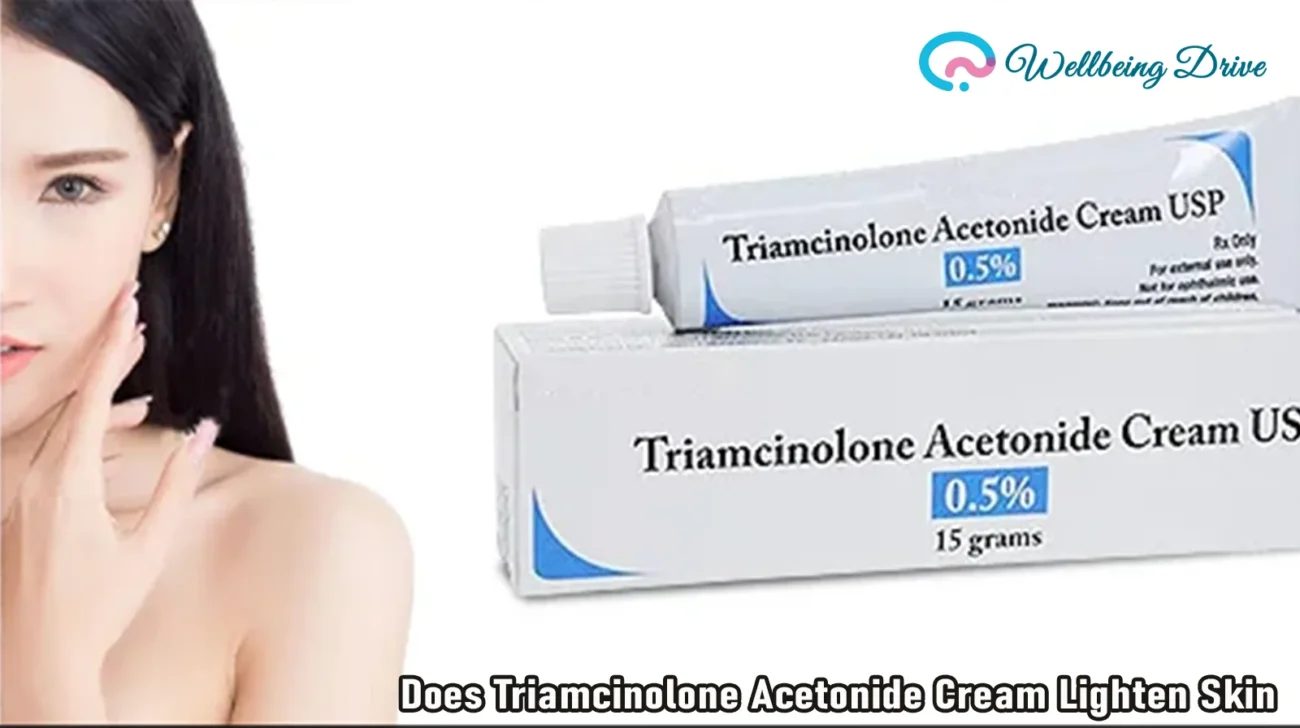
Many people wonder, does Triamcinolone Acetonide cream lighten skin? This question often arises because some users notice lighter patches after using it. However, the real answer is that Triamcinolone Acetonide cream is not a skin lightening or bleaching product. It is a topical corticosteroid medication designed to reduce inflammation, swelling, and itching caused by various skin conditions.
While it may sometimes cause the skin to appear lighter in treated areas, this is not its intended purpose. The lightening effect can happen due to changes in pigmentation caused by the steroid, and not because it is meant to brighten the skin. To understand this better, let’s explore what this cream actually does, how it affects the skin, and how to use it safely.
What Is Triamcinolone Acetonide Cream
Triamcinolone Acetonide cream is a prescription medication used to treat several inflammatory skin problems such as eczema, dermatitis, allergic rashes, psoriasis, and itching. It belongs to a class of medicines called corticosteroids, which work by reducing the body’s immune response in the skin to calm irritation and redness.
When applied correctly, it helps relieve discomfort, swelling, and inflammation, giving visible relief from rashes and irritation. Because it reduces redness and swelling, the treated skin may appear smoother or lighter, but that is only a temporary reaction.
How Triamcinolone Acetonide Cream Works
This cream works by lowering the production of substances in the skin that trigger inflammation. When inflammation goes down, the affected area feels less itchy, swollen, or irritated.
Triamcinolone Acetonide penetrates the outer skin layer and binds to steroid receptors inside cells. This slows down the release of inflammatory chemicals and reduces the body’s reaction to allergens or irritants.
As the inflammation fades, the skin often looks clearer and brighter. This leads some people to think that it lightens the skin. In reality, the improved appearance is a result of reduced redness, not bleaching or whitening.
Does Triamcinolone Acetonide Cream Lighten Skin
The short answer is no, Triamcinolone Acetonide cream does not lighten skin intentionally. It is a medical treatment, not a cosmetic product. However, some users may notice lightened or pale patches on areas where the cream is used for a long time.
This happens because corticosteroids can affect melanin production — the pigment that gives skin its natural color. When melanin activity decreases, small areas may become lighter than the surrounding skin. This is called hypopigmentation.
The effect can be temporary or, in some cases, take months to return to normal. It is not uniform lightening like whitening creams produce but rather a side effect that appears in certain spots.
Why Skin May Appear Lighter After Using Triamcinolone
There are several reasons why the skin might seem lighter during or after using Triamcinolone Acetonide cream.
1. Reduced Inflammation
Inflamed or irritated skin often appears darker or redder. When the inflammation subsides, the skin tone returns to its normal color or looks lighter in comparison.
2. Decreased Melanin Activity
Corticosteroids can temporarily reduce melanin production in the treated area, leading to patches that look paler.
3. Skin Thinning
Overuse of steroid creams can cause the outer layer of skin to thin, making it appear lighter, fragile, or shiny.
4. Lack of Proper Moisture
Some people experience dryness or scaling, which can reflect light differently and make the skin appear brighter.
These effects depend on the strength of the cream, how often it is used, and the individual’s skin sensitivity.
Common Uses of Triamcinolone Acetonide Cream
Triamcinolone is prescribed for several skin conditions that involve inflammation or itching. These include:
- Eczema and atopic dermatitis
- Allergic skin reactions
- Contact dermatitis
- Psoriasis
- Insect bite reactions
- Rash and redness
It helps calm the skin quickly, making it an effective short-term treatment for flare-ups. However, it should not be used as a daily cosmetic product.
Common Side Effects of Triamcinolone Acetonide Cream
Like other corticosteroid creams, Triamcinolone Acetonide can cause side effects if used incorrectly or for a long time. Some of the most common include:
- Mild burning or itching at the site of application
- Dryness or peeling
- Skin thinning with prolonged use
- Stretch marks, especially on thin areas of skin
- Visible small blood vessels
- Temporary light or dark patches (changes in pigmentation)
If the cream is used for months or on large areas, the risk of side effects increases. That is why it is essential to follow your doctor’s guidance on how long and how often to use it.
How to Use Triamcinolone Cream Safely
Triamcinolone Acetonide should always be used according to a doctor’s prescription. Using it properly ensures safety and effectiveness.
Application Guidelines
- Apply a thin layer of the cream to the affected area once or twice a day.
- Gently rub it in until absorbed.
- Wash your hands after each application.
- Do not cover the treated area unless advised by your doctor.
Usage Precautions
- Avoid applying it on the face, armpits, or groin unless specifically prescribed.
- Do not use it longer than directed.
- Avoid using it for cosmetic skin lightening or to even out skin tone.
- Store it away from heat and direct sunlight.
Proper use ensures that the cream treats your condition without causing unnecessary changes to your skin color or texture.
Who Should Avoid Using Triamcinolone Cream
While it is safe when prescribed, some people should use this cream with extra care or avoid it altogether.
- Those with fungal or bacterial skin infections
- People allergic to corticosteroids
- Pregnant or breastfeeding women without medical advice
- Anyone with acne, rosacea, or open wounds
- Children under medical supervision only
Using it incorrectly in these conditions may worsen symptoms or cause unwanted side effects, including pigmentation changes.
Can Triamcinolone Be Used on the Face
Facial skin is thinner and more sensitive than the rest of the body. Using Triamcinolone Acetonide cream on the face without guidance can cause irritation, thinning, and discoloration.
Doctors sometimes prescribe it for short-term use on small facial areas, but only under close supervision. Continuous application on the face can lead to lighter patches, increased sensitivity, or visible veins. Always follow medical instructions carefully.
Difference Between Skin Lightening and Hypopigmentation
It is important to distinguish between skin lightening and hypopigmentation.
- Skin lightening refers to intentionally reducing melanin for cosmetic reasons using bleaching agents.
- Hypopigmentation occurs when pigment cells are damaged or suppressed by steroids, leading to pale or white spots.
Triamcinolone Acetonide cream does not function as a bleaching product. Any lightening effect is a medical side effect and not a beauty result.
How to Care for Skin After Using Triamcinolone
If you notice lighter patches or dryness after using Triamcinolone Acetonide cream, proper skincare can help your skin recover.
- Use a mild, non-irritating moisturizer daily.
- Avoid harsh soaps or scrubs.
- Protect your skin from direct sunlight.
- Never try to balance color differences with additional cream use.
- Let the skin heal naturally over time.
With proper care, pigmentation usually improves as the skin regenerates.
Safer Alternatives for Skin Brightening
If your goal is brighter or more even-toned skin, consider gentle and natural alternatives rather than using steroid creams.
- Vitamin C-based serums for natural glow
- Niacinamide for brightening and reducing dullness
- Aloe vera and honey for soothing and hydrating
- Sunscreen to prevent tanning and dark spots
These methods nourish your skin safely without the risk of damage or side effects.
When to Contact a Doctor
Consult a healthcare professional immediately if you experience any of the following while using Triamcinolone Acetonide:
- Burning or severe itching
- Worsening redness or rash
- Noticeable white or dark patches
- Signs of infection such as pus or swelling
- Persistent thinning of the skin
Your doctor may suggest reducing usage, switching to a milder cream, or stopping it completely.
FAQs About Triamcinolone Acetonide Cream
No. Any lightening that occurs is usually temporary and caused by reduced pigmentation. Skin tone often returns to normal after discontinuing use.
No. This cream is not meant for spot treatment or skin whitening. It should only be used for inflammatory skin conditions as prescribed by a doctor.
Only if directed by a healthcare provider. Overuse on the face can lead to irritation, thinning, or discoloration of the skin.
This may occur due to reduced melanin production or mild skin thinning — both common side effects of topical steroid creams.
Stop using the cream under medical guidance, keep your skin moisturized, protect it from sun exposure, and allow time for natural recovery.
Final Thoughts
So, does Triamcinolone Acetonide cream lighten skin? Not intentionally. It is designed to treat inflammation, not to change skin color. Any lightening that occurs is a side effect of how the medication interacts with pigmentation cells.
Using it responsibly under a doctor’s direction ensures that it provides relief without harming your skin. It is never safe or effective to use Triamcinolone or any steroid cream for cosmetic lightening. Healthy, natural skin care and professional advice are always the best approaches for glowing, even-toned skin.
Disclaimer: The content on Wellbeingdrive is for informational purposes only and not a substitute for professional advice. Always consult a qualified expert for health concerns.