
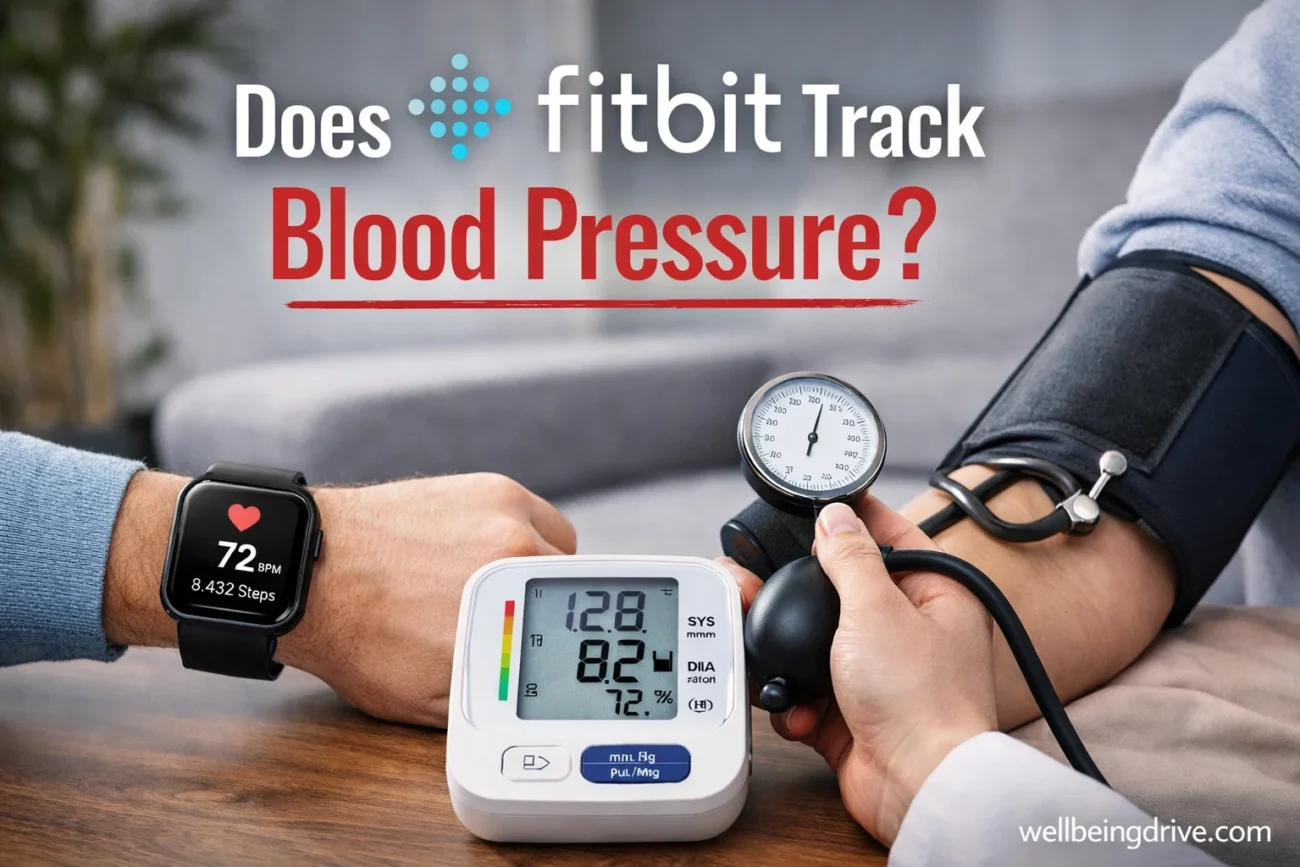
Wearable technology has transformed how people track their health, making it easier to monitor daily activity, heart rate, and sleep patterns. As smartwatches become more advanced, many users wonder whether they can also replace traditional medical tools.
That’s why the question does fitbit track blood pressure is searched so often. People want to know if their smartwatch can provide accurate blood pressure insights or if separate devices are still necessary.
Understanding what Fitbit can and cannot do helps set realistic expectations and ensures users rely on the right tools for health monitoring.
Quick Answer: Can Fitbit Measure Blood Pressure
Fitbit devices do not currently measure blood pressure directly. While they track several health metrics, blood pressure monitoring requires specialized hardware not built into most wearable devices.
However, users can manually log blood pressure readings in the companion app, allowing them to keep health data organized alongside other wellness metrics.
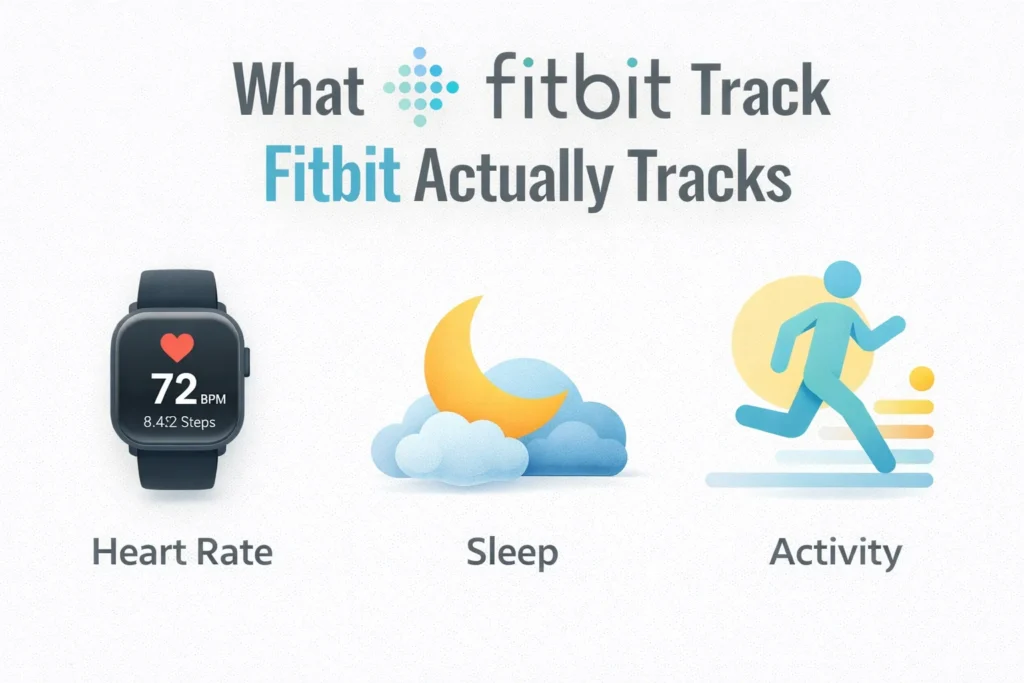
What Health Metrics Fitbit Actually Tracks
Fitbit devices are designed to provide a broad overview of daily health and fitness. They focus on continuous monitoring of lifestyle indicators rather than clinical measurements.
Heart Rate Monitoring
Fitbit uses optical sensors to track heart rate throughout the day. This data helps estimate fitness levels, calorie burn, and activity intensity.
Sleep Tracking
Sleep tracking analyzes movement and heart rate patterns to estimate sleep stages and overall rest quality.
Stress and Activity Metrics
Additional metrics such as stress management scores, step counts, and activity minutes provide a holistic picture of overall wellness.
Why Blood Pressure Is Different From Heart Rate
Blood pressure and heart rate are often confused, but they measure different aspects of cardiovascular health. Heart rate reflects how fast the heart beats, while blood pressure measures the force of blood against artery walls.
Accurate blood pressure readings typically require a cuff that applies pressure to the arm. Optical sensors used in smartwatches cannot yet replicate this method reliably.
This is why blood pressure monitoring remains separate from most wearable health tracking features.
Fitbit Models and Blood Pressure Capabilities
While Fitbit devices continue to evolve, none currently include built in blood pressure measurement. Some models focus on heart health through features like heart rate variability and irregular rhythm notifications.
These features support general wellness monitoring but are not substitutes for clinical blood pressure devices. Understanding this distinction is IMPORTANT when evaluating smartwatch capabilities.
Can You Log Blood Pressure Manually on Fitbit
Users who monitor blood pressure with a separate device can record their readings manually within the Fitbit ecosystem. This allows them to track trends alongside activity and sleep data.
Manual logging helps create a more comprehensive health overview, especially for individuals managing conditions such as hypertension.
Fitbit Blood Pressure Research and Future Technology
Research into wearable blood pressure monitoring continues to grow. Advances in sensor technology and machine learning may eventually enable cuffless measurement methods.
Fitbit has participated in studies exploring these possibilities, indicating that future devices could expand their health tracking capabilities. However, such features remain in development rather than everyday use.
Accuracy and Limitations of Wearable Health Tracking
Wearable devices provide valuable insights but are not designed to replace medical equipment. Consumer technology focuses on trends and patterns rather than diagnostic precision.
Factors such as device placement, movement, and skin tone can influence sensor readings. For medical decisions, traditional blood pressure monitors remain the most reliable option.
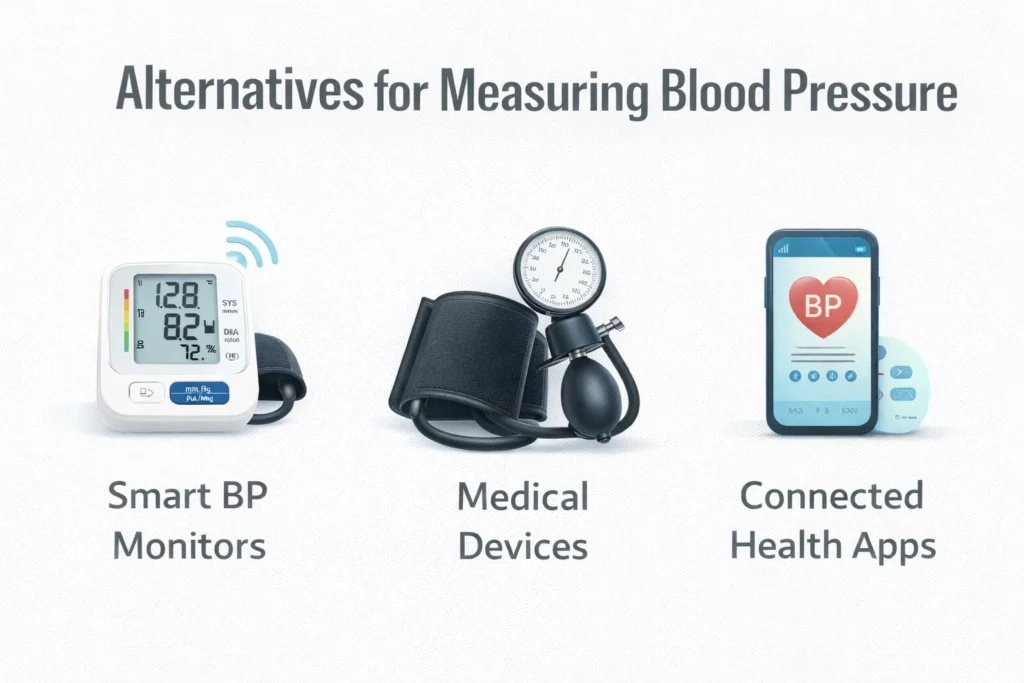
Alternatives for Measuring Blood Pressure
Individuals who need accurate readings should rely on devices specifically designed for clinical measurement.
Smart Blood Pressure Monitors
Connected monitors can sync with mobile apps, allowing users to track readings over time and share data with healthcare providers.
Medical Devices
Clinically validated equipment offers the highest accuracy, particularly for individuals managing cardiovascular conditions.
Connected Health Apps
Some health apps integrate data from both wearable devices and blood pressure monitors, providing a unified health dashboard.
Real Life Scenarios: When Users Need Blood Pressure Tracking
Blood pressure tracking is particularly important in certain situations.
For individuals with hypertension, regular monitoring helps manage treatment plans and detect changes early. Fitness enthusiasts may also track blood pressure to understand how exercise affects cardiovascular health.
Preventive monitoring can support long term wellness by identifying trends that might otherwise go unnoticed.
Pros and Cons of Using Fitbit for Health Monitoring
Fitbit offers a convenient way to track daily wellness habits, but understanding its strengths and limitations is key.
Benefits
- Continuous activity and heart rate tracking
- Easy to use health dashboard
- Integration with lifestyle data
Limitations
- No direct blood pressure measurement
- Not intended for medical diagnosis
- Relies on manual input for BP tracking
Common Misconceptions About Fitbit and Blood Pressure
A frequent misconception is that heart rate data can substitute for blood pressure readings. While both relate to cardiovascular health, they provide different information.
Another myth is that advanced wellness scores indicate blood pressure levels. These metrics estimate overall health trends but do not measure arterial pressure directly.
Clarifying these misunderstandings helps users make informed decisions about their health tracking tools.
Expert Perspective on Wearable Health Devices
Health professionals often emphasize that wearable devices are best used as complementary tools rather than replacements for clinical measurements. They provide valuable lifestyle insights but should not be relied upon for diagnosis.
Combining wearable data with traditional medical monitoring offers the most comprehensive view of health, ensuring both convenience and accuracy.
Overall Verdict: Should You Use Fitbit for Blood Pressure Tracking
Fitbit is an excellent tool for monitoring activity, sleep, and heart health trends. However, it does not currently replace dedicated blood pressure monitors.
For individuals needing regular BP tracking, pairing a Fitbit with a medical grade monitor provides the most effective approach.
Conclusion
The question does fitbit track blood pressure highlights growing interest in wearable health technology and its potential to simplify medical monitoring. While Fitbit excels at tracking daily wellness indicators, blood pressure measurement still requires specialized equipment.
Using both wearable devices and traditional monitors provides the most balanced approach, combining convenience with clinical accuracy.
FAQs About Does Fitbit Track Blood Preasure
Can wearable devices measure blood pressure without a cuff
Emerging technologies are exploring cuffless methods, but most consumer devices do not yet provide reliable measurements.
Why is blood pressure harder to track than heart rate
Blood pressure requires measuring arterial force, which typically needs controlled compression rather than optical sensors.
Are smartwatch health metrics useful without blood pressure tracking
Yes, they provide valuable insights into activity levels, sleep quality, and overall wellness trends.
Can tracking multiple health metrics improve overall awareness
Monitoring various indicators together can help users identify patterns and make informed lifestyle choices.
Will future smartwatches include blood pressure monitoring
Research and innovation suggest this may become possible, but widespread availability depends on validation and accuracy improvements.
Disclaimer: The content on Wellbeingdrive is for informational purposes only and not a substitute for professional advice. Always consult a qualified expert for health concerns.