
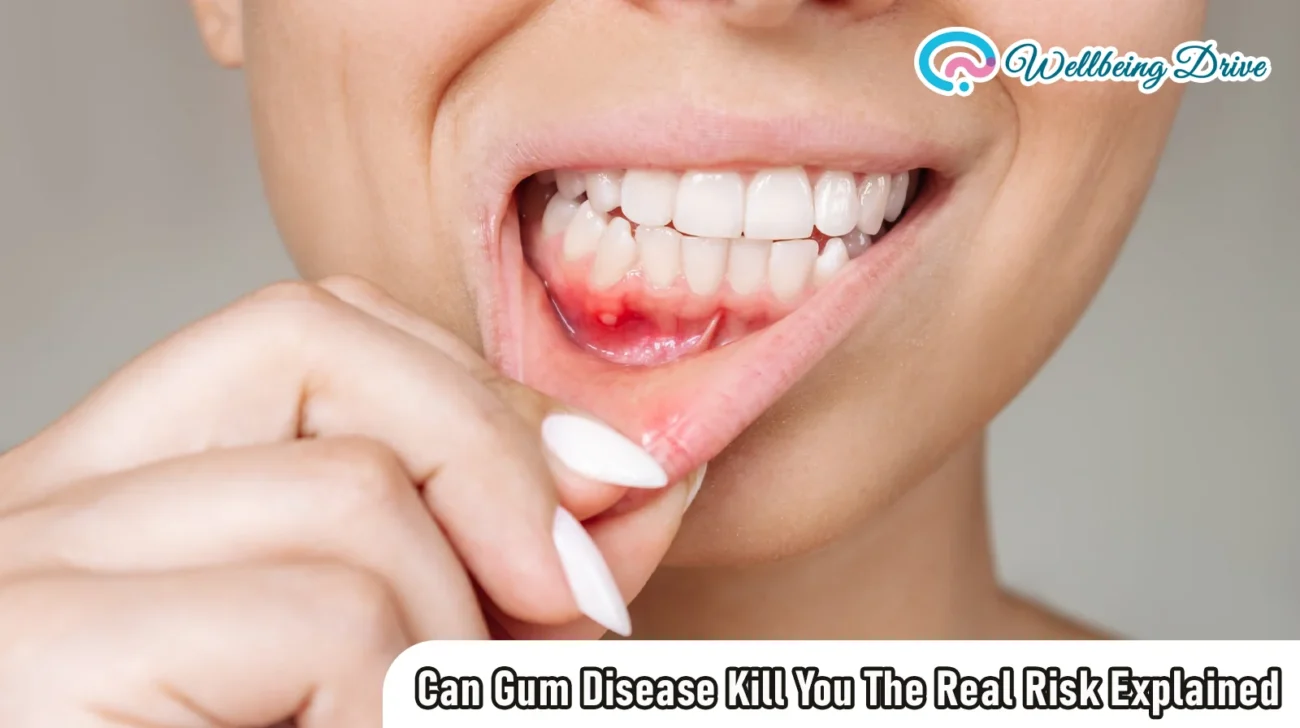
Concerns about oral health can feel frightening, especially when symptoms linger or worsen over time. Many people search can gum disease kill you because they want to understand how serious the condition can become if ignored. Gum disease is very common, but the fear of it turning into something dangerous makes many individuals pay closer attention to their symptoms.
Most people deal with mild forms of gum irritation at some point in their lives. These early stages are not considered life threatening. However, gum disease can progress if neglected for long periods. In rare cases, severe infections and complications may create risks that affect overall health. Understanding the condition, the stages, and the potential dangers helps remove confusion and provides a clearer picture of how gum disease behaves.
This detailed guide explains whether gum disease can become dangerous, why complications may occur, how the condition progresses, and which warning signs require more attention.
What Gum Disease Actually Is
Gum disease is a condition that affects the tissues supporting the teeth. It develops when the gums become irritated or inflamed because of plaque buildup or other contributing factors. While early gum irritation is usually mild, it can progress if it continues without care.
Gum disease generally develops in stages:
- Early gum irritation
- Moderate gum infection
- Advanced destruction of supporting tissues
Even though the early stages are not usually serious, the condition can worsen when neglected. This progression is what makes some people worry and ask can gum disease kill you.
Gum disease tends to grow slowly, but once it reaches deeper tissue layers, it becomes more complicated and may create risks beyond the mouth.
Can Gum Disease Kill You
The short answer is that gum disease itself is rarely fatal, but in certain severe cases, complications can become dangerous. Those complications can involve infections spreading or the body reacting strongly to long term inflammation. These situations are uncommon, but they are the main reason people wonder whether gum disease can lead to life threatening outcomes.
Gum disease becomes dangerous only when:
- Infection reaches deeper tissues
- Bacteria spread through the bloodstream
- Immune function is compromised
- Severe inflammation affects overall health
These situations typically arise when gum disease is left unaddressed for a long time. Early forms of the condition are not associated with fatal risk.
Most people never reach the severe stages, but understanding the possibility helps explain why the question can gum disease kill you continues to appear.
Why Gum Disease Can Become Dangerous if Ignored
To understand the potential danger, it helps to know what happens when gum disease progresses unchecked. As the gums continue to weaken, the infection can penetrate deeper into the structures supporting the teeth.
Chronic Inflammation
Long term inflammation affects more than just the gums. Over time, persistent irritation can place stress on the body and increase sensitivity in multiple areas.
Infection Spread
In advanced cases, bacteria may travel beyond the gums. This is uncommon but can create health risks in individuals with weakened systems.
Tissue Breakdown
As gum disease worsens, it destroys the tissue and bone that support the teeth. Severe instability increases the chance of intense infection.
These developments highlight why the condition requires attention even if the early stages feel mild.
Stages of Gum Disease and Their Risks
Understanding each stage helps clarify which ones pose more serious concerns.
Gingivitis
This is the earliest form. It includes swelling, redness, and mild irritation. Gingivitis does not cause fatal outcomes and is believed to be reversible with proper care.
Early Periodontitis
At this stage, the infection reaches below the gum line. The supporting structures begin to weaken. Although uncomfortable, it is still not considered life threatening.
Advanced Periodontitis
Advanced cases show deeper infection, bone destruction, and severe tissue breakdown. These conditions increase the possibility of complications. This is the stage linked with the question can gum disease kill you, because deeper infections may carry more risk.
Serious Complications Linked With Gum Disease
Gum disease in its advanced form may create risks if the infection becomes severe. These complications are rare but possible.
Some potential concerns include:
- Deep bacterial infection
- Spread of bacteria into the bloodstream
- Increased inflammation throughout the body
- Painful abscesses
- Infection of surrounding tissues
- Potential strain on existing health conditions
These outcomes do not happen in typical mild cases. They are associated with neglected, long lasting gum disease.
Who Is More Likely to Experience Severe Gum Disease Problems
Gum disease severity varies based on individual health and lifestyle factors. Some people may be more vulnerable to dangerous complications.
Groups with higher risk include:
People With Weak Immune Systems
Those with compromised immunity may struggle to control bacterial growth.
Individuals With Long Term Inflammation
Persistent irritation makes the condition harder to control.
People With Chronic Health Conditions
Certain health issues can make gum infection harder to manage.
Those Who Avoid Oral Care
Neglecting gum health for extended periods increases the chance of deep infection.
These factors help explain why gum disease affects people differently.
Signs Gum Disease May Be Getting Worse
Recognizing changes can help identify when gum disease is advancing into more serious stages. These signs do not confirm fatal danger but show that the condition may be becoming more intense.
Common warning signs include:
- Persistent gum swelling
- Frequent bleeding
- Painful chewing
- Receding gums
- Bad odor
- Loose teeth
- Gum pockets that deepen over time
These symptoms show that the infection has moved deeper and requires attention.
Myths About Gum Disease and Fatal Outcomes
Because the question can gum disease kill you spreads widely online, several myths have developed around the topic. These misconceptions cause unnecessary fear.
Myth 1: Gum Disease Always Becomes Life Threatening
Most cases remain mild or moderate.
Myth 2: People With Gum Disease Will Lose All Their Teeth
Tooth loss occurs mainly in advanced cases.
Myth 3: Only Older Adults Face Serious Risks
Gum disease can affect anyone depending on lifestyle and health.
Myth 4: Pain Always Appears Early
Some early stages cause very little pain.
Myth 5: Gum Disease Spreads Quickly
Progression tends to be slow unless combined with other health factors.
Correcting these myths helps keep the topic grounded in reality.
How Gum Disease Affects Overall Health
Gum health is strongly linked to overall wellbeing. This connection often surprises people. When the mouth has ongoing inflammation or infection, the rest of the body may feel the strain.
Possible effects include:
- Higher overall inflammation
- Increased stress on natural defenses
- Greater discomfort in daily life
- Risk of bacterial movement into the bloodstream
- Potential influence on other sensitivities
These links help explain why oral health is important even when symptoms feel mild.
Emotional Impact of Gum Disease Concerns
Health worries affect more than just the body. Many people feel emotional stress when symptoms appear unexpectedly.
Common emotional reactions include:
- Fear
- Shame or embarrassment
- Anxiety about long term outcomes
- Stress from online misinformation
These feelings often lead to a stronger search for answers, which is why the question can gum disease kill you continues to trend.
When Gum Disease Risks Increase
Even though severe outcomes are rare, certain situations increase the chance of complications. These do not mean fatality but show when the disease can become more serious.
Risk increases when:
- Gum infections are ignored for long periods
- Redness and inflammation do not improve
- Tissues deepen into pockets
- Bacteria multiply quickly
- Existing conditions weaken the body
These factors help determine how much gum disease may influence overall health.
Why Ignoring Gum Infections Can Lead to Bigger Problems
When gum disease stays untreated for too long, bacteria continue attacking tissues. As the infection becomes stronger, the body works harder to fight it, which may create stress or complications.
Neglect leads to:
- Long term tissue damage
- Increased bacterial activity
- Uncontrolled inflammation
- Higher chance of spread
This is why advanced stages raise questions like can gum disease kill you, even though actual fatality is extremely rare.
FAQs About Gum Disease
It is very rare and usually occurs only when a severe infection is combined with other health issues.
In advanced stages, bacteria may travel beyond the gums.
Progression varies widely based on individual health and hygiene habits.
No, early gum disease often causes very little pain.
Yes, anyone can develop gum irritation or infection.
Advanced cases may contribute to inflammation and deeper tissue damage.
Online misinformation, severe terminology, and visible symptoms make the condition feel more dangerous than it is.
Final Thoughts
The question can gum disease kill you comes from fear and uncertainty. Gum disease is extremely common, and most cases stay mild or moderate. Fatal outcomes are rare and usually linked to severe infections that spread or combine with other health problems.
Knowing how gum disease progresses helps bring clarity. Early gum irritation is not dangerous, but ignoring symptoms for long periods may allow infection to deepen. Understanding the condition encourages better awareness and reduces fear. Gum disease becomes risky only when left unattended for long stretches or when combined with other serious health issues.
Disclaimer: The content on Wellbeingdrive is for informational purposes only and not a substitute for professional advice. Always consult a qualified expert for health concerns.