
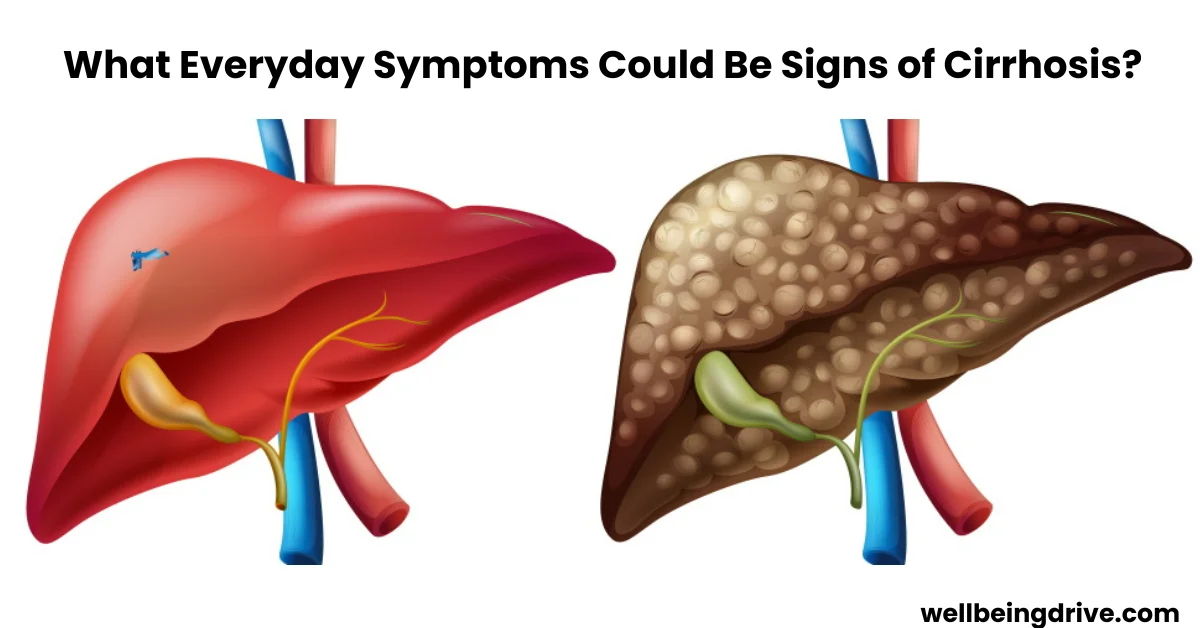
Many people may overlook everyday issues like tiredness, itchy skin, or mild swelling, but sometimes these can point to something more serious. Cirrhosis develops slowly, and its signs can blend into normal life. Recognizing patterns early helps people take steps toward better liver health before lasting damage occurs.
Everyday symptoms, such as fatigue or a loss of appetite, may quietly signal the early stages of cirrhosis. Paying attention to these changes allows a person to seek medical advice sooner. This article explores how small shifts in how the body feels can reveal issues far deeper than they appear on the surface.
Persistent Fatigue And Weakness
Fatigue and weakness often appear early in people with cirrhosis. The liver helps store and release energy, but as damage builds, that balance fails. The body then struggles to maintain normal energy levels, leading to steady tiredness even with proper rest.
These symptoms may worsen as damage progresses through the liver cirrhosis stages, for instance in the early stages, fatigue may feel mild or occasional. By later stages, the lack of energy can interfere with work, exercise, and daily activities.
Weakness sometimes affects muscles as well. The liver’s reduced ability to process nutrients can cause muscle loss, which adds to the feeling of exhaustion. People might notice that tasks once easy, such as climbing stairs, take extra effort.
Though many health conditions can cause tiredness, long-term fatigue without a clear reason deserves medical attention. Identifying cirrhosis early allows for treatment that can help slow further damage and improve quality of life.
Unexplained Weight Loss And Loss Of Appetite
People with cirrhosis may notice that their weight drops even though they are not attempting to lose it. This change often happens gradually and may go unnoticed at first. It can result from poor nutrient absorption and changes in how the liver processes food.
Loss of appetite often appears along with weight loss. The damaged liver can affect the body’s ability to digest fats and absorb important vitamins. As a result, eating may feel uncomfortable, and meals may seem less appealing.
Fatigue can make it harder to maintain normal eating habits. Even small portions may lead to fullness or nausea. Over time, these factors cause reduced calorie intake, which contributes to ongoing weight loss.
Unexplained weight loss or loss of appetite should prompt medical attention. These symptoms can signal that liver function is worsening and that the body is struggling to get adequate nourishment. Early evaluation helps identify the cause and guide proper care.
Easy Bruising Or Bleeding
People with cirrhosis often notice that they bruise or bleed more easily than before. The liver normally makes proteins that help the blood clot. As cirrhosis damages liver tissue, the body produces fewer of these proteins, so even small cuts can take longer to stop bleeding.
Some may see dark or purple marks on their arms or legs after only minor bumps. Nosebleeds or bleeding gums can also occur more often. These signs may look mild, but they suggest that the liver’s ability to keep blood clotting in balance has changed.
In addition, a person may notice that bleeding after dental work or small injuries lasts longer than expected. This pattern can point to problems with the liver’s clotting process. Therefore, anyone who develops new or frequent bruising or bleeding without a clear cause should talk to a doctor. Early medical advice can help find the reason and guide proper care.
Itchy Skin Without Rash
Some people with cirrhosis notice persistent itchiness even though their skin looks normal. The itch often feels worse at night or after contact with warm water. This symptom can appear before other signs of liver trouble, which makes it easy to overlook.
The liver filters toxins from the blood. If it becomes damaged, substances such as bile salts may build up under the skin. This buildup can cause irritation that leads to itching, even without a rash or redness.
The sensation may affect small areas like the palms or soles at first. Over time, it can spread or become more constant. Scratching usually does not relieve it for long and may even cause small scratches or irritation.
Medical evaluation helps identify the cause. Doctors may test liver function and rule out other skin or medical conditions. Treating the underlying liver problem often reduces the itch and prevents further complications.
Swelling In The Legs, Ankles, Or Abdomen
Swelling in the legs, ankles, or abdomen can suggest fluid buildup in the body. This symptom often appears in people with cirrhosis because the liver no longer regulates fluid balance properly. As fluid leaks into surrounding tissues, the skin may appear puffy or tight.
The swelling may start in the lower legs and move upward over time. People might notice that their shoes or socks feel tighter, or that pressing on the skin leaves a small dent. In some cases, fluid collects in the abdomen, a condition known as ascites, which can cause bloating or discomfort.
These changes do not always point to liver disease, but they should not be ignored. Cirrhosis-related swelling can worsen without treatment. Therefore, anyone who experiences persistent or unexplained swelling should seek medical advice to identify the cause and prevent further complications.
Conclusion
Recognizing early symptoms of cirrhosis helps detect liver damage before it worsens. Fatigue, appetite loss, nausea, and itchy skin are often the first signs that something may be wrong. These symptoms may seem minor, yet they can point to serious liver changes.
People who notice these patterns should not ignore them. Seeking a medical checkup allows doctors to confirm the cause and begin treatment early. This step can slow disease progression and support better liver health.
Simple habits such as limiting alcohol, maintaining a healthy weight, and following a balanced diet support prevention. Paying attention to how the body feels each day can lead to earlier detection and better management of cirrhosis.
Disclaimer: WellbeingDrive provides health information for educational purposes only. Do not use this content as a substitute for professional medical advice. Consult your doctor before making health related decisions.