
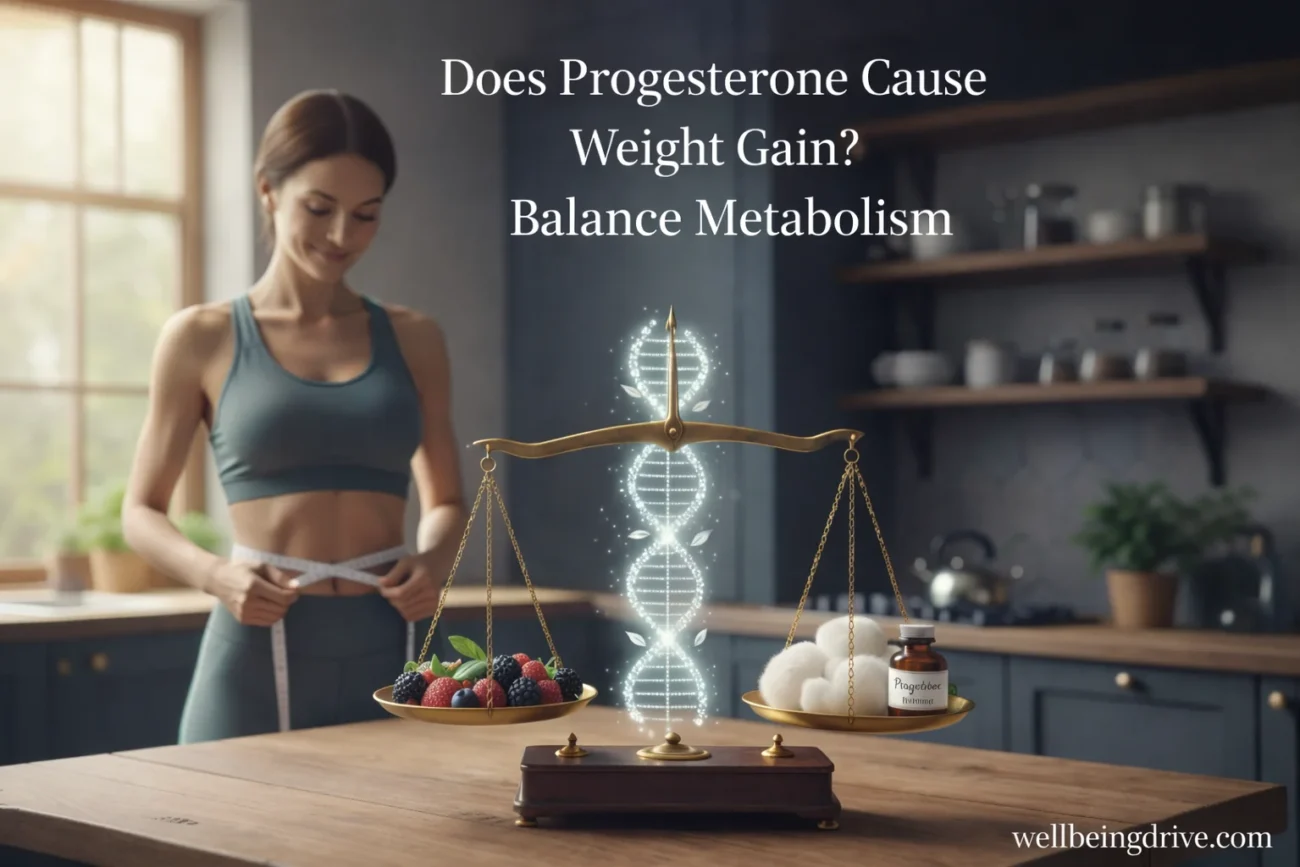
If you’ve noticed the scale suddenly jump after starting a new hormone protocol, your first instinct is likely to feel a sense of frustration. You are likely asking one specific, urgent question: does progesterone cause weight gain, or is your body just experiencing a temporary shift?
The reality is far more encouraging than most women realize, as this jump is typically just water retention. While the numbers may climb for a few days, natural progesterone is rarely the cause of actual fat gain and often helps balance the hormones that lead to stubborn weight.
Is It Fat or Just Fluid? Why the Scale Lies About Does Progesterone Cause Weight Gain
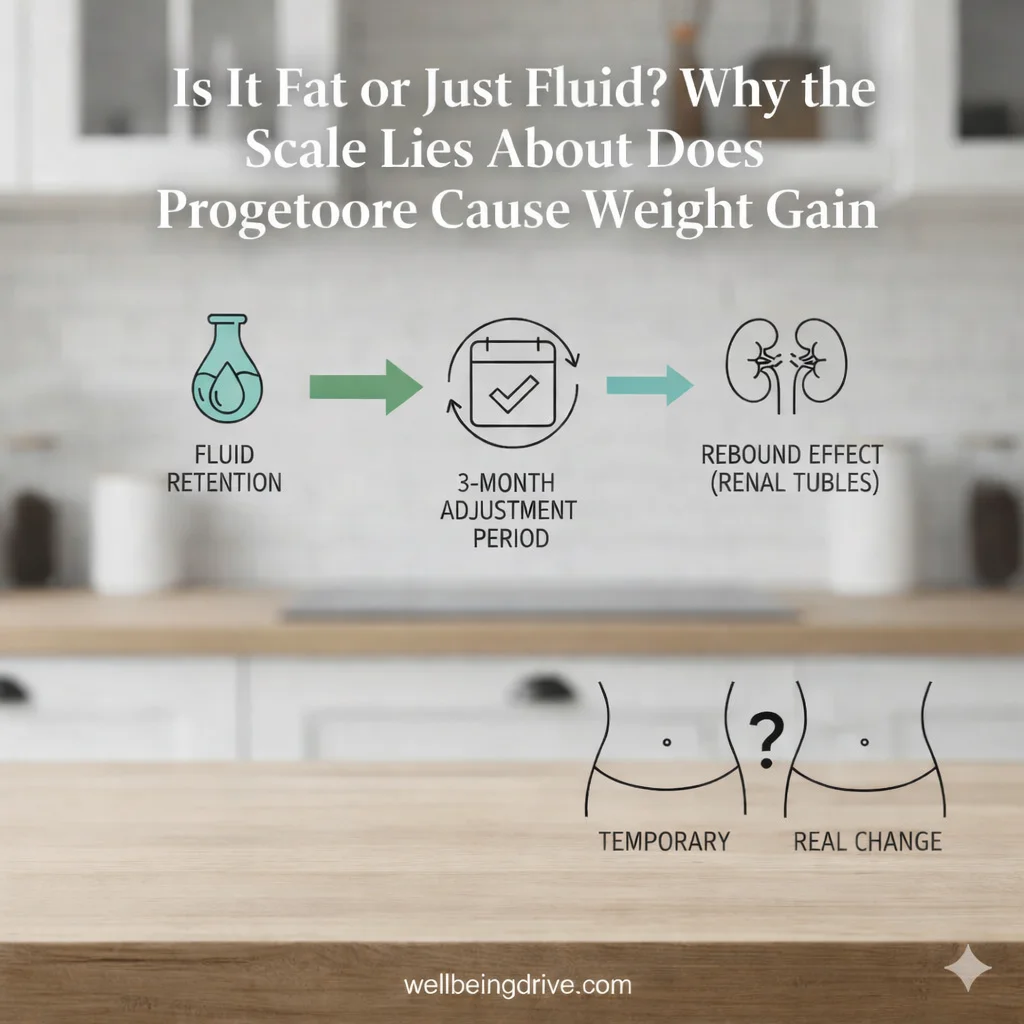
When you begin to wonder, does progesterone cause weight gain, it is essential to look at how your body handles sodium. Progesterone acts as a natural diuretic, but during the initial 3-month adjustment period, your endocrine system can experience a “rebound effect.” This causes your renal tubules to temporarily hold onto extra water.
This state of edema is usually concentrated in the breasts and abdomen. Unlike fat, which takes time and excess calories to accumulate, this fluid can appear overnight. Because water is heavy, the scale reflects a gain, but your body composition remains unchanged. Most women find that as their progesterone levels stabilize, this excess water flushes out naturally within a few days.
How Progesterone Influences Your Scale
Water Retention and the Mineralocorticoid Receptor
Progesterone has a unique relationship with a hormone called aldosterone, which is responsible for fluid regulation in the kidneys. Progesterone actually blocks the aldosterone receptor. While this sounds like it would prevent bloating, the body sometimes reacts by producing more aldosterone to compensate.
This “rebound effect” causes the renal tubules to hold onto sodium and water temporarily. This is why many women feel “puffy” during the luteal phase of their cycle, which is when progesterone levels are naturally at their highest.
The Hunger Shift: Ghrelin, Leptin, and the Luteal Phase
One way progesterone can indirectly lead to fat gain is through its orexigenic effect, which simply means it can increase your appetite. During the second half of your cycle, your basal body temperature rises. This is known as the thermogenic effect.
While a higher body temperature burns more calories, it also triggers ghrelin (the hunger hormone) and suppresses leptin (the satiety hormone). You might find yourself craving “quick energy” like carbohydrates or sugars. If you consistently eat above your caloric needs due to these cravings, actual weight gain can occur.
Digestion and “Progesterone Bloat”
Progesterone is a “relaxant.” It relaxes the smooth muscles of the uterus to support a potential pregnancy, but it also relaxes the muscles in your digestive tract. This leads to slower gastric emptying and slower transit time in the colon.
When digestion slows down, it leads to constipation-induced weight and gas. You might look and feel heavier, but the issue is structural and digestive rather than a change in your body composition. Increasing fiber and water intake during this time is essential.
Forms of Progesterone: Which One Affects Your Weight?

Natural Micronized Progesterone vs. Synthetic Progestins
Not all “progesterone” is created equal. Micronized progesterone (often sold under the brand name Prometrium) is bioidentical to what your ovaries produce. Clinical trials often show it has a neutral or even positive effect on body weight because it helps regulate cortisol and improves sleep quality.
In contrast, synthetic progestins (like medroxyprogesterone acetate found in some birth control or older HRT) have a different molecular structure. These synthetics are more likely to cause an anabolic effect, which can lead to actual increases in body fat for some users.
| Hormone Type | Common Brand | Effect on Weight |
| Micronized Progesterone | Prometrium | Low risk (mostly water weight) |
| Medroxyprogesterone | Depo-Provera | Higher risk of fat gain |
| Levonorgestrel | Various IUDs | Moderate risk (local effect) |
Progesterone Creams vs. Oral Capsules
The delivery method matters. Oral capsules must be processed by the liver, which can slightly alter how the hormone interacts with your metabolism. Progesterone creams, applied topically, enter the bloodstream directly. Many women prefer creams because they allow for more granular dose-response control, which can help minimize the “puffiness” associated with higher oral doses.
The Exclusive Connection: Alcohol and Progesterone
One of the most overlooked factors in weight gain is the interaction between alcohol consumption and progesterone. Alcohol is known to spike estrogen levels. When estrogen is too high relative to progesterone (a state called estrogen dominance), the body becomes a sponge for water.
If you are taking supplemental progesterone and consuming alcohol, you are essentially creating a hormonal “tug-of-war.” This leads to severe inflammatory bloating. To keep the scale steady, it is best to limit alcohol, especially during the 10 days before your period or when starting a new HRT protocol.
Progesterone for Specific Groups
Why Weight Gained During IVF Isn’t Always the Progesterone
During IVF cycles, women are often prescribed high doses of progesterone to support the uterine lining. While progesterone causes significant bloating, the estradiol used in these cycles is often the primary driver of rapid fluid retention. The combination of the two, along with the physical stress of the procedure, makes weight gain feel inevitable, but it is almost always temporary.
HRT and Menopause: Does it Stop “Belly Fat”?
During perimenopause, estrogen levels begin to fluctuate wildly, often leading to an accumulation of visceral fat (belly fat). Progesterone helps counteract the “fat-storage” signals sent by erratic estrogen. By improving sleep and reducing the “stress hormone” cortisol, progesterone can actually be a tool for weight management rather than a cause of gain.
5 Expert Strategies to Prevent Progesterone Weight Gain
If you are worried about the scale, use these science-backed strategies to keep your metabolism and fluid levels in check.
1. Magnesium and Potassium Loading
Since progesterone can cause a temporary sodium imbalance, you need minerals to flush it out. Magnesium acts as a natural muscle relaxant and mild diuretic, while potassium helps the kidneys excrete excess sodium. Focus on leafy greens, avocados, and bananas.
2. The “Progesterone Sleep Window”
If you take oral progesterone, take it 30 minutes before bed. Progesterone is metabolized into a neurosteroid called allopregnanolone, which makes you sleepy. By sleeping through the peak concentration of the hormone, you avoid the “daytime munchies” and hunger spikes caused by ghrelin.
3. Protein-First Breakfast
To combat the increased appetite during the luteal phase, prioritize 30 grams of protein within an hour of waking. This stabilizes your blood sugar and prevents the insulin spikes that lead to fat storage.
4. Monitor Your “PdG” Levels
If you are using progesterone for fertility, tracking your PdG (Pregnanediol Glucuronide) levels can help you predict which days you will be most prone to bloating. Knowledge is power; knowing the “weight” is just water can reduce the stress that spikes cortisol.
5. Increase Hydration
It sounds counterintuitive, but the best way to get rid of water weight is to drink more water. When the body is dehydrated, it holds onto every drop it has. Aim for 2 to 3 liters of filtered water daily to keep your renal system moving.
When to See a Doctor
While minor fluctuations are normal, you should consult your OB-GYN or Endocrinologist if you experience:
- Rapid weight gain of more than 5 pounds in a single week.
- Severe swelling in only one leg (which could indicate a blood clot).
- Extreme mood swings or depression that coincide with the weight change.
- Symptoms of a thyroid imbalance, such as hair loss or extreme fatigue.
FAQs About Does Progesterone Cause Weight Gain
How long does progesterone bloating last?
Most women find that bloating subsides within 7 to 10 days as the body acclimates to a new dose. If you are taking it cyclically, this fluid retention usually disappears the moment your period starts.
Does progesterone slow down your metabolism?
Progesterone actually has a thermogenic effect, meaning it slightly increases your core body temperature and metabolic rate. Any weight gain is usually due to an accompanying increase in appetite, rather than a “slow” metabolism.
Does progesterone cream cause less weight gain than pills?
Many patients report fewer systemic side effects, like bloating and extreme hunger, when using topical progesterone cream because it bypasses the “first-pass” metabolism in the liver.
Will I lose the weight once I stop taking progesterone?
If the weight is primarily water retention, it typically flushes out within 48 to 72 hours after the hormone levels drop. If actual fat was gained due to increased caloric intake, it would require a traditional deficit to lose.
Should I avoid salt while taking progesterone?
You don’t need to avoid salt entirely, but focusing on high-potassium foods can help balance the sodium-retaining effects of aldosterone, making you feel much leaner.
What is the best time of day to take progesterone to avoid cravings?
Taking your dose at night is the most effective strategy. This allows the sedative and metabolic effects to peak while you sleep, preventing the daytime hunger spikes that lead to overeating.
Conclusion: Reclaiming Your Hormonal Balance
Navigating hormone therapy requires patience and an understanding of how your body responds to internal shifts. When you find yourself asking, does progesterone cause weight gain, remember that a sudden increase is almost always a sign of temporary fluid adjustment rather than a change in body fat.
By focusing on a nutrient-dense diet and proper hydration, you can bypass the common pitfalls of hormonal fluctuations. Progesterone should be a tool that helps you feel balanced and rested, not a source of stress. Once your estrogen/progesterone ratio is optimized, the scale will naturally settle, leaving you feeling leaner and more energized.
Disclaimer: WellbeingDrive provides health information for educational purposes only. Do not use this content as a substitute for professional medical advice. Consult your doctor before making health related decisions.