
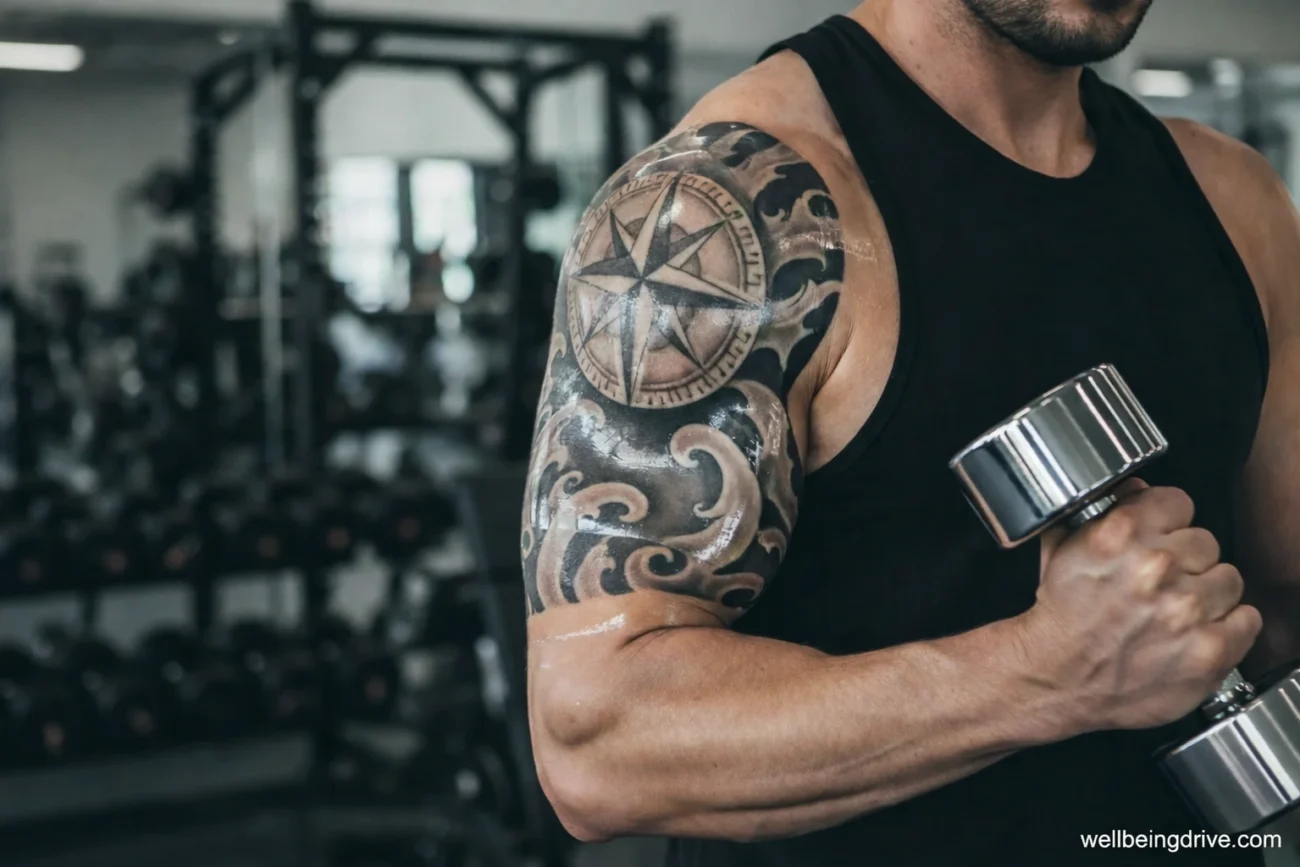
You just got a new tattoo, and you are thinking about your next workout. It is a common problem because you want to keep up your fitness routine without ruining your new art. If you are asking how long after tattoo can you workout, the most important thing to remember is that your tattoo is actually an open wound.
To keep it safe, you should wait at least 48 hours before doing any light exercise. For harder workouts that involve heavy sweating or lifting, most experts recommend waiting 2 weeks to ensure the skin has healed enough to withstand the stress.
Treating it like a minor scratch is the fastest way to invite a bacterial infection or permanent ink fallout. Your body is currently in an inflammatory response phase, trying to heal thousands of tiny puncture wounds in the dermis. Adding the physical stress of a heavy lifting session or a high-intensity cardio class can compromise that healing process.
How Long After Tattoo Can You Workout Without Risking Infection
Understanding the biological stages of skin reconstruction is vital for timing your return to the gym. Your skin does not heal all at once; it heals in layers, starting from the surface and moving down into the deeper subcutaneous tissue.
The First 48 Hours and Absolute Rest
During the first two days, your tattoo is an active weeping wound. It is leaking plasma, excess ink, and blood. Your immune system is working overtime to seal the skin. Any significant movement or heavy sweating during this window can cause the wound to reopen or lead to ink leaching. Stay out of the gym entirely during this period to allow the initial seal to form.
Days 3 to 7 and Light Movement Only
By day three, most tattoos have formed a thin protective layer. You might notice the beginning of the scabbing phase. You can engage in light, low-impact movements like walking, but you must avoid anything that causes heavy perspiration or puts direct tension on the tattooed area. If your skin feels tight or pulls when you move, you are pushing too hard.
Days 8 to 14 The Peeling and Itching Phase
This is the most dangerous time for the visual quality of your art. As the skin begins to peel, it becomes incredibly fragile. Friction from workout clothes or accidental scratching during a set can rip a scab off prematurely. If a scab is pulled off before the skin underneath is ready, it takes the pigment with it, resulting in a faded or patchy appearance.
Week 2 to 4 Full Recovery
By the end of the second week, the surface of the skin is usually closed. However, the dermis (where the ink actually sits) is still in the process of rebuilding. You can usually return to your regular intensity, but you should still avoid soaking the area in pools or hot tubs until the one-month mark.
Why Gym Environments Pose a Risk to New Ink
The average commercial gym is a breeding ground for pathogens like Staphylococcus and MRSA. When you have a fresh tattoo, you are essentially walking into a petri dish with a compromised physical barrier.
Bacterial Cross-Contamination
Bacterial cross-contamination occurs every time you touch a dumbbell, a yoga mat, or a bench press. You are interacting with bacteria left behind by dozens of other people. If your tattooed skin touches these surfaces, or if you touch your tattoo with unwashed hands after adjusting your equipment, you risk a serious bacterial infection.
The Role of Sweat and Salt
The role of sweat and salt is also a major factor because sweat is not just water. It contains salt and minerals that can lead to osmosis, where the salt draws the moisture and ink out of the skin. This can lead to ink blowout or blurred lines. Furthermore, sweat trapped against the skin by tight clothing can cause a heat rash or folliculitis, which complicates the healing process.
Mechanical Friction and Chafing
Mechanical friction and chafing happen during repetitive movements, such as running or cycling, which cause clothing to rub against the skin. For a new tattoo, this friction acts like sandpaper. It can wear down the protective barrier and cause inflammation, leading to prolonged redness and potential scarring.
Tattoo Placement vs Workout Modifications

Where you got your ink significantly changes how you should modify your training. Some areas of the body experience more skin tension and movement than others.
Joint tattoos and hyper-extension affect areas like elbows, knees, or armpits because they are subject to constant stretching. If you perform a deep squat with a fresh knee tattoo, you risk cracking the scabs. These high-motion areas require the longest rest periods because the skin is under constant mechanical stress during even basic mobility.
The core and torso area includes back and rib tattoos which are often affected by deep breathing and trunk rotation. If you are a heavy lifter, the bracing technique used for squats and deadlifts can put immense pressure on the torso skin. It is often better to switch to isolation machines that do not require heavy core stabilization for the first week.
Working Out with Saniderm or Second Skin Bandages
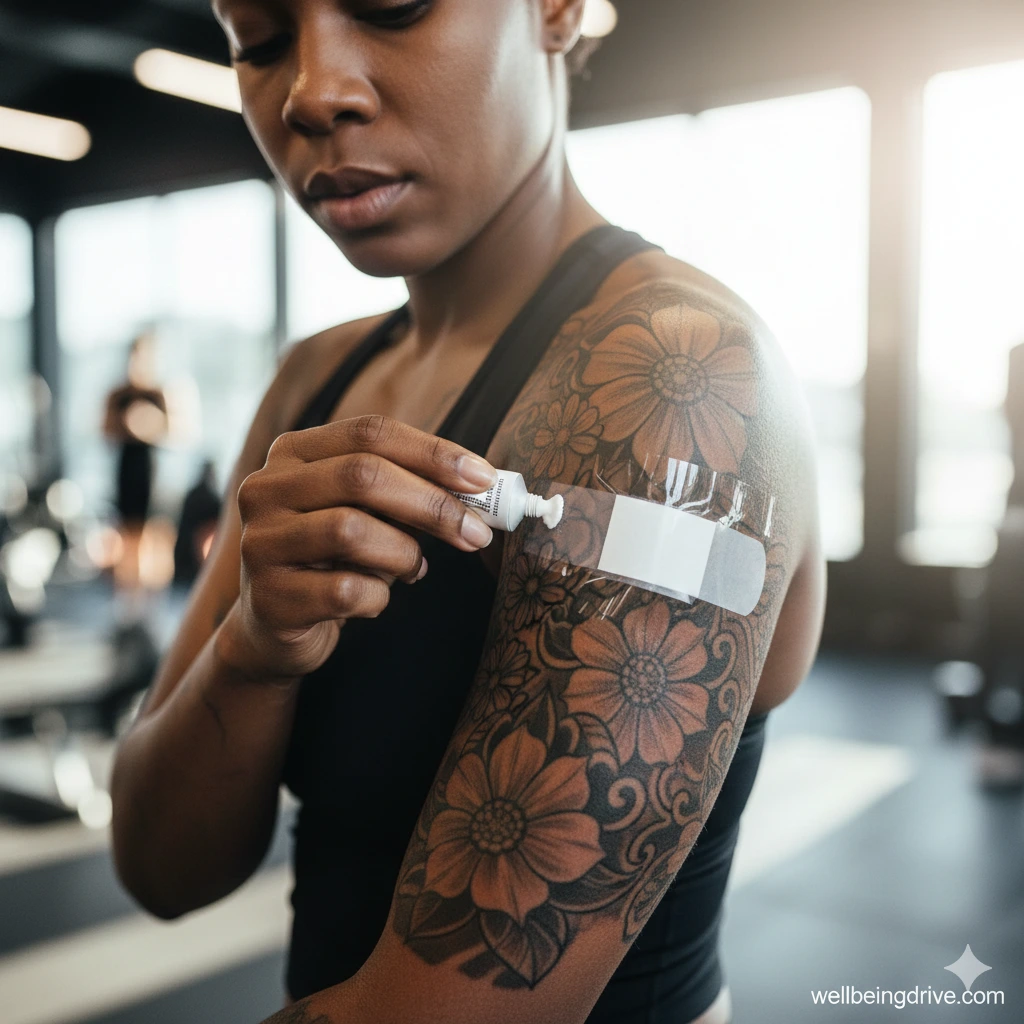
Modern aftercare has changed the game for athletes. Medical-grade transparent adhesives, often called Saniderm or Second Skin, provide a waterproof and bacteria-proof barrier.
The Benefits of Occlusive Dressings
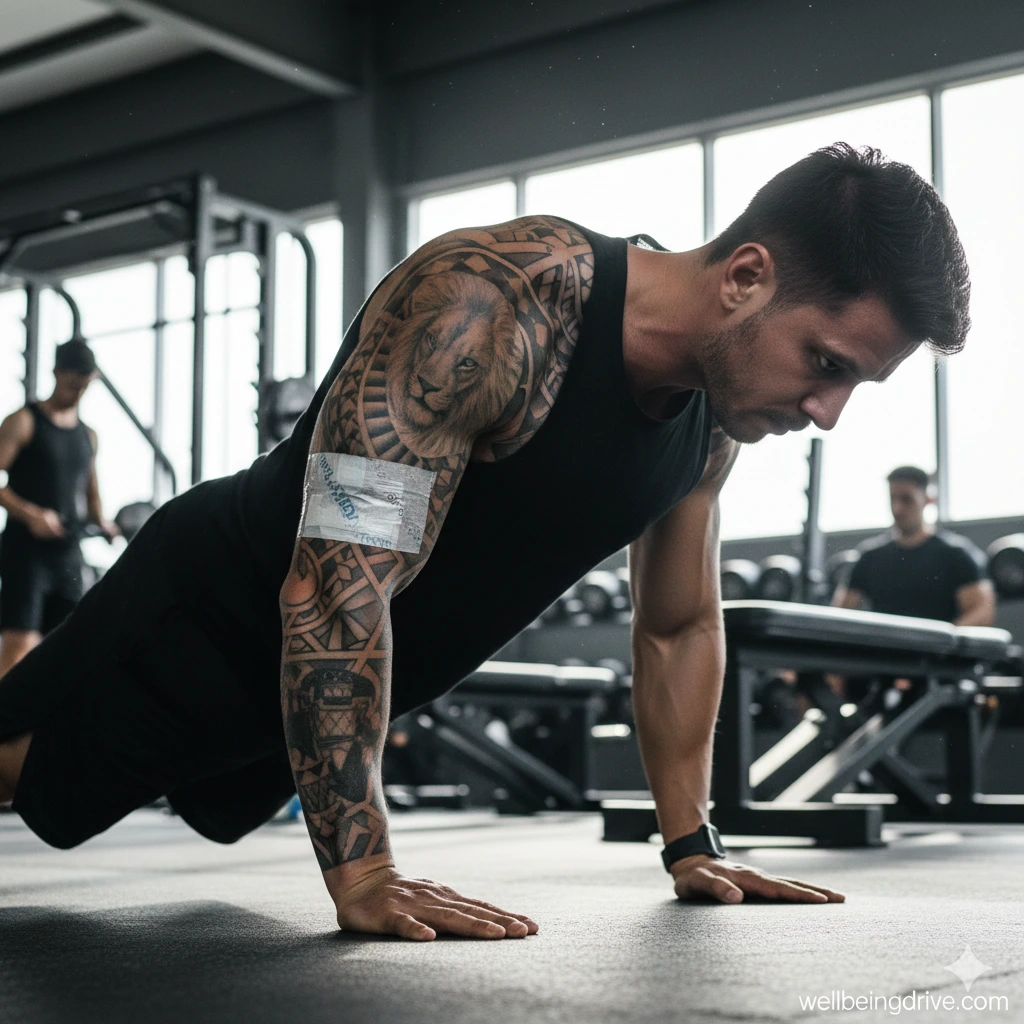
The benefits of occlusive dressings are significant because these bandages allow your skin to breathe while keeping pathogens out. They greatly reduce the risk of infection from gym equipment. If you are wearing a second-skin bandage, you may feel more comfortable returning to light training sooner because the wound is sealed against external friction.
Managing the Sweat Bubble
Managing the sweat bubble is important because the primary concern with Saniderm is plasma buildup. If you work out and sweat heavily, the moisture can get trapped under the bandage. This creates a sweat bubble that can irritate the tattoo. If you notice a significant amount of fluid under the wrap after a workout, you must remove it, clean the tattoo with unscented soap, and either apply a fresh bandage or switch to traditional open aftercare.
Best Practices for Post-Workout Tattoo Care
If you do decide to head back to the gym, your post-workout routine is just as important as the workout itself. You need a strict decontamination protocol to ensure no gym grime lingers on your healing skin.
The 15-Minute Rule
The 15-minute rule is a vital safety habit because you should never let sweat sit on a new tattoo for more than 15 minutes. As soon as your session is over, head to the shower immediately. Allowing dried sweat and bacteria to sit on the wound is the primary cause of post-gym infections.
Cleaning with Unscented Soap
Cleaning with unscented soap involves using a mild, fragrance-free, antibacterial soap to remove gym grime. Avoid using a loofah or washcloth on the tattoo, as these are abrasive and can harbor harmful bacteria. Use your clean hands to gently wash the area in a circular motion to ensure it is fully decontaminated.
Pat Dry, Don’t Rub
Pat dry, don’t rub, is the safest way to dry the area using a clean, disposable paper towel. You must avoid using a communal gym towel, which is a common source of cross-contamination. Gently pressing the paper towel against the skin prevents irritation to the healing tissue.
Moisturize Sparingly
Moisturize sparingly after cleaning by applying a very thin layer of tattoo-specific ointment or unscented lotion. The goal is to keep the skin supple and hydrated without drowning it in product. Over-moisturizing can trap bacteria and lead to breakouts or clogged pores that interfere with the healing process.
Common Risks and Warning Signs to Watch For
Even with the best precautions, complications can arise. Athletes need to be hyper-aware of how their body is reacting to the dual stress of exercise and healing.
Signs of Infection
Signs of infection are critical to monitor because if you notice excessive redness that spreads away from the tattoo, or if the area feels hot to the touch, you may have an infection. Other red flags include yellow or green discharge, a foul odor, or fever and chills. If any of these symptoms occur, you should contact a medical professional immediately to prevent further health complications.
Ink Fallout and Fading
Ink fallout and fading can happen if your workout causes a scab to rip off prematurely, which might leave a blank spot in the design. This is known as ink fallout, and while it can often be fixed with a touch-up session later, it is always better to avoid the trauma to the skin in the first place by being careful during physical activity.
The Impact of Overtraining
The impact of overtraining is a real concern because getting a large tattoo triggers an immune response similar to a mild illness. If you combine this with a high-intensity leg day or a marathon training session, you may experience overtraining syndrome. This physical stress can lead to slower healing times for the tattoo and increased fatigue, so it is important to listen to your body and prioritize recovery.
Can I do cardio if my tattoo is covered by clothing?
Yes, but clothing can actually cause more harm than good if it is tight. Tight leggings or shirts can trap sweat and rub against the scabs. If you do cardio, wear baggy, moisture-wicking fabrics and ensure the tattoo is cleaned immediately afterward to prevent clogged pores and irritation.
Is it okay to use public gym showers after getting a tattoo?
It is generally discouraged. Public showers are notorious for harboring fungi and bacteria. If you must use one, keep the tattoo covered or ensure it does not touch any of the walls or floors. It is much safer to wait until you get home to perform your cleaning routine in a controlled environment.
How does “The Pump” affect a new tattoo?
When you lift weights, your muscles engorge with blood, causing the skin to stretch. If the tattoo is very fresh, this rapid vascular expansion can cause the skin to crack or bleed. It is best to avoid training the specific muscle group that was tattooed for at least 5 to 7 days to prevent this internal tension.
Can I swim in a chlorinated pool after two weeks?
Two weeks is the absolute minimum, but three to four weeks is safer. Chlorine is a harsh chemical that can bleach the ink and dry out the healing skin. Saltwater is equally dangerous as it can cause dehydration of the wound. Always wait until the skin is no longer peeling and feels completely normal to the touch.
What should I do if my tattoo starts bleeding during a workout?
Stop your workout immediately. Bleeding is a sign that the wound has reopened and you are at high risk for infection. Clean the area with antibacterial soap, apply a fresh dressing, and give yourself at least another 48 hours of total rest before attempting to exercise again.
Do contact sports like BJJ or MMA require a longer wait?
Yes. Because these sports involve intense friction, sweat from other people, and high impact, you should wait until the tattoo is fully silvered or healed on the surface, which typically takes 3 to 4 weeks. One session of rolling can easily destroy a fresh tattoo and lead to severe staph infections.
Can I use sunblock on my tattoo if I am exercising outdoors?
No, you should not apply sunblock to a healing tattoo (under 2-3 weeks old). The chemicals in sunblock can irritate the open wound. Instead, keep the tattoo covered with loose clothing or exercise during low-sun hours. Once the tattoo is fully healed, sunblock is essential to prevent long-term fading.
Conclusion
Maintaining your fitness routine while healing a new tattoo requires a balance of patience and hygiene. When deciding how long after tattoo can you workout, it is essential to prioritize your safety by respecting the 48-hour initial rest period and modifying your movements based on the location of your ink to protect your investment.
Always wear loose-fitting, breathable clothing to minimize friction against the skin. Avoid contact sports where your tattoo might be bumped or scraped. Most importantly, keep the area clean and hydrated. A tattoo is permanent, but a missed workout is only temporary. Taking a few extra days off now ensures that your art stays vibrant for a lifetime.
Disclaimer: WellbeingDrive provides health information for educational purposes only. Do not use this content as a substitute for professional medical advice. Consult your doctor before making health related decisions.