
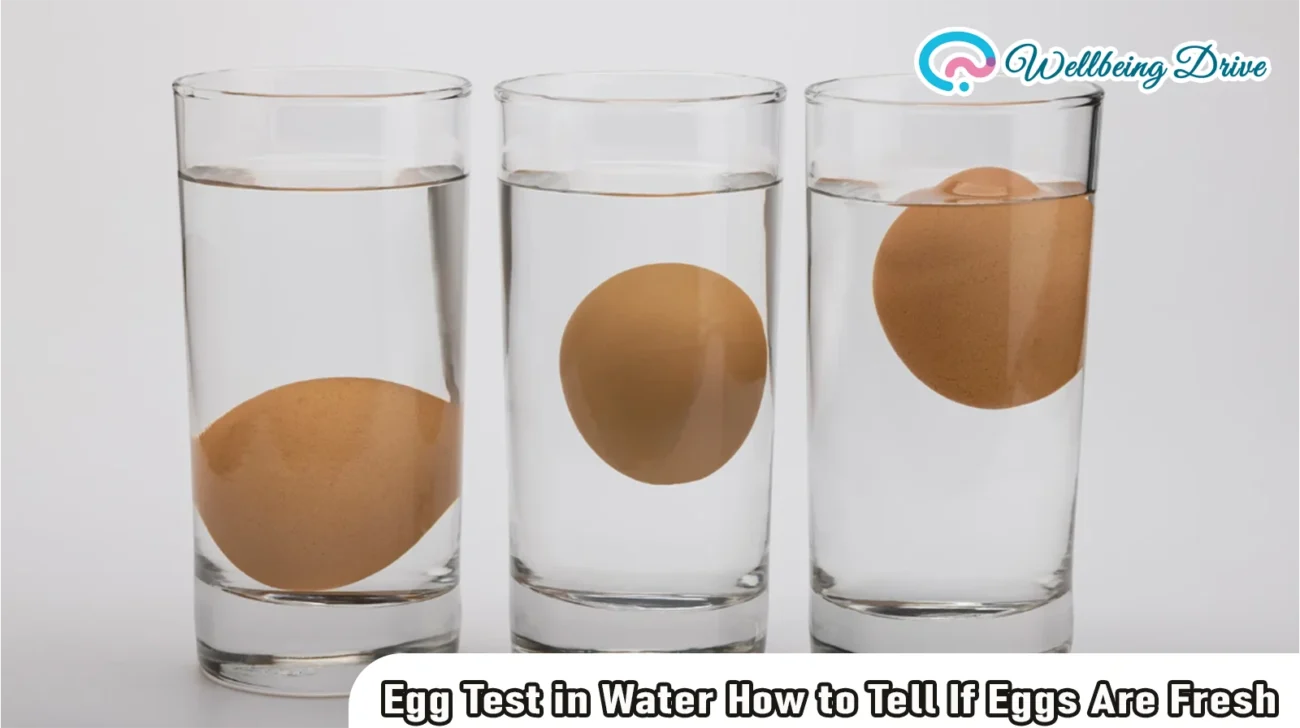
The egg test in water is one of the easiest and most popular ways to check if your eggs are fresh or spoiled. Many people keep eggs in the fridge for days or even weeks, and it is not always easy to remember when they were bought. Instead of guessing or wasting food, this simple water test helps you quickly understand the freshness of an egg.
In this complete guide, you will learn what the egg test in water is, why it works, how to perform it correctly, what each result means, how accurate the test is, and what other signs show whether an egg is safe to eat. Everything is explained in clear and simple language so anyone can use this method safely at home.
What Is the Egg Test in Water
The egg test in water is a simple method that uses a bowl of water to determine how fresh an egg is based on how it behaves in the water.
Basic Explanation of the Test
You place a raw egg into a bowl filled with cold water and observe whether the egg sinks, stands upright, or floats. The position of the egg tells you its approximate freshness.
Why This Test Works
As eggs age, air slowly enters the shell through tiny pores. This creates a growing air pocket inside the egg. The more air inside the egg, the more it will float. Fresh eggs have very little air, so they sink.
How to Perform the Egg Test in Water
This test takes less than a minute and needs only basic kitchen items.
What You Need
- A bowl or deep cup
- Cold water
- One raw egg
Step by Step Testing Method
- Fill the bowl with cold water.
- Gently lower the egg into the water.
- Watch how the egg behaves.
- Observe whether it sinks, stands upright, or floats.
- Compare the result with the meanings explained below.
Always test one egg at a time for clear results.
Egg Test Results and What They Mean
Each position of the egg in water gives important information about its freshness.
Egg Sinks and Lies Flat
If the egg sinks and lies flat at the bottom, it is very fresh. This means the air pocket inside is very small and the egg is still new.
Egg Sinks but Stands Upright
If the egg sinks but stands upright with one end pointing up, it is older but may still be usable. It should be cracked open and checked with smell and sight before use.
Egg Floats to the Top
If the egg floats on the surface, it is spoiled. This means the air pocket is large and bacteria may be present. Floating eggs should always be thrown away.
Is a Floating Egg Always Bad
Many people wonder if a floating egg is always unsafe.
Why Floating Happens
Floating happens when air builds up inside the shell over time. As moisture escapes and air enters, the egg becomes lighter and starts to float.
When Floating Eggs Should Be Discarded
While rare cases exist where a floating egg does not smell bad, it is still safer to discard it. Floating eggs have a higher risk of being spoiled and unsafe to eat.
How Accurate Is the Egg Test in Water
The egg test is helpful, but it is not perfect.
What the Test Can Confirm
The test can tell you if an egg is fresh, old, or very old. It works best as a quick freshness guide.
What the Test Cannot Confirm
The test cannot always detect internal spoilage. An egg that sinks might still be spoiled due to bacteria. This is why you should always crack eggs into a separate bowl and smell them before use.
Other Ways to Check If an Egg Is Bad
Using more than one test gives better safety.
Smell Test
A spoiled egg gives off a strong sulfur or rotten smell. This smell is easy to detect and is a clear sign the egg is unsafe.
Visual Check
Check the egg after cracking it open. Cloudy whites, pink or green colors, or unusual spots mean the egg is bad.
Shake Test
Shake the egg near your ear. If you hear sloshing sounds, the egg is old and likely spoiled.
Why Eggs Float as They Age
The floating behavior of eggs is completely natural.
Air Pocket Growth
When eggs are laid, they contain very little air. As days pass, moisture slowly escapes through the shell and air enters. This enlarges the air pocket and makes the egg more buoyant.
Shell Porosity
Eggshells are porous, meaning they allow gases to pass through. This natural process is why eggs float more as they get older.
How Long Do Eggs Stay Fresh in the Fridge
Knowing proper egg storage time helps you stay safe.
Store Bought Eggs
Store bought eggs usually stay fresh for about three to five weeks when kept refrigerated at all times.
Farm Fresh Eggs
Farm fresh eggs without refrigeration last for a shorter time. Once refrigerated, they can last several weeks but should still be checked often.
Should You Wash Eggs Before Testing
Many people are unsure whether to wash eggs before using the egg test in water.
When Washing Is Safe
You can wash eggs right before cracking them for cooking. This removes surface dirt and bacteria.
Why Washing Before Storage Is Risky
Washing eggs before storing can remove their natural protective layer. This makes it easier for bacteria to enter through the shell.
Common Myths About the Egg Test in Water
There are many misunderstandings about this test.
Myth That Floating Eggs Are Always Rotten Inside
Some floating eggs may not smell bad when cracked, but the risk of spoilage is higher. It is safest to discard floating eggs.
Myth That All Sinking Eggs Are Perfect
A sinking egg can still be spoiled due to contamination or improper storage. Always check with smell and sight.
Safety Tips When Using the Egg Test in Water
Basic safety steps prevent food poisoning.
Always Crack Eggs in a Separate Bowl
Never crack eggs directly into your cooking dish. This prevents spoiled eggs from ruining your entire meal.
Never Taste Raw Eggs to Test Freshness
Tasting raw eggs can expose you to harmful bacteria. Always rely on smell and visual checks.
Does Egg Size Affect the Egg Test in Water
Egg size can slightly affect how an egg behaves in water.
Small Eggs
Small eggs may sink faster due to lower air content and weight balance.
Large Eggs
Large eggs may stand upright sooner as air builds up, even if they are not fully spoiled yet.
Does Temperature Affect the Egg Test in Water
Water temperature can influence test results.
Cold Water
Cold water gives the most accurate result and should always be used.
Warm Water
Warm water may create bubbles that make the egg appear to float faster than normal.
Can You Use the Egg Test in Water for Boiled Eggs
Some people try to use the test on boiled eggs.
Raw Eggs vs Boiled Eggs
The test works best with raw eggs. Boiled eggs may behave differently due to changes in internal structure.
Safe Handling
Once boiled, eggs should be eaten within a few days if refrigerated properly.
How to Store Eggs Correctly for Longer Freshness
Proper storage extends the life of eggs.
Keep Eggs in the Original Carton
The carton protects eggs from strong odors and moisture loss.
Store Eggs in the Coldest Part of the Fridge
Do not store eggs in the fridge door where temperature changes are frequent.
Keep Eggs Pointed End Down
This helps keep the air pocket stable and may slow aging.
What Happens If You Eat a Bad Egg
Eating spoiled eggs can cause serious health issues.
Possible Symptoms
- Stomach pain
- Vomiting
- Diarrhea
- Fever
- Weakness
Symptoms can start within hours of eating a bad egg.
Why the Egg Test in Water Is Still Popular Today
Despite modern expiration dates, many people still use this test.
Easy and Free
It requires no tools, no equipment, and no special knowledge.
Helpful for Forgotten Eggs
If you forget when eggs were purchased, this test gives quick guidance.
Egg Test in Water for Large Batches of Eggs
You can test multiple eggs at once safely.
How to Test Several Eggs
Use a large bowl and place eggs gently one by one. Do not overcrowd them.
After Testing
Dry the eggs and store fresh ones back in the fridge. Discard floating ones immediately.
When to Skip the Egg Test in Water Completely
Sometimes the test is not needed.
If Eggs Smell Bad in the Carton
If you detect odor before testing, discard the eggs without hesitation.
If Eggs Have Cracked Shells
Cracked eggs allow bacteria to enter and should not be tested or consumed.
Frequently Asked Questions
It shows whether an egg is fresh, old, or spoiled based on how it sinks or floats.
Most floating eggs are spoiled and should be discarded for safety.
It may still be usable but should be checked with smell and sight first.
It is a helpful guide but should not replace smell and visual tests.
Farm eggs may behave differently depending on storage time and temperature.
Most eggs last three to five weeks when kept cold.
Yes, floating eggs are safer to discard.
Yes, some spoiled eggs may still sink. Always smell before use.
Yes, larger eggs may stand upright sooner as air builds up.
Yes, it is safe when done gently with clean water and proper handling.
Conclusion
The egg test in water is a simple and useful method to help you determine whether eggs are fresh, old, or spoiled. Fresh eggs sink and lie flat, older eggs stand upright, and spoiled eggs float. While this test offers quick guidance, it should always be used along with smell and visual checks for full safety.
Eggs can stay fresh in the fridge for several weeks when stored properly, but every egg should be checked before use. Floating eggs should always be discarded. By following safe handling and storage practices, you can reduce food waste and protect your health at the same time.
Disclaimer: WellbeingDrive provides health information for educational purposes only. Do not use this content as a substitute for professional medical advice. Consult your doctor before making health related decisions.