
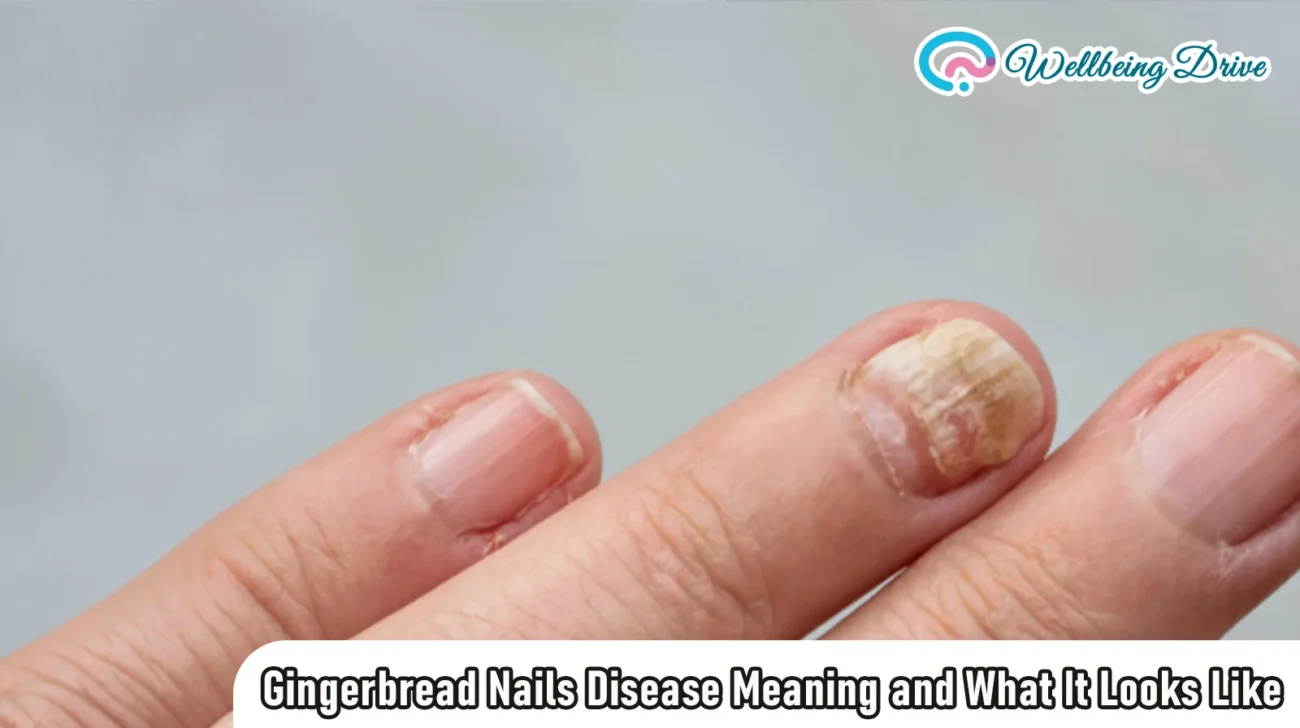
Nail changes can be surprising, especially when they appear suddenly or become more noticeable over time. One phrase that has gained attention online is gingerbread nails disease, an unusual term that describes a very specific type of nail appearance. Many people become worried when their nails start to look brown, thick, crumbly, or textured, and they begin searching for answers.
Although the name sounds alarming, gingerbread nails disease is not an official medical diagnosis. Instead, it is a descriptive phrase people use to explain a set of nail changes that resemble the color or texture of gingerbread. Because of how striking these changes can be, it is common for people to feel anxious and wonder whether the condition is serious.
This detailed guide explains what gingerbread nails disease means, how the nails typically look, possible reasons behind the changes, who may be more at risk, and when the condition may signal something deeper. The goal is to bring clarity and reassurance using simple, clear, and helpful information.
What Gingerbread Nails Disease Means
The term gingerbread nails disease is a nickname people use for nails that look brownish, crumbly, rough, or thickened. The color and texture resemble the appearance of gingerbread cookies or gingerbread dough, which is how the name came to be. It is not a recognized medical condition but rather a visual description used online.
People often use this phrase when they notice:
- Brown or caramel toned discoloration
- Uneven texture
- Crumbling edges
- Visible dryness
- Thickened nail layers
- Rough or grainy surfaces
Each person may experience different variations of these changes. Because the appearance can look dramatic, the name gingerbread nails disease spread quickly on social platforms.
Is Gingerbread Nails Disease a Real Medical Condition
The phrase is not officially recognized in medical terminology. It is mostly a descriptive label created by the public, similar to how people describe visual symptoms with memorable names. While the term itself is not medical, the nail changes it refers to can be linked to real conditions affecting nail health.
Gingerbread nails disease should be understood as:
- A visual description, not a diagnosis
- A nickname based on the nail’s appearance
- A sign of changes happening in the nail structure
- A phrase used to start conversations about unusual nail conditions
Nail changes are quite common and can happen for many different reasons. Understanding the appearance helps determine why people associate the condition with the term.
What Gingerbread Nails Look Like
The appearance of gingerbread nails is the main reason the phrase became popular. Nails described this way have a distinctive look that can include several visual markers.
Common characteristics include:
Brownish or Caramel Discoloration
The nails may appear light brown, medium brown, or dark caramel in tone. This is similar to the color of baked gingerbread.
Thickened Nail Plate
The nail surface may appear bulkier, uneven, or layered.
Crumbly Texture
Edges may crumble easily, giving the nails a rough look.
Grainy or Dry Surface
The nails may lack smoothness and feel rough to the touch.
Irregular Shape
Instead of smooth curves, nails may develop uneven or jagged contours.
These features vary from person to person, which is why some people may experience only one or two of these traits while others see multiple changes.
Possible Causes Behind Gingerbread Nails Disease
Even though the term is informal, the nail changes it describes can result from various factors. These influences can be environmental, physical, or related to long term habits. Below are the most commonly mentioned contributors.
Fungal Overgrowth
Fungal involvement is one of the most common reasons for brownish, thick, or crumbly nails. Fungi thrive in warm and moist environments, especially on the feet.
Nail Trauma
Injury from tight footwear, repeated pressure, or impact can cause discoloration and structural changes.
Long Term Moisture Exposure
Frequent contact with water, sweat, or damp surfaces can weaken nails over time.
Aging
As people age, nails naturally change in color, thickness, and texture.
Poor Circulation
Reduced blood flow may affect nail growth and appearance.
Nutritional Factors
Nails respond to the body’s overall condition, so nutritional imbalances may influence their appearance.
Underlying Health Conditions
Certain conditions may show early signs through changes in the nails, especially if they affect circulation or tissue health.
These causes vary in severity, meaning gingerbread nails disease does not always indicate a dangerous issue.
Why People Worry About Gingerbread Nails Disease
The visual appearance of the nails can be alarming. Many people equate unusual nail changes with severe health issues, leading them to search urgently for explanations. The term itself sounds like a disease, which increases fear.
Common reasons for concern include:
- Sudden discoloration
- Nails becoming noticeably thicker
- Texture changes that look unusual
- Fear that changes may spread to other nails
- Online discussions exaggerating severity
- Lack of clear explanations in simple language
Because nails are visible every day, any change is likely to cause stress.
Is Gingerbread Nails Disease Dangerous
Most of the time, gingerbread nails disease is not dangerous on its own. The condition describes appearance, not a confirmed illness. The seriousness depends entirely on what is causing the nail changes in the first place.
In many cases, the changes reflect:
- Minor fungal involvement
- Long term nail trauma
- Aging
- Environmental exposure
More severe causes are rare. However, nails can sometimes signal deeper issues when multiple nails change rapidly or when symptoms worsen over time.
It is the underlying cause—not the nickname—that determines whether the condition requires more attention.
Signs Gingerbread Nails Disease May Be Getting Worse
Observing changes over time helps determine whether the condition is progressing or stabilizing. These signs do not confirm danger, but they indicate that the nails may be experiencing increased stress.
Signs of worsening include:
- Darker discoloration
- Spreading to additional nails
- Thicker nail layers developing
- Pain or discomfort
- Strong or unusual odor
- Nails lifting from the nail bed
- Crumbling increasing around the edges
These changes show that the nail structure is becoming weaker or more affected by the underlying issue.
Who Is More Likely to Develop Gingerbread Nails
Some individuals are more prone to developing the nail changes associated with gingerbread nails disease. These risk factors relate to lifestyle, environment, and personal habits.
Groups more likely to experience the condition include:
People Constantly Exposed to Moisture
Swimmers, dishwashers, or individuals working in damp environments may develop weakened nails.
Older Adults
Aging naturally changes nail thickness and color.
Those Wearing Tight or Closed Footwear
This environment encourages moisture retention and pressure.
Individuals With Nail Trauma
Repeated friction or impact can cause long term changes.
People With Health Conditions
Circulation or immune system sensitivities may influence nail appearance.
Individuals With Weakened Nails
Genetic factors or past damage can make nails more vulnerable.
Understanding these groups helps explain why some nails change while others remain unaffected.
How Nail Appearance Reflects General Health
Nails can reveal a lot about the body’s internal and external environment. They respond to changes in moisture, circulation, overall nutrition, and physical stress. The appearance of gingerbread nails disease reflects these factors working together.
Nail changes can represent:
- Long term dryness or moisture
- Environmental stress
- Repeated irritation
- Declines in nail strength
- Slower growth in older adults
- Increased vulnerability to fungal activity
Because nails grow slowly, any changes you see now may reflect conditions that have been affecting your body for weeks or even months.
Myths About Gingerbread Nails Disease
The unusual name of this condition causes misinformation to spread quickly. Correcting myths helps reduce fear and confusion.
Myth 1: Gingerbread Nails Disease Always Means Infection
Nail changes can happen for many reasons besides infection.
Myth 2: The Condition Cannot Improve
Nails grow slowly but can change over time.
Myth 3: Only Severe Illness Causes These Nails
Many mild factors can create similar nail appearance.
Myth 4: Gingerbread Nails Spread Easily
Nail changes themselves do not spread. Spread depends on the cause.
Myth 5: The Name Refers to a Confirmed Medical Disorder
It is simply a descriptive phrase used online.
Understanding these myths prevents unnecessary alarm.
Emotional Impact of Nail Changes
Nails are part of personal appearance, so changes can affect emotional wellbeing. People often feel concerned, embarrassed, or frustrated when their nails look unusual.
Common emotional effects include:
- Feeling self conscious
- Avoiding sandals or open shoes
- Worry about what others may think
- Stress from long term changes
- Anxiety from internet searches
Nail concerns are more common than people realize. Having clear information helps reduce emotional strain.
When to Pay Closer Attention to Gingerbread Nails
Even though gingerbread nails disease is mostly a descriptive term, certain changes may require closer observation. Paying attention helps you better understand how your nails are reacting.
Situations that may need more awareness include:
- Rapid spread across multiple nails
- Severe thickening
- Strong odor
- Persistent pain
- Very dark discoloration
- Nails lifting from the nail bed
- Sudden major changes
These signs simply indicate that the nail changes are becoming more significant.
FAQs About Gingerbread Nails Disease
The nickname comes from the brown, crumbly appearance of the nails, which resembles the texture of gingerbread.
No. Nail changes can improve over time depending on the underlying cause, although nails grow slowly.
No, the appearance can result from many conditions, not just infection. Nutrient deficiencies, trauma, or skin diseases may also contribute.
Spread depends on the underlying cause. The nickname itself does not indicate contagiousness.
Some people may feel discomfort or sensitivity, while others experience no pain at all.
It can affect a single nail, several nails, or multiple nails depending on the specific cause.
Yes. Stress can influence overall health, which may lead to weaker nails, slower growth, or visible changes in nail texture.
Final Thoughts
The term gingerbread nails disease may sound alarming, but it is simply a nickname for nails that look brown, thick, crumbly, or unusually textured. These changes can happen for many reasons, most of which are not dangerous. The condition reflects nail structure differences rather than a severe illness.
The appearance of gingerbread nails usually develops slowly, often due to moisture exposure, nail trauma, fungal activity, nutritional factors, or aging. While the visual effect can feel concerning, it rarely signals a serious health threat. Understanding the appearance, causes, and risk factors helps remove fear and replace uncertainty with clear, simple knowledge.
Disclaimer: WellbeingDrive provides health information for educational purposes only. Do not use this content as a substitute for professional medical advice. Consult your doctor before making health related decisions.