
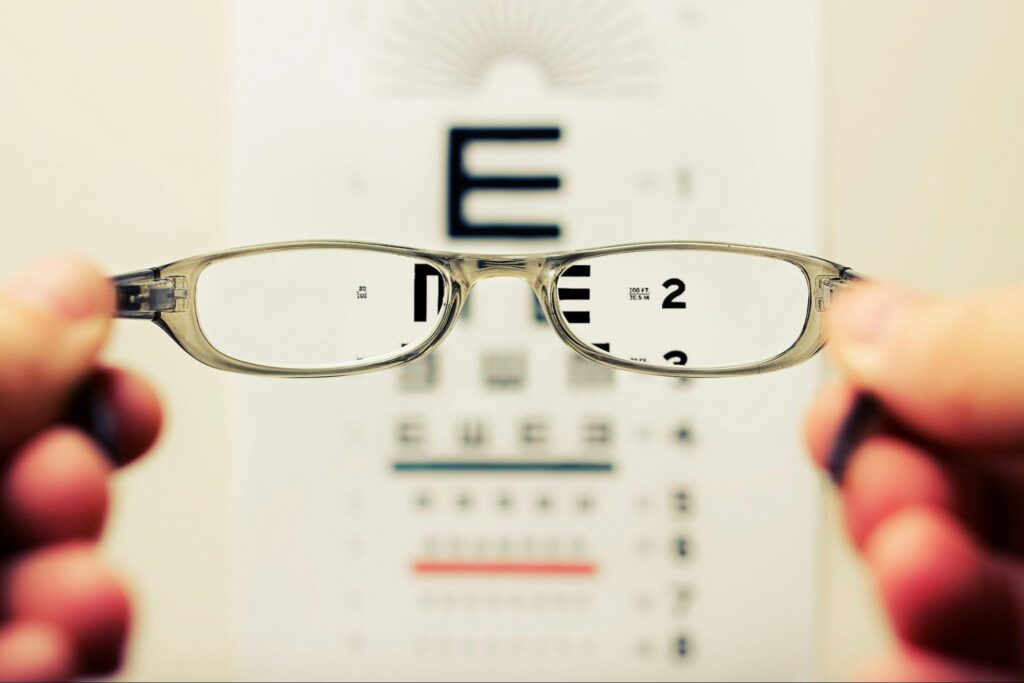
Prolonged screen exposure and the aging population are presenting more vision health challenges. It is no surprise that vision health is marching steadily into the limelight, as both scientific advancements and demographic shifts prompt renewed focus on maintaining our most important sense. This brings forth an imperative: how do we ensure the preservation and enhancement of vision health as we get older?
Aging and Vision Health
As the global population ages, more people face vision loss, an unfortunate but natural part of growing older. Eye diseases like cataracts, glaucoma, and age-related macular degeneration are becoming more common. These conditions necessitate early diagnosis and timely treatment to minimize the loss of sight. Regular comprehensive eye exams become indispensable as one ages. Blindness and diminished vision result in diminished quality of life; therefore, early and consistent check-ups bear exponentially positive outcomes.
The emotional aspect of vision loss cannot be overlooked. Seniors experiencing vision impairment may also encounter feelings of isolation or dependency, accentuating the importance of comprehensive eye health interventions. Support from families and communities can play a pivotal role in maintaining emotional well-being, encouraging active lifestyles that can further contribute to longer-lasting eye health benefits.
If you are seeking professional guidance, scheduling comprehensive eye exams at facilities renowned for personalized care, like those available at St. John Eye Care, could provide valuable insights.
Screen Time and Its Impact
The surge in digital devices signifies a profound change in how humans engage with the world and, consequently, how our eyes function. With more people now working from home, attending virtual schooling, and enjoying screen-driven entertainment, time spent in front of screens has never been higher. Prolonged exposure to screens can lead to dry eyes, increasing the risk of conditions such as myopia and digital eye strain. A decisive course of action is vital; allocating intentional screen breaks and maintaining optimal lighting conditions can mitigate some of these effects.
Moreover, it is pertinent to incorporate ergonomics into our digital usage. Proper screen positioning at eye level, a comfortable chair that supports posture, and adequate ambient light can significantly reduce the adverse impacts of extensive screen time. Augmenting environmental adjustments with the 20-20-20 rule—taking a 20-second break to look at something 20 feet away every 20 minutes—offers an effective, simple coping mechanism for digital eye fatigue.
Public Awareness and Health Policy
Public awareness campaigns and supportive health policies mark essential steps toward healthier vision outcomes. Educating the masses on prevention, signs, and symptoms of eye diseases enables society to take responsibility for this critical aspect of health. Furthermore, crafting and empowering policies to ensure eye care is included in national health agendas will translate into well-rounded community health improvements.
The collaboration between non-profits, governmental bodies, and private entities can reinforce the urgent message of vision preservation. Initiatives, offering subsidized eye tests, disseminating informative materials through digital platforms, and organizing community workshops, equip individuals with the resources and knowledge to proactively manage their eye health.
Role of Nutrition in Vision Health
Nutritional habits play a significant part in preserving eye health. Nutrients such as omega-3 fatty acids, vitamin C, vitamin E, and lutein serve as powerful allies in the fight against progressive vision impairment. Include green leafy vegetables, oily fish, and fresh fruits in your diet to feed your eyes with the nourishment they require. These nutrients help reduce the risk of chronic diseases, enhancing the overall health of the eyes.
Hydration, often overlooked, is an equally important factor when considering nutritional aspects of eye health. Proper fluid intake helps maintain optimal mucous membranes and tear production, assisting in eye lubrication and reducing the discomfort of dryness. Prioritizing adequate water consumption, combined with a balanced diet, supports overall physical health and contributes to combating sight-related problems.
Future of Vision Health Technology
Technological developments in eye care are promising a brighter future for those suffering from vision problems. Devices that measure intraocular pressure without discomfort, lenses that continuously adjust focus seamlessly as per varying distances, and even retinal imaging techniques that bypass discomfort associated with dilation are now gaining traction. Ensuring such technology is accessible and affordable should be a priority for healthcare systems globally.
Furthermore, artificial intelligence is making incredible strides in the field of vision health, offering predictive analyses on the likelihood of developing complex eye conditions. This advancement provides healthcare professionals with invaluable data, potentially enabling preemptive action, reducing the burden of vision-related problems, and opening doors to personalized treatments.
Wrapping Up
Vision health is indisputably important in this age. With technological innovations and attention to proactive, preventive habits, preserving and improving vision is well within our reach. It is indispensable to foster a culture that emphasizes eye health awareness to meet and counteract impending challenges. Vision is not only about seeing the world but about viewing the future with clarity. An informed and prepared approach will guide us in securing this essential component of human well-being.
Disclaimer: WellbeingDrive provides health information for educational purposes only. Do not use this content as a substitute for professional medical advice. Consult your doctor before making health related decisions.