
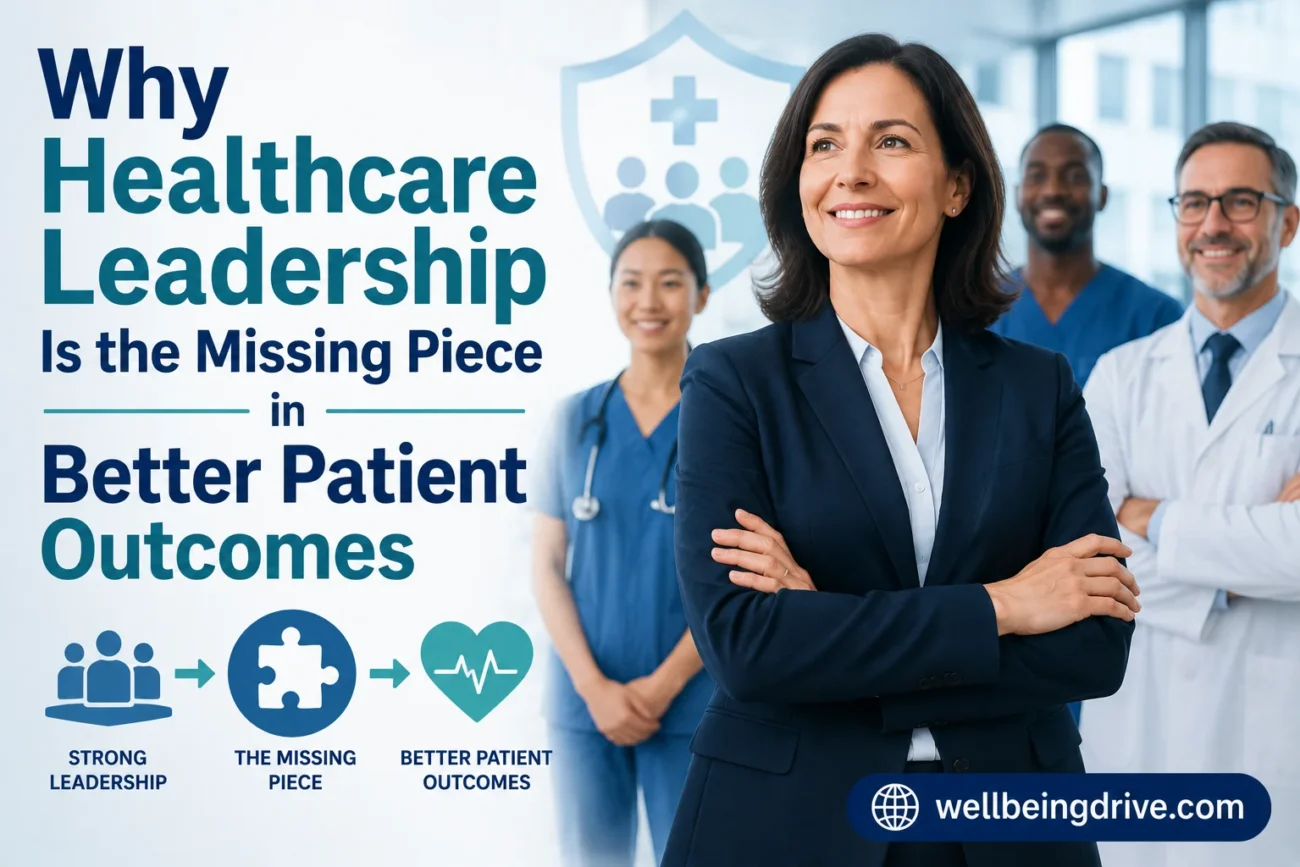
Healthcare organizations spend a great deal of time and money improving patient care. They invest in advanced technology, modern facilities, and highly trained medical professionals. While these efforts matter, they do not always guarantee better patient outcomes. Many healthcare organizations still struggle with communication issues, staffing challenges, and inconsistent patient experiences.
One factor often receives less attention than it deserves: leadership. Strong healthcare leaders help teams work effectively, make informed decisions, and create an environment where quality care can thrive. When leadership is strong, patients benefit from better coordination, improved safety, and a more positive healthcare experience.
The Connection Between Leadership and Patient Care
Healthcare leadership affects nearly every aspect of patient care. Leaders make decisions about staffing, policies, resources, and organizational priorities. These decisions influence how healthcare teams perform and how patients experience care.
Professionals who want to strengthen these leadership abilities often pursue advanced education. For example, the University of Southern Indiana offers an AACSB-accredited, fully online MBA concentration focused on Healthcare Administration. The program helps healthcare professionals develop leadership, strategic planning, risk management, and business decision-making skills. An online MBA healthcare administration program can provide valuable insight into the operational and leadership challenges healthcare organizations face every day.
Effective leadership creates a clear vision for healthcare teams. When employees understand expectations and goals, they can focus more effectively on delivering high-quality patient care.
Strong Leaders Build Better Healthcare Teams
Healthcare relies on teamwork. Physicians, nurses, technicians, administrators, and support staff must work together to achieve positive patient outcomes. Leadership plays a critical role in making that collaboration successful.
Improving Communication Across Departments
Poor communication remains one of the most common challenges in healthcare settings. Miscommunication can lead to delays, errors, and frustration for both patients and healthcare workers.
Effective leaders encourage open communication across departments. They create systems that allow information to move efficiently between teams. They also foster an environment where employees feel comfortable sharing concerns and asking questions.
When communication improves, patient care improves as well. Healthcare professionals can coordinate treatments more effectively, respond to patient needs faster, and reduce unnecessary complications.
Supporting Staff Performance and Engagement
Healthcare professionals often work in demanding environments. Long hours, heavy workloads, and emotional stress can affect performance and job satisfaction.
Strong leaders recognize these challenges and actively support their teams. They provide opportunities for growth, encourage professional development, and recognize employee contributions.
Employees who feel valued are often more engaged in their work. They tend to provide better service, communicate more effectively, and remain committed to delivering quality care. This positive work environment benefits both healthcare workers and patients.
Leadership Helps Healthcare Organizations Navigate Challenges
The healthcare industry continues to evolve. New technologies, changing regulations, and workforce shortages create ongoing challenges for organizations of all sizes.
Managing Change Effectively
Healthcare leaders must guide their organizations through constant change. Whether implementing new technology or adjusting to regulatory updates, leaders help teams adapt without compromising patient care.
Successful leaders communicate clearly during periods of change. They explain goals, address concerns, and provide the support employees need to adjust.
When organizations manage change effectively, they maintain stability and continue delivering quality care despite challenges.
Making Data-Driven Decisions
Modern healthcare generates large amounts of data. Leaders use this information to evaluate performance, identify trends, and improve outcomes.
Data can reveal opportunities to reduce wait times, improve patient satisfaction, and enhance operational efficiency. Strong leaders understand how to interpret this information and turn it into practical action.
At the same time, effective leaders remember that healthcare is about people. They balance operational goals with patient needs and ensure decisions support both organizational success and quality care.
Creating a Culture Focused on Patients
Organizational culture influences how healthcare employees interact with patients and each other. Leadership plays a major role in shaping that culture.
Encouraging Accountability and Trust
Healthcare organizations perform best when employees trust one another and take responsibility for their work.
Leaders help build trust by communicating honestly, acting consistently, and supporting their teams. They also establish accountability by setting clear expectations and addressing issues when they arise.
A culture built on trust and accountability encourages employees to focus on delivering the best possible care. Patients often notice the difference through better communication, greater professionalism, and a more positive overall experience.
Prioritizing Continuous Improvement
Healthcare organizations cannot afford to remain stagnant. Patient needs change, industry standards evolve, and new challenges emerge regularly.
Strong leaders encourage continuous improvement. They evaluate processes, gather feedback, and look for opportunities to enhance performance. Research from the National Institutes of Health confirms that effective communication among staff encourages teamwork, promotes continuity of care, and directly leads to better clinical outcomes.
This commitment to improvement helps organizations stay responsive to patient needs while maintaining high standards of care. Over time, these efforts contribute to stronger outcomes and greater patient satisfaction.
Effective leaders improve communication, strengthen teamwork, guide organizations through challenges, and create cultures that prioritize patients. Their decisions influence every level of care, from daily operations to long-term strategy.
When healthcare organizations invest in leadership development, they create stronger teams and better experiences for patients. In many cases, healthcare leadership is the missing piece that helps transform good care into exceptional care.
Disclaimer: WellbeingDrive provides health information for educational purposes only. Do not use this content as a substitute for professional medical advice. Consult your doctor before making health related decisions.